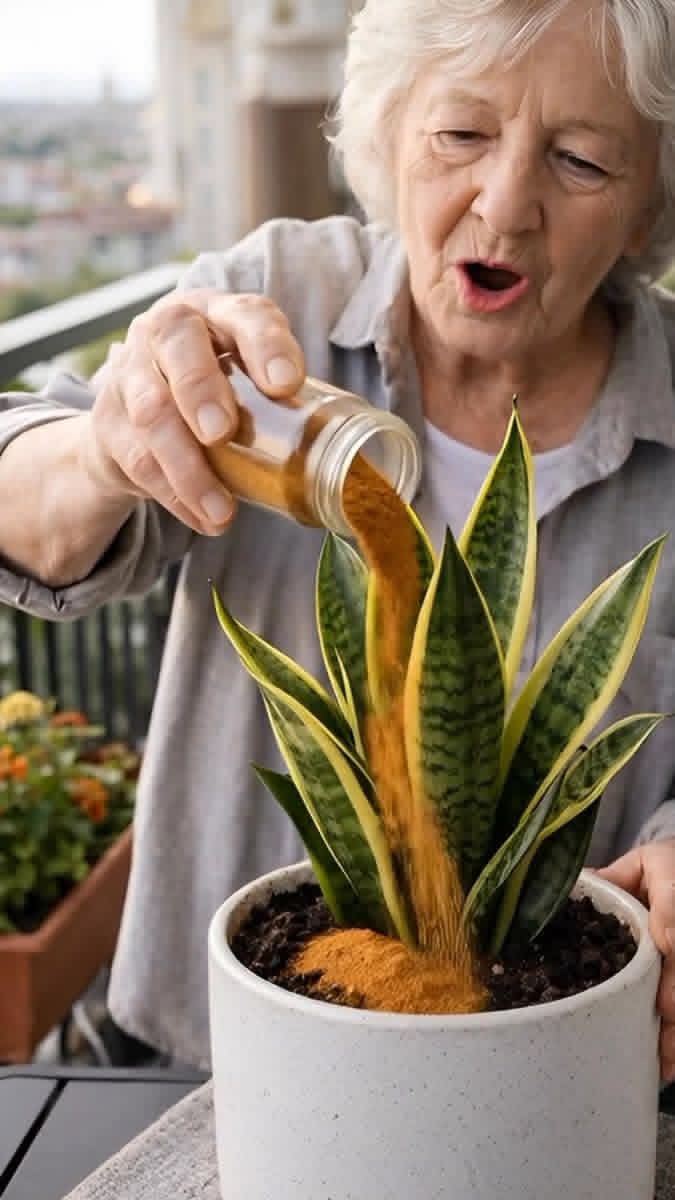
The Snake Plant (Sansevieria or Dracaena trifasciata) is an absolute superstar among indoor houseplants! Renowned for its dramatic upright foliage, air-purifying abilities, and remarkable resilience, it is the ultimate low-maintenance greenery for homes and offices alike 🌿✨. But did you know that pairing correct planting techniques with a simple kitchen staple—ground cinnamon—can supercharge your plant’s growth and protect its roots from fungal infection?
Pouring ground cinnamon into the soil or onto fresh cuts acts as a natural fungicide, anti-bacterial shield, and pest deterrent for your potted snake plants 🪵🪴! Let’s explore how to grow, pot, and care for this hardy succulent while using organic cinnamon tricks to keep it flourishing year-round!
🛒 Planting & Care Essentials at a Glance
Before setting up your pot, take a look at the essential components required for successful snake plant planting and cinnamon organic defense 📋✨.
| Category | Component / Tool | Purpose & Benefits |
|---|---|---|
| Plant Specimen 🌿 | Variegated Snake Plant (Sansevieria) | Tough, architectural indoor plant with yellow-bordered succulent leaves. |
| Potting Vessel 🏺 | Ceramic/Clay Pot with Drain Hole | Prevents standing water and root rot by allowing excess moisture to escape. |
| Soil Medium 🪴 | Cactus & Succulent Mix | Well-draining, gritty potting soil blended with perlite or coarse sand. |
| Organic Guard 🪵 | Pure Ground Cinnamon | Natural antifungal and antibacterial agent that prevents soil mold and heals cuts. |
| Watering Tool 💧 | Watering Can with Narrow Spout | Delivers precise moisture directly to the soil without trapping water in the leaf crown. |
👩🌾 Step-by-Step Planting & Cinnamon Care Guide
Follow this detailed breakdown to plant your snake plant correctly and utilize cinnamon to maintain healthy soil and roots 🪴✨!
Step 1: Prepare the Container & Soil Drainage 🏺
Choose a pot with drainage holes at the bottom. Fill the lower third of the pot with a well-draining succulent soil mix. Snake plants despise sitting in soggy soil, so ensuring high porosity is the key to preventing root damage.
Step 2: Position and Pot the Snake Plant 🌿
Center the snake plant root ball inside the container. Fill in the surrounding space with your potting mix until the plant stands firmly upright. Leave about 1 inch of space between the top of the soil line and the rim of the pot for easy watering.
Step 3: Apply the Cinnamon Organic Defense 🪵✨
As shown in the image, ground cinnamon is a fantastic organic soil enhancer:
- Soil Mold & Fungus Prevention: Lightly dust a thin layer of ground cinnamon over the topsoil around the base of the plant. Cinnamon contains natural antifungal compounds that stop soil mold from forming in humid or cool conditions.
- Protecting Pruned Edges: If you slice off damaged leaves or propagate cuttings, dip the exposed cut edges directly into ground cinnamon powder before planting. It seals the wound and prevents bacterial infections!
- Pest Deterrent: Dusting cinnamon across the soil surface discourages fungus gnats and ants from nesting in your potted plant.
Step 4: Watering and Light Requirements ☀️💧
Place your potted snake plant in a location with bright, indirect sunlight (though it tolerates low-light corners remarkably well!). Water sparsely—only when the soil has dried out completely from top to bottom. Overwatering is the single biggest mistake in snake plant care!
💡 Pro Tips for Long-Term Snake Plant Success
- Never Pour Water into the Leaf Crown: Always water around the base into the soil. Water trapped inside the central rosette leads to stem rot 💧.
- Repotting Frequency: Snake plants prefer being slightly root-bound! You only need to repot every 2 to 3 years when the roots begin bulging against the container edges.
- Cleaning the Leaves: Dust the leaves occasionally with a damp microfiber cloth so they can absorb light and purify indoor air efficiently 🌿✨.
Enjoy growing your vibrant, air-purifying snake plant with these easy organic care methods!