From Seasoning to Tender Perfection
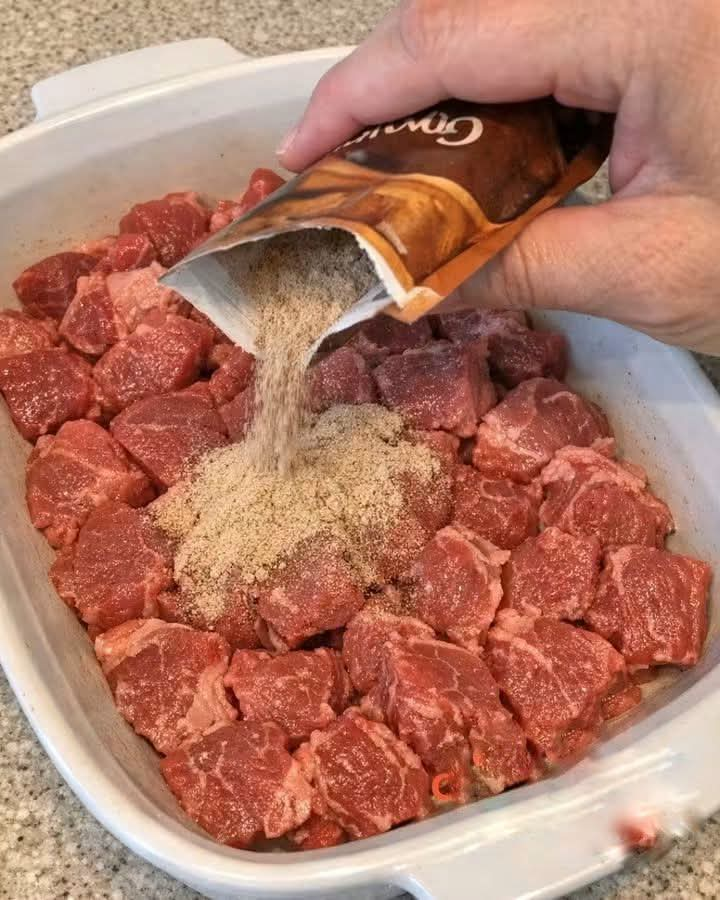
There are few culinary creations that embody the warmth, comfort, and nostalgia of a classic homemade pot roast. Whether gathered around the family table on a chilly autumn evening or preparing a hearty weekend feast, mastering the art of a slow-cooked beef roast is a milestone for any home cook. As demonstrated in the preparation phase, transforming simple, high-quality cuts of beef with the right savory seasoning packet sets the foundation for an unforgettable meal.
In this comprehensive guide, we will explore the anatomy of a great pot roast, the importance of seasoning blends, the mechanics of slow cooking, and how to achieve meat so tender it literally melts in your mouth.
1. Choosing the Right Cut of Beef
The secret to a successful pot roast lies in selecting a cut with enough connective tissue and marbling. Lean cuts of meat will dry out during long cooking processes, whereas tougher cuts thrive under extended heat.
- Chuck Roast (The Gold Standard): Cut from the shoulder of the cow, the chuck roast features an ideal distribution of fat and muscle fibers. As it cooks, the collagen melts down, infusing the meat with rich moisture and unmatched flavor.
- Brisket or Rump Roast: Excellent alternatives that absorb seasonings remarkably well and become wonderfully shreddable when given enough time to tenderize.
2. The Power of Seasoning and Flavor Profiles
As seen in the preparation stage, applying a rich seasoning mix directly over the raw beef creates an instant flavor base.
- The Role of Dry Seasoning Packets: Commercial or homemade pot roast seasoning blends—typically combining garlic powder, onion powder, dried herbs like thyme and rosemary, salt, and beef bouillon—draw out the natural juices of the meat while forming a savory crust.
- Layering Flavors: To elevate the dish further, pairing the seasoned beef with aromatics like peeled carrots, baby potatoes, onions, and fresh garlic creates a harmonious blend where the vegetables absorb the rich gravy as it reduces.
3. The Cooking Method: Slow and Low
The defining characteristic of a legendary pot roast is patience. Whether using a traditional Dutch oven in an oven heated to 300°F (150°C) or a modern electric slow cooker (Crockpot), the technique remains fundamentally the same.
- Sear vs. Direct Bake: While some chefs prefer searing the beef cubes or roast beforehand to lock in surface flavors, placing seasoned meat directly into the baking dish with a packet of savory seasoning and a splash of water or broth yields an equally succulent, deeply flavored result.
- The Breakdown Process: Cooking the beef slowly over 4 to 6 hours allows the tough muscle fibers to relax. The internal temperature breaks down the tough connective tissue (collagen) into gelatin, which naturally thickens the surrounding cooking juices into a rich gravy.
4. Serving and Presentation
Once the beef is fork-tender and falling apart effortlessly, presentation is key to turning a simple weeknight dinner into a feast.
- Shredding or Slicing: Depending on how the meat was cut, you can either slice it into thick, juicy slabs or shred it entirely to mix back into its own rich, savory sauce.
- Accompaniments: Serve hot alongside roasted root vegetables, buttery mashed potatoes, or crusty artisanal bread designed to soak up every last drop of the savory pan gravy.
By following these professional preparation techniques and respecting the magic of slow cooking, you can consistently deliver a restaurant-quality comfort food masterpiece right in your own kitchen!