Using Cinnamon
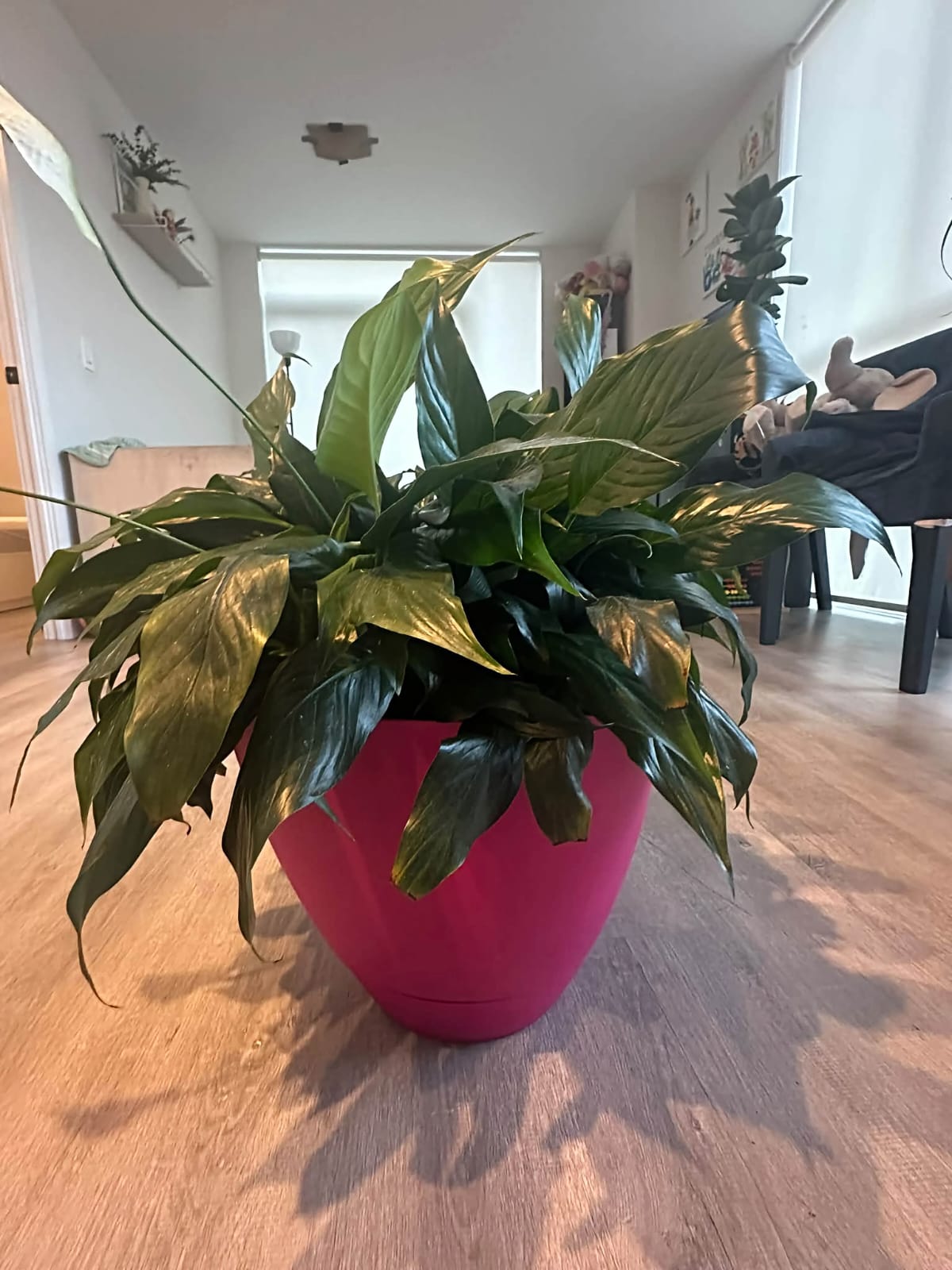
Sprinkling cinnamon on a peace lily (Spathiphyllum hybrids) is a popular, inexpensive home gardening technique used to protect houseplants from fungal issues, deter minor pests, and heal fresh cuts after pruning or division. Native to the humid, shaded floors of tropical rainforests in Central and South America, peace lilies prefer consistently moist soil—an environment that also makes them prone to surface mold, root rot, and fungus gnats indoors. Understanding what cinnamon actually does—and where its limits lie—helps you use it effectively without stressing your plant.
Why Gardeners Use Cinnamon on Peace Lilies
Culinary cinnamon comes from the inner bark of Cinnamomum trees and contains natural aromatic compounds, primarily cinnamaldehyde and eugenol. In indoor plant care, dry ground cinnamon is valued for three practical properties:
- Natural antifungal action: Cinnamaldehyde inhibits the growth of many common surface molds and damping-off fungi that thrive on damp potting soil.
- Wound sealing after pruning or division: Dusting fresh cuts on rhizomes, roots, or trimmed leaf stems helps dry the exposed tissue quickly and creates a mild antimicrobial barrier against pathogens.
- Mild pest deterrence: The strong scent and fine dry texture of cinnamon can discourage fungus gnats from laying eggs on the soil surface and help deter ants or crawling insects around the pot.
What Cinnamon Does Not Do
Despite exaggerated claims on social media, cinnamon is not a fertilizer and will not make a peace lily grow faster or produce white spathes (flowers) on its own. It contains negligible amounts of nitrogen, phosphorus, or potassium.
Furthermore, while cinnamon helps prevent surface mold and minor fungal spread, it cannot cure advanced root rot once roots have turned black and mushy. Severe root rot requires unpotting the plant, trimming away dead roots, and repotting into fresh, well-draining soil.
Choosing the Right Type of Cinnamon
Two main types of cinnamon are sold in grocery stores, and both can be used on plants, though with slight differences:
- Cassia cinnamon: The most common, inexpensive supermarket variety. It has a higher concentration of cinnamaldehyde, making it slightly stronger against surface fungi, though heavy buildup can cake on soil if overapplied.
- Ceylon cinnamon (“true” cinnamon): Milder, finer, and lower in coumarin. It works gently on delicate roots and rhizomes without forming a thick crust on the potting mix.
Whichever variety you use, choose pure ground cinnamon with no added sugar, nutmeg, or spice blends, as sugar feeds bacteria and attracts pests.
How to Safely Apply Cinnamon to a Peace Lily
Using cinnamon effectively comes down to light, targeted application rather than dumping heavy layers into the pot:
- To stop white surface mold on soil: Scrape off any thick fuzzy mold from the top layer of potting mix with a spoon, let the top inch of soil dry slightly, and dust a very light, even pinch of cinnamon across the surface—just enough to tint the soil lightly rather than form a solid brown blanket.
- To protect cut roots or divided clumps: When dividing an overcrowded peace lily or trimming off rotted root tips during repotting, pat the trimmed ends dry with a clean paper towel and dip or lightly dust the cut surfaces with ground cinnamon before planting in fresh mix.
- To discourage fungus gnats: Combine a light dusting of cinnamon on dry topsoil with bottom watering (allowing the plant to absorb water through the drainage holes) so the top layer stays drier and less inviting to gnats.
- As a diluted cinnamon water rinse (optional): Stir half a teaspoon of ground cinnamon into two cups of warm water, let it steep overnight, and strain it thoroughly through a coffee filter or fine cloth before pouring lightly over the soil. Always strain out solid powder so it does not clog soil pores.
Precautions and Potential Downsides
While cinnamon is generally safe for peace lilies, heavy-handed use can create minor issues:
- Soil crusting and water repellency: A thick layer of dry cinnamon powder repels water, causing moisture to pool on top or run down the sides of the pot without reaching the center of the root ball.
- Masking deeper care problems: White mold on peace lily soil is almost always a symptom of overwatering, poor drainage, or low airflow. Cinnamon clears the visible mold, but adjusting watering habits and increasing air circulation is what keeps it from returning.
- Pet safety note: Peace lilies themselves are toxic to cats and dogs if chewed due to insoluble calcium oxalate crystals, so keep the plant out of reach of pets regardless of whether cinnamon is applied.
Best Practices for a Thriving Peace Lily
Cinnamon is a handy, low-cost first aid tool for keeping peace lily soil clean, protecting divided rhizomes, and discouraging minor surface fungi. Paired with bright indirect light, filtered or room-temperature water applied when the top inch of soil feels dry, and an airy, well-draining potting mix, a light pinch of cinnamon helps keep your peace lily lush, glossy, and trouble-free.