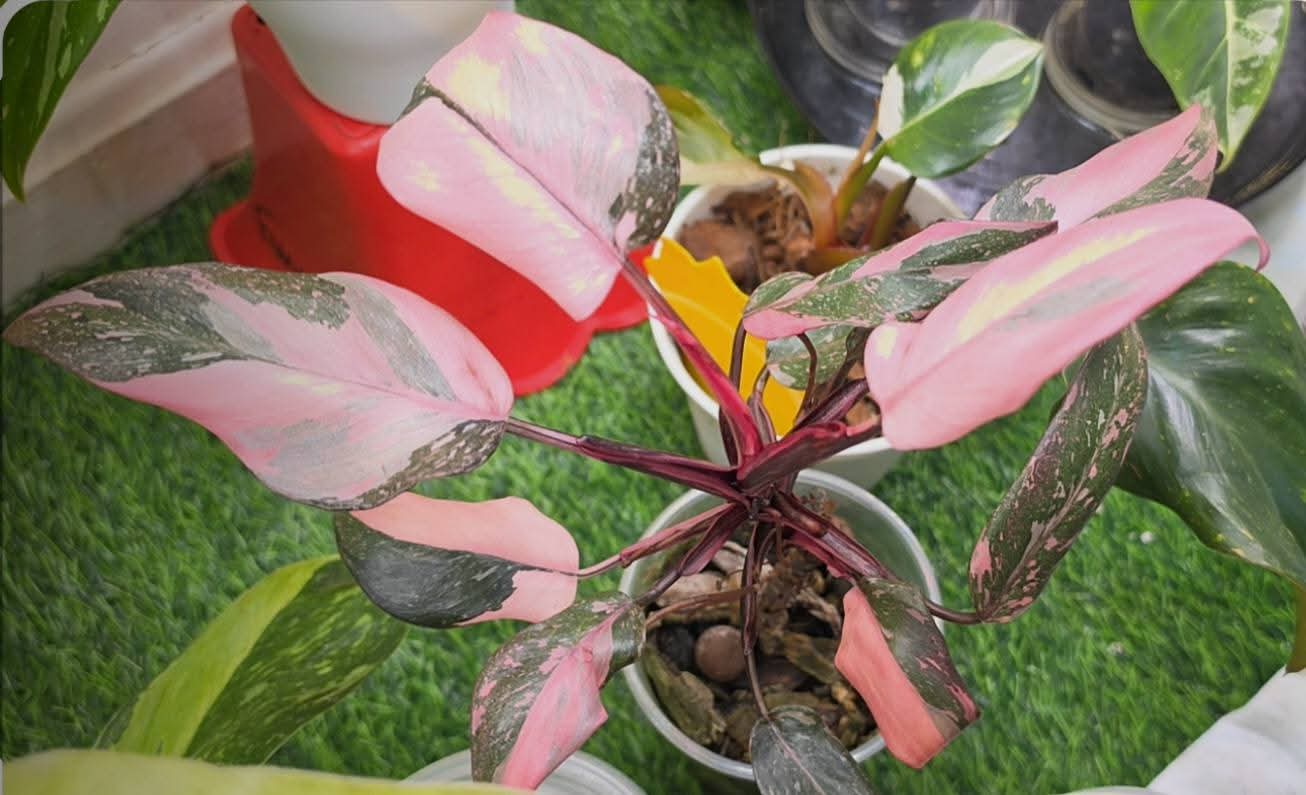
Using Banana Peels and Eggshells on a
Feeding a Pink Princess Philodendron (Philodendron erubescens ‘Pink Princess’) with homemade amendments made from banana peels and eggshells is a popular organic gardening approach. Known for its dark olive-green leaves splashed with vibrant bubblegum-pink variegation, this tropical aroid relies on balanced nutrition, airy soil, and steady root health to maintain strong stems and healthy variegated foliage. While banana peels and eggshells do contain useful minerals, applying them raw or improperly prepared to an indoor potted aroid can cause more trouble than benefit. Understanding how these kitchen scraps break down—and how to process them safely—lets you supplement your plant without risking root rot, pests, or pH imbalances.
What Banana Peels and Eggshells Provide
Banana peels and eggshells complement each other nutritionally, though their minerals become available at very different speeds:
- Banana peels (potassium and trace minerals): Dried or steeped banana skins supply potassium—which supports strong cell walls, water regulation, and overall stem sturdiness—along with small amounts of phosphorus, magnesium, and calcium.
- Eggshells (calcium carbonate): Eggshells are composed roughly of 95 percent calcium carbonate, which strengthens cell structure in new leaves and helps prevent distorted or weak emerging foliage.
- What is missing: Neither ingredient provides significant nitrogen—the primary nutrient philodendrons need for steady leaf production—nor do they supply essential micronutrients like iron or zinc in balanced ratios. Because of this, banana peels and eggshells work best as occasional mineral supplements alongside a complete, balanced houseplant fertilizer rather than a standalone feeding program.
Why Raw Scraps Fail in Indoor Aroid Pots
Tossing chopped banana peels or crushed eggshell pieces directly onto the soil of a potted Pink Princess Philodendron rarely works well indoors:
- Slow breakdown without outdoor soil life: Outdoor garden beds contain earthworms, beetles, and diverse fungi that break down shells and peels over months. Indoor chunky aroid mixes lack that ecosystem, so eggshell chunks sit inert in the pot for years without releasing meaningful calcium.
- Rotting peels and fungus gnats: Fresh banana peel breaks down rapidly in warm indoor rooms, turning slimy, releasing sour odors, depleting oxygen around sensitive aroid roots, and attracting fungus gnats and fruit flies.
- Soil pH shift: Overusing eggshells can gradually raise soil pH, making the potting mix too alkaline. Pink Princess Philodendrons prefer slightly acidic to neutral soil (around pH 5.5 to 6.5); overly alkaline conditions lock out iron and magnesium, causing pale or yellowing leaves.
- Effect on pink variegation: No homemade fertilizer—including banana peel or eggshell tea—can force a Pink Princess to produce more pink variegation. Variegation is genetic and controlled primarily by bright indirect light and the genetics of each stem node, though good nutrition keeps existing pink leaf sections healthy longer before browning.
Three Safe Ways to Prepare Banana Peels and Eggshells
If you want to use banana peels and eggshells on your Pink Princess Philodendron, processing them properly unlocks their minerals while keeping your potting mix clean and airy:
1. Finely Ground Powder Top-Dressing
- Clean and dry completely: Rinse empty eggshells thoroughly to remove egg white residue, and scrape off any inner fruit strings from organic banana peels. Bake both on a sheet pan at a low temperature (around 200°F or 95°C) for 20 to 30 minutes until brittle and completely dry.
- Grind into fine dust: Pulse the dried peels and shells in a clean coffee grinder or blender until they form a fine, flour-like powder. Fine particles break down far faster than coarse flakes.
- Apply sparingly: Scratch half a teaspoon to one teaspoon of the powder lightly into the top inch of potting mix once every two to three months during spring and summer, then water normally.
2. Mild Steeped Mineral Tea
- Steep dried peels and powdered shells: Place one dried, crushed banana peel and one teaspoon of finely powdered eggshell into a quart (about one liter) of warm water. Let the mixture steep for 24 to 48 hours, stirring occasionally.
- Strain thoroughly: Pour the liquid through a coffee filter or fine cloth so no solid pulp or grit remains.
- Dilute before watering: Mix the strained liquid with plain water at a 1:3 ratio (one part tea to three parts fresh water) and use it in place of a regular watering once every four to six weeks during active spring and summer growth.
3. Adding to Finished Compost or Worm Castings
The cleanest, most reliable way to use banana peels and eggshells is to compost them first or add them to a worm bin. Once fully decomposed into dark, crumbly compost or worm castings, you can mix a small handful into fresh chunky aroid potting mix during repotting without risking rot or gnats.
Care Tips to Keep Pink Princess Leaves Vibrant
To get the best growth and brightest variegation from your Pink Princess Philodendron, pair occasional mineral supplements with core aroid care:
- Chunky, fast-draining potting mix: Combine indoor potting soil with orchid bark, perlite, and coco coir so roots receive plenty of oxygen and never sit in soggy media.
- Bright, indirect light: Place the plant near an east-facing window or a few feet back from a bright south- or west-facing window to encourage strong pink variegation without scorching delicate pink tissue.
- Balanced seasonal feeding: Use a complete, diluted liquid houseplant fertilizer containing nitrogen, phosphorus, potassium, and trace minerals every three to four weeks in spring and summer, tapering off in fall and winter.
When dried, finely ground, or cleanly steeped and diluted, banana peels and eggshells provide a gentle, zero-waste boost of potassium and calcium that supports sturdy stems and healthy foliage on a Pink Princess Philodendron.