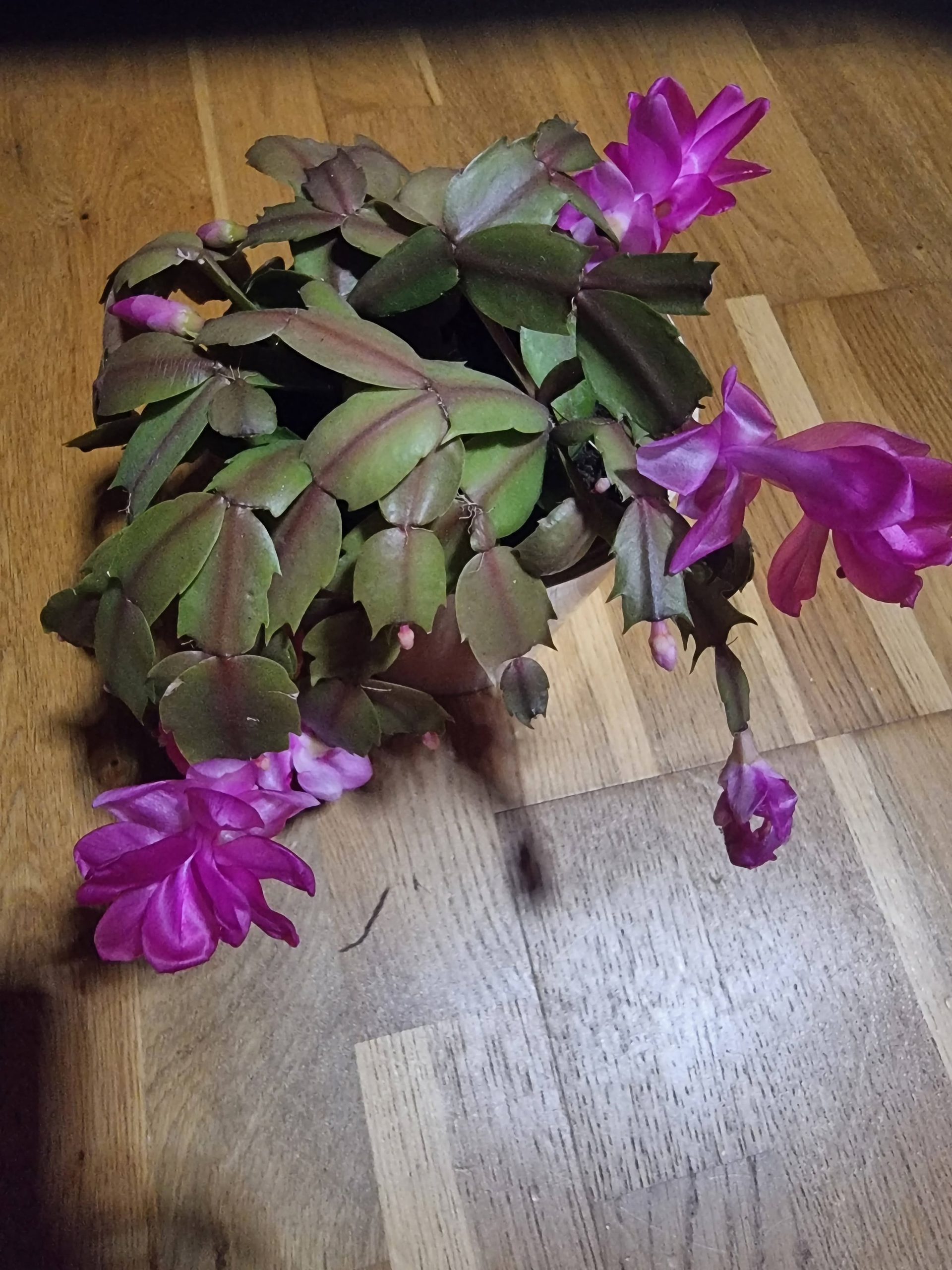
Using Garlic on a Christmas Cactus:
Using garlic on a Christmas cactus (Schlumbergera hybrids) is a popular home gardening hack often shared for pest control, fungal prevention, and general plant vitality. Unlike desert cacti that thrive in parched, sandy soil, Christmas cacti are epiphytic tropical plants native to the humid coastal mountains of southeastern Brazil. Because they grow in mossy tree branches and airy leaf litter, their root systems are sensitive to heavy organic residue, stagnant moisture, and strong chemical concentrations. Knowing what garlic actually does—and how to apply it without harming delicate epiphytic roots—keeps your plant healthy, pest-free, and blooming reliably.
Why Gardeners Use Garlic on Christmas Cacti
Garlic contains sulfur-rich organic compounds, most notably allicin, which forms when raw cloves are crushed or chopped. In indoor gardening, diluted garlic preparations are typically used for two main reasons:
- Natural pest deterrent: The strong sulfur aroma and bioactive compounds in garlic can help repel or disrupt soft-bodied houseplant pests such as fungus gnats, spider mites, aphids, and mealybugs.
- Mild antifungal and antibacterial support: Allicin has documented antimicrobial properties that may help discourage minor surface mold or fungal spores on damp potting media when used lightly and cleanly.
What Garlic Does Not Do
Despite viral gardening claims, garlic is not a complete fertilizer and will not directly force a Christmas cactus to produce flower buds. While garlic contains trace amounts of sulfur, potassium, and micronutrients, these levels are far too small to replace balanced plant nutrition.
True Christmas cactus blooming depends on environmental cues—specifically cool night temperatures (around 50–60°F or 10–15°C) and long, uninterrupted dark periods (12 to 14 hours per night) for several weeks in autumn—combined with bright indirect light and consistent, moderate moisture. Relying on garlic water instead of proper light and temperature cycles will not trigger blooms.
Risks of Putting Raw Garlic Directly in the Pot
Burying whole garlic cloves, scattering chopped garlic on the soil surface, or pouring thick, unstrained garlic paste onto a Christmas cactus often causes more harm than good:
- Rotting and foul odors: Raw garlic pieces buried in damp bark or peat mixes decompose rapidly, releasing strong sulfur smells indoors and feeding anaerobic bacteria.
- Fungus gnat attraction: Ironically, decaying garlic tissue on top of moist potting mix becomes a food source for fungus gnat larvae rather than repelling them.
- Root burn and stress: Undiluted or heavily concentrated garlic juice can irritate fine, fibrous epiphytic roots and disrupt beneficial soil microbes.
- Leaf spotting: Spraying thick garlic liquid onto segmented stems in bright light can leave sticky residue or cause minor tissue burn on tender new growth.
How to Safely Make and Use Garlic Water or Spray
If you want to use garlic as a gentle, natural pest deterrent on your Christmas cactus, stick to a clean, well-strained, and heavily diluted infusion:
- Crush and steep a small amount: Crush one or two peeled garlic cloves and steep them in two cups of warm water for 12 to 24 hours.
- Strain thoroughly: Pour the liquid through a fine mesh strainer, cheesecloth, or coffee filter so zero solid garlic bits remain. Solids left behind will rot in the potting mix.
- Dilute before applying: Mix the strained garlic infusion with plain water at a 1:3 or 1:4 ratio (one part garlic water to three or four parts fresh water).
- Choose the right application method:
- For surface pests (like fungus gnats): Use the diluted liquid as a light soil drench only when the top inch of potting mix is dry, allowing excess water to drain completely out the bottom of the pot.
- For foliage pests (like spider mites or aphids): Pour the diluted liquid into a clean spray bottle and lightly mist the segmented stems, avoiding open flower buds, which can spot or drop early when sprayed.
- Test first and limit frequency: Test a small stem section first and wait 24 hours to check for sensitivity. Apply no more than once every two to three weeks during an active pest issue, rather than using garlic water as a routine weekly watering replacement.
Better Alternatives for Persistent Pests and Strong Blooms
If your Christmas cactus has an established mealybug or spider mite infestation, diluted garlic spray alone rarely eliminates eggs and hidden pests inside stem joints. Wiping visible insects with a cotton swab dipped in 70 percent isopropyl alcohol, rinsing foliage with lukewarm water, or using insecticidal soap provides much faster, cleaner control.
For vigorous growth and abundant holiday flowers, focus on an airy epiphytic potting mix (such as orchid bark, perlite, and coco coir), bright indirect sunlight, even moisture without waterlogged roots, and a weak balanced fertilizer during spring and summer. Used occasionally as a clean, diluted rinse or spray, garlic can play a helpful supporting role in keeping pests away without compromising your plant’s delicate root system.