🌿
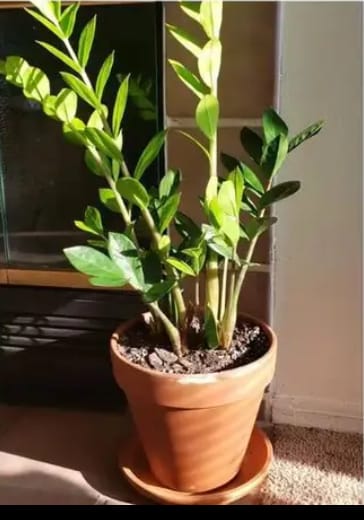
With its glossy leaves and upright stems, the ZZ plant (Zamioculcas zamiifolia) brings a distinctive look to an indoor garden. It also stores water in underground rhizomes, making careful watering an important part of its care.[1]
But what about the brown powder sometimes shown being sprinkled around houseplants? Without a label, ingredient list, or preparation method, it cannot be reliably identified. Its color alone does not establish whether it is fertilizer, a kitchen ingredient, or a soil amendment.
🔎 What Could the Brown Powder Be?
Several substances can have a similar appearance. The examples below are possibilities—not an identification of a particular powder.
| Possible substance | What it is | What to verify |
|---|---|---|
| Ground cinnamon | A powdered spice | Do not assume it is a fertilizer or a proven treatment |
| Coffee grounds | Ground coffee material, either fresh or used | Appearance does not establish a suitable application rate |
| Powdered fertilizer | A manufactured nutrient product | Check ingredients, plant suitability, and directions |
| A soil amendment | A material intended to change properties of a growing medium | Identify its purpose before adding it |
| An unknown mixture | A substance without a reliable label or recipe | Leave it out of the pot until identified |
There is no universal “brown powder treatment” for ZZ plants. A recommendation must depend on the actual substance, not how it looks.
🌱 If It Is Fertilizer, Read the Instructions First
A suitable houseplant fertilizer can support ZZ plant growth during its active growing period. However, extra feeding is not automatically beneficial: excessive fertilizer can damage houseplants, particularly when they are growing slowly.[1][2]
Before applying a powdered product:
- Confirm that it is intended for houseplants.
- Check whether it must be dissolved before use.
- Measure the specified amount rather than sprinkling by eye.
- Account for fertilizer already included in the potting mix.
- Follow the recommended interval between applications.
A powder designed to be diluted in water should not be treated as a product intended for direct application. Follow the instructions for that specific formulation.
💧 Check Watering Before Adding Anything
ZZ plants tolerate periods of dryness thanks to their water-storing rhizomes. Allow the potting mix to dry between waterings, and avoid keeping the root zone continuously wet.[1]
If your plant is struggling, investigate its growing conditions before assuming it needs another ingredient.
| What you notice | What to check first |
|---|---|
| Potting mix stays wet | Watering frequency, drainage, and container size |
| Water collects inside an outer planter | Whether runoff is being emptied |
| Slow growth | Light conditions and the plant’s current growth activity |
| Changes after applying a product | Product identity, amount, and application instructions |
A pot that is too large can retain moisture for too long, increasing the risk of poor growth or root rot. Adding powder does not address that underlying problem.[3]
☀️ Support Growth with Suitable Light
ZZ plants tolerate low-light conditions but perform best in bright, indirect light. Surviving a dim corner is not the same as receiving ideal conditions for growth.[1]
Before using a powder advertised as a growth booster, review where the plant sits. An additional product cannot replace a suitable growing environment.
🪴 Keep the Root Environment Well Drained
Use a freely draining potting medium and a container with drainage holes. After watering, let excess water escape and avoid leaving the growing pot standing in collected runoff.[1][4]
| Care factor | Practical approach |
|---|---|
| Light | Bright, indirect light |
| Watering | Let the potting mix dry between waterings |
| Growing medium | Well-draining |
| Container | Drainage holes and no standing runoff |
| Feeding | An appropriate, identified product used as directed |
| Unknown brown powder | Do not apply until its identity is confirmed |
These basics provide a reliable foundation for ZZ plant care without relying on an unexplained additive.[1][4]
📋 Before You Sprinkle: A Quick Checklist
Ask these questions before adding any powder:
- Do I know its exact name and ingredients?
- Is it labeled for the intended use?
- Does it need dilution or preparation?
- Do I know the correct application rate?
- Is there a clear reason my plant needs it?
If those details are missing, pause rather than guess. Claims about stronger roots, disease prevention, or faster growth require evidence for the specific substance.
🌿 Thoughtful Care Comes Before Extra Products
Brown powder is not an ingredient name, and it is not enough information to establish a safe dosage or promise a benefit.
Start with suitable light, careful watering, and effective drainage. Consider additional products only when you know what they contain, what they are intended to do, and how to apply them.
Explore our website for more practical houseplant guides and indoor gardening inspiration. Support our growing community by sharing this article with a fellow plant lover.