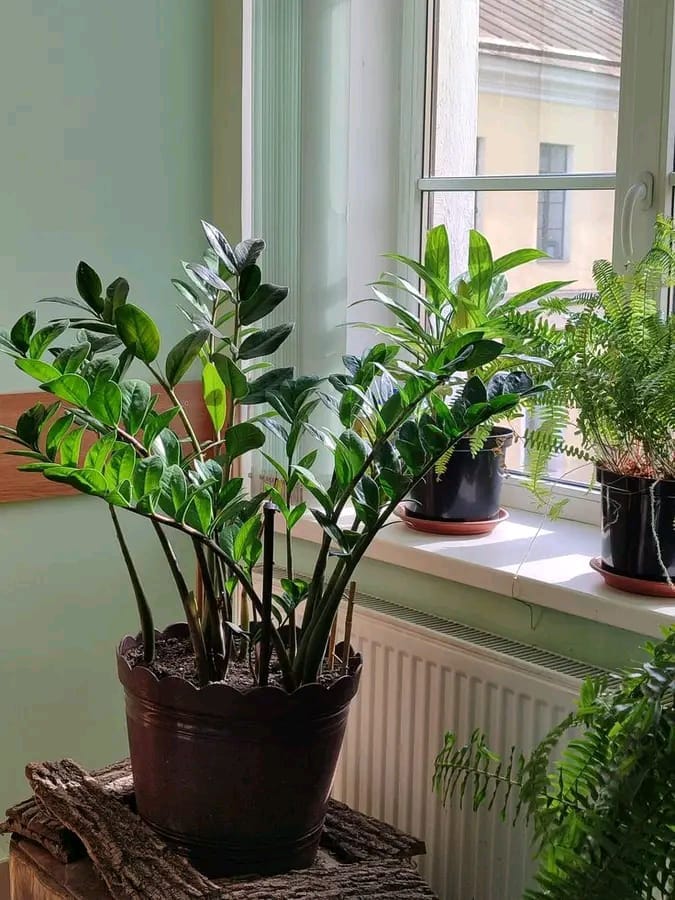
Pink granules
🌿
Pink granules may look like a special plant food, but their color does not reveal their ingredients or purpose. Before adding them to your ZZ plant, identify the product and read its instructions.
Without a label or ingredient list, it is not possible to confirm whether the granules are fertilizer, another gardening product, or something unsuitable for the pot.
🔎 What Could the Pink Granules Be?
Several products can have a similar appearance. These are possibilities—not an identification of the granules you have in mind.
| Possible product | What to verify |
|---|---|
| Granular fertilizer | Nutrient content, plant suitability, and application rate |
| Controlled-release fertilizer | Release duration and recommended reapplication interval |
| Decorative material | Whether it is intended for use around living plants |
| Another gardening product | Its exact purpose and permitted uses |
| An unidentified mixture | Do not apply until its identity is confirmed |
Do not assume pink granules are interchangeable with another fertilizer you have used. Their appearance cannot establish the correct dose.
🌱 If They Are Fertilizer, How Should You Use Them?
An appropriate houseplant fertilizer can support ZZ plant growth during its active growing period. However, excessive fertilizer can damage houseplants, especially when growth is slow. More granules are not a shortcut to a healthier plant.[1][2]
Before Applying Them
- Confirm that the product is suitable for houseplants.
- Check whether it should be surface-applied, mixed into the growing medium, or dissolved.
- Measure the amount specified for your container.
- Check whether the potting mix already contains fertilizer.
- Follow the label’s reapplication interval.
There is no reliable “one teaspoon per pot” rule for unidentified granules. A recommendation requires the actual product instructions.
💧 Review Watering Before Adding Plant Food
ZZ plants store water in underground rhizomes and tolerate periods of dryness. Allow the potting mix to dry between waterings, and avoid keeping it continuously wet.[1]
If your plant is struggling, investigate its growing conditions before assuming it needs fertilizer.
| What to check | Why it matters |
|---|---|
| Soil moisture | Persistently wet conditions can threaten root health |
| Drainage holes | Excess water needs a way to escape |
| Outer planter or saucer | Collected runoff should not surround the growing pot |
| Container size | An oversized pot can keep the mix wet for too long |
Poor drainage and excessive moisture are problems that additional fertilizer will not correct.[1][3][4]
☀️ Give Your ZZ Plant Suitable Light
ZZ plants tolerate low light but perform best in bright, indirect light. Their ability to survive in a dim corner does not mean those conditions produce the strongest growth.[1]
Before trying pink granules advertised as a growth booster, review the plant’s location and overall care. Fertilizer should support suitable conditions, not replace them.
📋 ZZ Plant Care at a Glance
| Care factor | Recommended starting point |
|---|---|
| Light | Bright, indirect light |
| Watering | Allow the mix to dry between waterings |
| Potting medium | Well-draining |
| Container | Drainage holes; no standing runoff |
| Feeding | A suitable, identified product used as directed |
| Unknown pink granules | Identify them before application |
These growing recommendations follow University of Illinois Extension guidance.[1][3]
🌿 Read the Label Before You Sprinkle
Pink is a color—not a nutrient formula. Until the product is identified, its benefits, application rate, and suitability for your ZZ plant remain unknown.
Start with suitable light, careful watering, and effective drainage. Add fertilizer only when you know what it contains and how its instructions apply to your plant.
Explore our website for more practical houseplant guides and indoor gardening inspiration. Support our growing community by sharing this article with a fellow plant lover.