The Black Liquid Organic Fertilizer
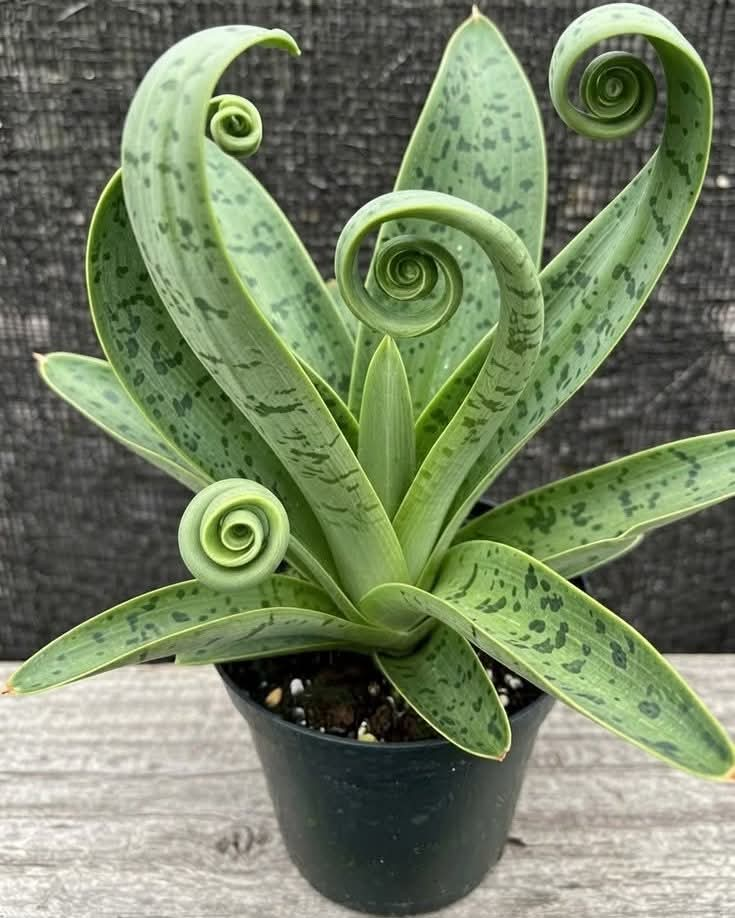
If you want to transform an exotic succulent bulb like the Corkscrew Albuca (Albuca spiralis / Albuca concordiana / spotted spiral succulent)—like the striking specimen showing thick, leopard-spotted foliage curling into tight, sculptural coils in the nursery pot above—upgrading your feeding routine with a black liquid organic fertilizer (rich humic & worm-casting extract) paired with slow-release white fertilizer granules is the ultimate secret. This targeted dual-feeding protocol delivers the exact trace minerals and structural nutrition needed to keep foliage fleshy, sharpen dark-green spotting, and encourage tight, dramatic spirals rather than limp, uncurled leaves.
Understanding Spiral Succulents: Why Balanced Mineral & Organic Feeding Matters
Native to the arid, rocky slopes of South Africa, spiral-leaved succulents store water and energy in an underground bulb while relying on bright sunlight and mineral-rich, fast-draining soil to curl their leaf tips into tight ringlets.
Because these plants grow from a sensitive bulb set in gritty, perlite-heavy potting mix, harsh chemical liquid fertilizers can easily burn the roots or push overly fast, watery growth that causes the leaves to stretch out straight and lose their signature curls. Pairing black liquid organic fertilizer with slow-release white granules feeds the bulb cleanly and steadily without salt buildup.
Why Black Liquid Fertilizer + White Granules Transform Spiral Foliage
Combining a diluted black organic liquid drench with controlled-release mineral granules creates a two-stage feeding system that supports both bulb strength and tight leaf coiling:
- Black Liquid Organic Fertilizer (Humic Acid / Liquid Worm Castings): Applying a diluted black liquid fertilizer made from humic acid, liquid seaweed, or dark earthworm casting extract enriches gritty succulent soil with natural humic substances and chelated micronutrients. These dark organic compounds improve nutrient absorption around the bulb, deepen the contrast of the dark green leopard spots across the broad blades, and build resilient cell walls without forcing weak, leggy growth.
- Slow-Release White Granules: Top-dressing the perlite-rich soil surface with balanced white slow-release granules provides a steady, micro-dosed trickle of potassium and phosphorus with every watering. Potassium regulates water pressure inside the succulent leaves—giving them the firmness and structural tension needed to coil tightly at the tips.
- Bulb-Safe Synergy: Together, this gentle organic liquid and controlled-release granule routine prevents fertilizer shock, protecting the underground bulb from rot while keeping the rosette compact and vibrant.
How to Mix & Apply Your Black Liquid Fertilizer Drench
Because succulent bulbs hate soggy soil, proper dilution and timing are essential:
- Dilute to a Tea-Colored Liquid: Mix 1 teaspoon of concentrated black liquid organic fertilizer (liquid humic acid, kelp extract, or worm casting concentrate) into 1 quart (or 1/2 gallon) of dechlorinated water until the solution looks like weak black tea. Keeping the mixture mild prevents mineral buildup in small nursery pots.
- Apply Only During Active Growth: Use your black liquid drench once a month during the plant’s active growing season (typically autumn through spring for winter-growing Albuca species, or spring through summer for warm-season spiral succulents). Pause all feeding when the plant goes dormant.
- Drench and Drain Thoroughly: Pour the diluted black liquid slowly around the base of the bulb—avoiding pooling water directly inside the tight center rosette—until it runs freely through the drainage holes at the bottom of the pot.
Step-by-Step Care & Feeding Guide for Tight, Healthy Spirals
- Top-Dress with White Granules: At the start of the active growing season, scatter 1/2 teaspoon of slow-release white fertilizer granules evenly over the gritty, well-draining potting mix around the outer edge of the pot. One application feeds steadily for 3 to 4 months.
- Monthly Black Liquid Drench: Replace one regular watering per month during active growth with your diluted black liquid organic fertilizer to replenish trace minerals and keep the spotted foliage thick and glossy.
- Give Maximum Bright Light: Bright, direct sunlight (at least 4 to 6 hours of morning sun or strong grow lights) is the #1 partner to proper nutrition—light triggers the cellular tension that makes the leaf tips curl into tight, spring-like spirals.
- Master the Soak-and-Dry Rhythm: Water deeply only after the fast-draining, perlite-amended soil has dried out completely. If the plant naturally drops its leaves to enter summer dormancy, cut back watering until new green shoots emerge.
Troubleshooting Common Spiral Succulent Issues
- Leaves Growing Straight Instead of Curling: Uncurled, floppy leaves happen when the plant receives too little direct sunlight, too much water, or excessive high-nitrogen fertilizer. Move it to a sunnier window, let the soil dry fully between waterings, and stick to low-dose potassium-rich white granules and diluted black liquid fertilizer.
- Brown, Crispy Leaf Tips: Slight browning at the very tips of older leaves is normal as the plant matures, especially near the end of its growing cycle before dormancy. Avoid over-concentrating fertilizers and ensure excess water always drains freely.
- Soft or Yellowing Base: Signals overwatering or water trapped inside the leaf crown. Always water directly onto the soil edge rather than pouring over the leaves, and keep the bulb nestled in an airy, fast-draining succulent mix.