The Epsom Salt White Liquid
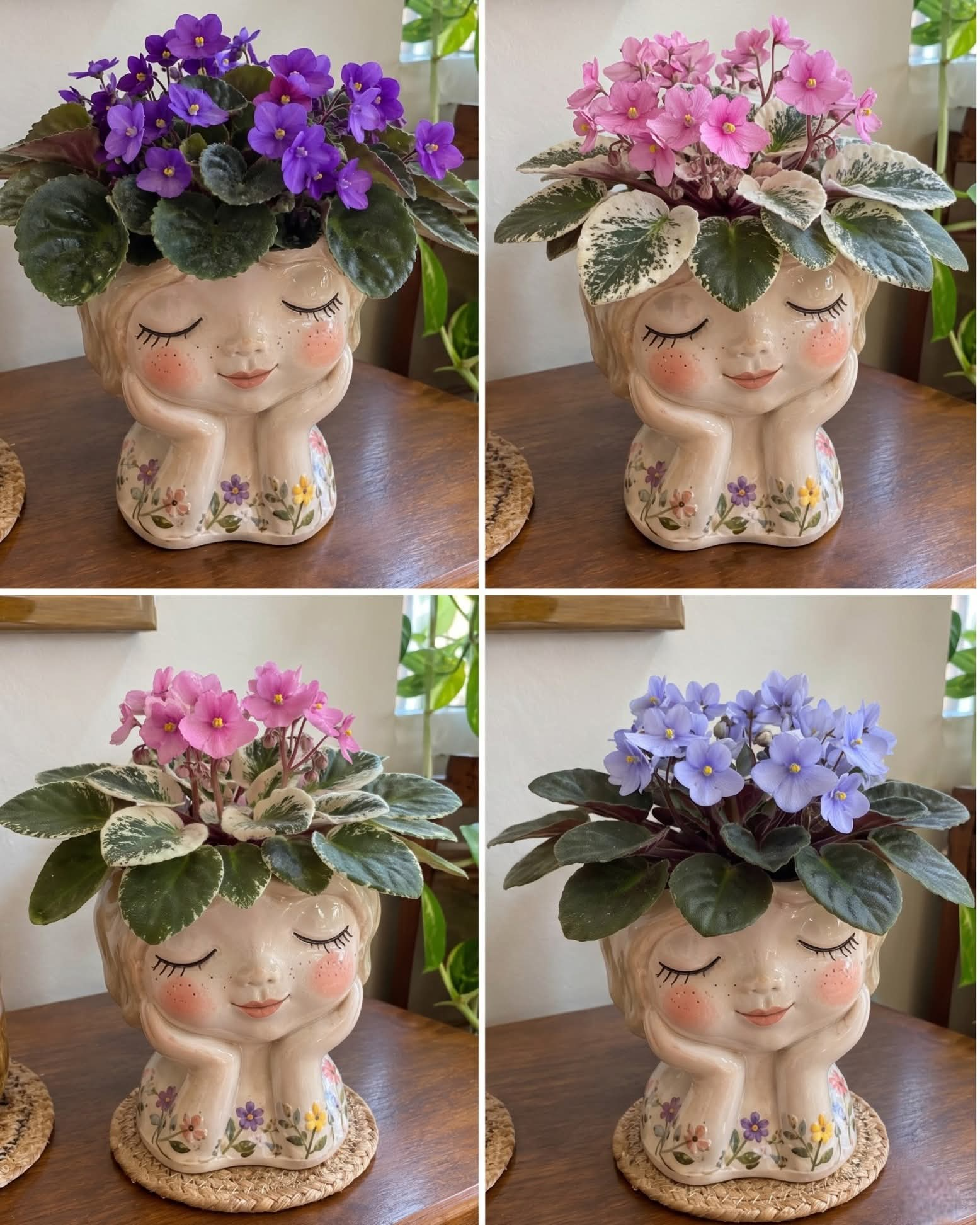
If you want to transform indoor African Violets (Saintpaulia)—like the charming collection of deep purple, soft pink, and periwinkle-blue bloomers nestled inside whimsical face planters with lush green and variegated rosettes above—into continuous, bouquet-style bloomers, upgrading your watering routine with a gentle mineral drench is the ultimate secret. Pairing a white liquid drench (dissolved pharmaceutical-grade Epsom salt) with slow-release white fertilizer granules provides the exact mineral nutrition needed to deepen velvet leaf colors, sharpen creamy leaf variegation, and trigger nonstop clusters of vibrant flowers.
Understanding African Violets: Why Gentle Mineral Feeding Matters
Native to the misty, shaded mountain slopes of Tanzania and Kenya, African Violets grow in shallow pockets of rich, airy humus tucked into mossy rocks. Because they have very fine, delicate root systems and fuzzy, water-sensitive leaves, harsh chemical liquid fertilizers can easily cause root burn, crusty salt rings on the soil, and stalled blooming.
The Dual-Mineral White Liquid & Granule Protocol delivers clean, non-burning nutrition that mimics the gentle mineral balance of mountain rainwater—keeping the fuzzy rosettes compact and energizing constant flower crowns right at the center of the plant.
Why This Epsom Salt Protocol Transforms African Violets
Combining a monthly magnesium-sulfur drench with controlled-release mineral granules creates a balanced two-stage feeding system that supports both lush foliage and vibrant blossoms:
- The White Liquid Drench (Epsom Salt): Dissolving pure pharmaceutical-grade Epsom salt (\text{MgSO}_4) into lukewarm water supplies readily available magnesium and sulfur without adding heavy chemical salts. Magnesium is the central building block of chlorophyll—keeping solid green leaves rich emerald and making variegated white-and-green foliage crisp and vivid. Meanwhile, sulfur strengthens plant cell walls and boosts nutrient uptake so flower stems rise proudly above the foliage without drooping.
- Slow-Release White Granules: Top-dressing the potting mix with balanced white slow-release granules ensures a steady, micro-dosed supply of phosphorus and potassium with every watering. Phosphorus is the primary driver of bud initiation, fueling dense, multi-tiered clusters of purple, pink, and lavender-blue blossoms all year long.
- Delicate-Root Synergy: Together, this gentle liquid and controlled-release granule routine prevents fertilizer shock, keeping both the fine roots and velvety leaves healthy, firm, and vibrant.
How to Mix & Apply Your White Liquid Epsom Salt Drench
Because African Violets have compact root balls and fuzzy leaves, precision and proper watering technique are essential:
- Mix the Exact Ratio: Dissolve 1/2 teaspoon of pure, unscented pharmaceutical-grade Epsom salt into 1 gallon of lukewarm, dechlorinated water (or 1/8 teaspoon per quart). Always use room-temperature or slightly warm water—cold water shocks African Violet roots and leaves.
- Water from the Bottom (or Beneath the Leaves): Never pour liquid directly over the fuzzy crown or leaves, as trapped water droplets cause brown spots and crown rot. Either set the inner nursery pot in a shallow saucer of your white liquid solution for 15–20 minutes until the soil wicks it up, or use a narrow-spout watering can to pour directly onto the soil underneath the lower leaves.
- Drain Excess Liquid: Always lift the inner pot out of decorative ceramic planters to let excess liquid drain completely before placing it back inside—African Violets never want to sit in stagnant water.
Step-by-Step Care & Feeding Guide for Continuous Blooms
- Top-Dress with White Granules: At the start of spring, scatter 1/4 to 1/2 teaspoon of slow-release white fertilizer granules evenly over the light, peat-and-perlite potting mix surface around the outer edge of the pot, keeping granules away from the central crown. Reapply every three to four months.
- Monthly White Liquid Drench: Once a month throughout spring, summer, and early autumn, use your diluted Epsom salt white liquid in place of a regular watering to recharge magnesium levels and sustain heavy flowering.
- Bright, Indirect Window Light: Place your African Violets near an east- or north-facing window with plenty of bright, filtered daylight. Consistent indirect light is the #1 trigger for keeping the center crown packed with fresh flower buds, while harsh direct afternoon sun can scorch the fuzzy leaves.
- Maintain Warmth & Gentle Humidity: Keep your plants in comfortable room temperatures (65°F to 75°F / 18°C to 24°C) away from cold window drafts, and brush dust gently off the fuzzy leaves with a soft dry paintbrush so they can absorb light efficiently.
Troubleshooting Common African Violet Issues
- Lush Leaves with No Flowers: This usually indicates insufficient bright indirect light or a lack of phosphorus. Move the planter closer to a bright window and ensure slow-release white granules are active in the soil.
- Pale or Yellowing Lower Leaves: Older outer leaves naturally age over time, but widespread paling often signals a magnesium deficiency—a monthly dose of white liquid Epsom salt drench quickly restores deep green color.
- Brown Spots or Rings on Leaves: Caused by cold water touching the velvety foliage or direct midday sun rays. Always use lukewarm water directly at the soil line and stick to bright, filtered light.