The Brown Liquid Coffee Compost Tea
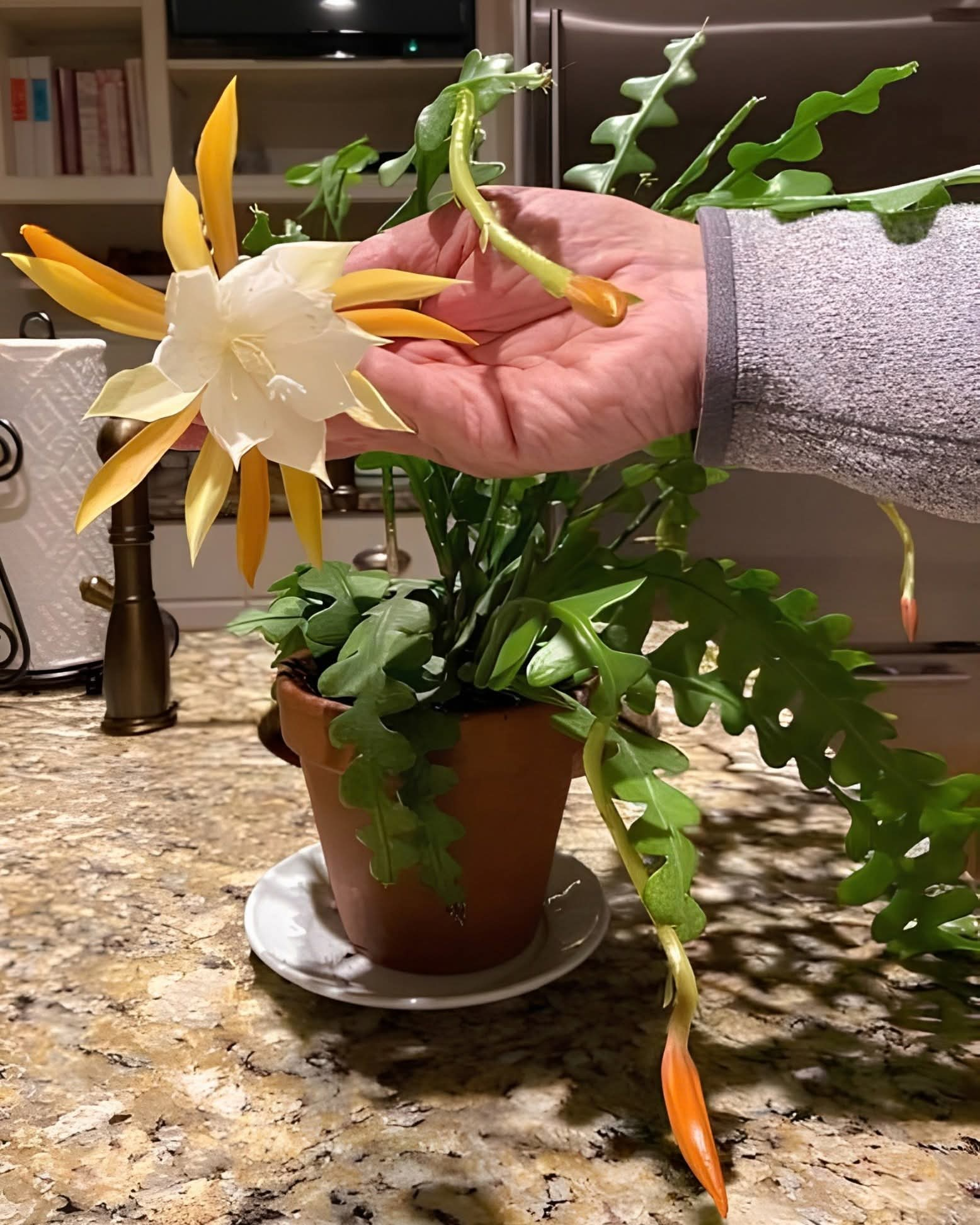
If you want to coax dramatic, star-shaped golden-yellow and creamy-white blossoms out of a potted Fishbone Cactus (Disocactus anguliger / Epiphyllum anguliger)—like the striking specimen proudly displaying a fully open starburst flower alongside long, pendulous orange-tipped buds in the classic terracotta pot on the kitchen counter above—upgrading your organic feeding routine is the ultimate secret. Pairing a nutrient-dense brown liquid coffee compost tea with slow-release white fertilizer granules provides the exact organic enrichment, beneficial microbiology, and steady mineral support needed to trigger heavy bud formation, prevent premature bud drop, and sustain lush zigzag stems year after year.
Understanding the Fishbone Cactus: Why Gentle Organic Feeding Matters
Unlike desert cacti that grow in dry, sandy soil, the Fishbone Cactus is a tropical rainforest epiphyte native to the humid mountain forests of Mexico. In the wild, it clings to tree bark and absorbs nutrients from decaying leaves, moss, and rainwater rather than heavy mineral soil.
Because its roots are adapted to airy organic matter, harsh synthetic fertilizers often cause salt buildup, root burn, and shriveled flower buds before they ever get the chance to open. The Brown Liquid Coffee Compost Protocol replicates their native jungle canopy diet, feeding the plant cleanly and safely so long, tubular flower buds swell and open into breathtaking blooms.
Why This Brown Liquid Protocol Transforms Fishbone Cacti
Combining a brewed organic tea with controlled-release mineral granules creates a balanced two-stage feeding system that supports both immediate cellular energy and steady structural strength:
- The Brown Liquid Coffee Compost Tea: Steeping mature organic compost alongside a measured amount of used, cooled coffee grounds creates a dark brown liquid rich in beneficial soil microbes, humic acids, and gentle nitrogen. The used coffee grounds add trace potassium, magnesium, and mild acidity that unlocks nutrients in the potting mix, while living compost microbes stimulate vigorous root activity and repeated bud development along the notched stems.
- Slow-Release White Granules: Top-dressing the soil surface with balanced white slow-release granules ensures a steady, micro-dosed stream of phosphorus and potassium with every watering. This sustained nutrition gives the plant the energy to support multiple long, arching flower tubes simultaneously without exhausting the wavy green foliage.
- Epiphyte-Safe Synergy: Together, this organic liquid and controlled-release granule routine prevents fertilizer shock, keeping the scalloped stems thick, glossy green, and resilient.
How to Brew Your Brown Liquid Coffee Compost Tea at Home
Making a safe, effective batch of coffee compost tea is simple and requires only basic household ingredients:
- Gather Your Ingredients: Combine 1 cup of finished organic compost (or worm castings), 2 tablespoons of used, cooled coffee grounds (avoid fresh, unbrewed grounds, which are too acidic and high in caffeine), and 1 gallon of dechlorinated or rainwater.
- Steep the Mixture: Place the compost and used coffee grounds inside a breathable mesh bag or cheesecloth and submerge it in the water.
- Brew and Aerate: Let the mixture steep for 24 to 48 hours in a shaded spot, stirring vigorously a few times a day to circulate oxygen and encourage beneficial aerobic microbes to multiply.
- Dilute to an Amber-Brown Liquid: Remove the solids and dilute the liquid with fresh water if needed until it looks like weak iced tea or a translucent amber-brown liquid. Keeping the tea mild protects tender epiphytic roots.
Step-by-Step Care & Feeding Guide for Exotic Blooms
- Top-Dress with White Granules: At the start of spring, scatter 1/2 to 1 teaspoon of slow-release white fertilizer granules evenly over the chunky, well-draining potting mix surface inside the terracotta pot. Reapply every three to four months during active growth.
- Monthly Brown Liquid Drench: Once a month throughout spring and summer, use your brewed brown liquid coffee compost tea in place of a regular watering. Pour slowly until it drains through the bottom of the pot, ensuring the entire root zone is evenly nourished. Stop feeding in late autumn and winter while the plant rests.
- Bright, Indirect Light: Place your Fishbone Cactus in bright, filtered sunlight near an east- or west-facing window. Plenty of indirect light—plus a few hours of gentle morning sun—supercharges photosynthesis and triggers abundant flower buds along the zigzag notches.
- Consistent Moisture & Breathable Terracotta: During spring and summer, water thoroughly whenever the top two inches of soil feel dry. A classic unglazed terracotta pot allows excess moisture to evaporate naturally, keeping roots oxygenated and preventing root rot. Once long flower buds appear, keep soil moisture even and avoid moving the pot so the buds open completely.
Troubleshooting Common Fishbone Cactus Issues
- Flower Buds Dropping Before Opening: Long, pendulous buds can drop if the plant experiences sudden drafts, severe underwatering, or gets moved to a new location while budding. Keep it in one consistent spot with even moisture until the flowers finish blooming.
- Aerial Roots Growing Along the Stems: Seeing small white hair-like roots emerging from the zigzag stems is completely normal for an epiphytic cactus—it simply means the plant is thriving and absorbing moisture from the air.
- Lots of Zigzag Stems, No Flowers: A plant that produces lush foliage without blooming usually needs brighter indirect light and a cooler nighttime rest period (around 50°F to 55°F / 10°C to 13°C) in autumn to trigger flower bud formation.