Can Pink Aspirin Help Your Plants Grow? Understanding Its Possible Effects on Succulents
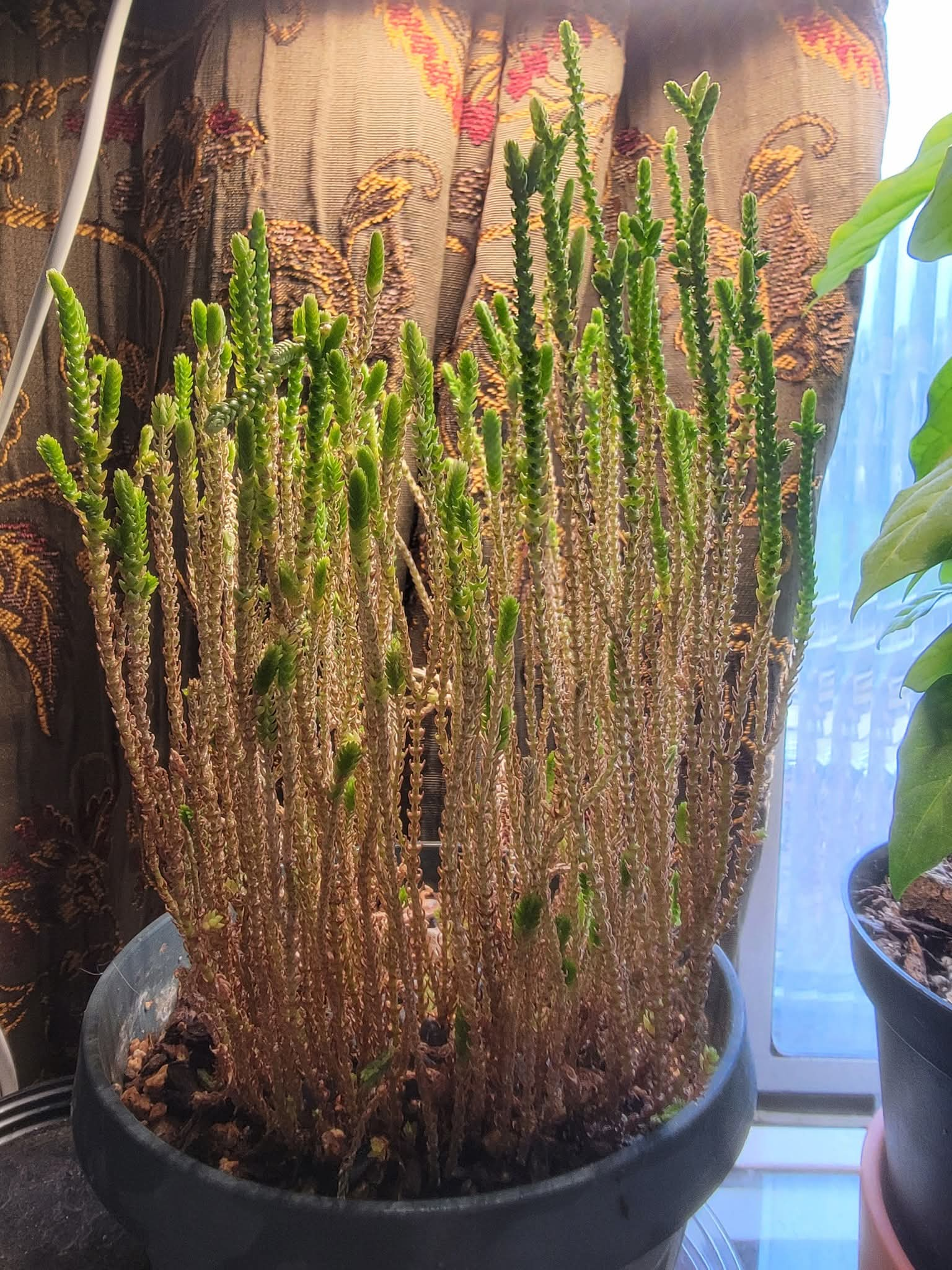
The beautiful upright stems in this picture create a striking display of greenery. Plants with this type of growth deserve proper care, including suitable lighting, careful watering, and balanced nutrition. Some gardening enthusiasts also discuss using a pink aspirin tablet as a homemade plant treatment. But what exactly is aspirin, and can it really benefit plants?
What Is a Pink Aspirin Tablet?
A pink aspirin tablet is a medication that may contain acetylsalicylic acid, commonly known as aspirin. Aspirin is widely used by people for pain relief and reducing fever. However, the pink color does not identify its ingredients or strength. Some tablets may contain additional ingredients, so always check the packaging.
Aspirin is chemically related to salicylic acid, a compound that plants naturally produce and use in their internal signaling systems.
Why Do Gardeners Use Aspirin on Plants?
Salicylic acid plays a role in plant defense responses. It helps plants respond to certain environmental stresses and is involved in signaling pathways associated with disease resistance.
Because aspirin can break down into salicylic acid under certain conditions, some gardeners experiment with diluted aspirin solutions as a plant treatment.
However, this does not mean that ordinary aspirin tablets are proven fertilizers or reliable treatments for plant diseases. Research on salicylic acid and plant responses does not automatically establish that household aspirin solutions will produce the same results.
Does Aspirin Provide Nutrients?
No. Aspirin is not a fertilizer and does not supply the essential nutrients plants need, such as nitrogen, phosphorus, and potassium.
It cannot replace a balanced plant fertilizer, healthy growing medium, or proper watering routine.
Using too much aspirin may also expose plants to unnecessary chemical stress. The added ingredients in some tablets can create further uncertainty.
Better Ways to Care for These Plants
For plants with upright, succulent-like stems, good growing conditions are especially important.
- Light: Provide bright light, introducing stronger sunlight gradually when needed.
- Water: Allow the growing medium to dry appropriately between waterings.
- Soil: Use a well-draining mix suitable for succulent plants.
- Drainage: Choose a pot with drainage holes to prevent water from collecting around the roots.
- Nutrition: Use a suitable, balanced fertilizer sparingly during active growth.
- Inspection: Remove dead stems and regularly check for pests or signs of rot.
Important Safety Advice
Do not crush and apply an unidentified pink tablet to your plant. First confirm its active ingredients and formulation. Avoid experimenting with concentrated aspirin mixtures, especially on delicate plants.
If your goal is to support plant health, focus on proper light, drainage, watering, and appropriate nutrition rather than relying on an unverified home remedy.
Final Thoughts
Aspirin is a human medication, not a plant food. Although salicylic acid has an important biological role in plant defense, there is not enough evidence to recommend ordinary pink aspirin tablets as a routine treatment for houseplants.
Healthy plants are built through consistent care and suitable growing conditions—not by adding medication to their pots.