Using Compost Tea and Coffee Grounds for a
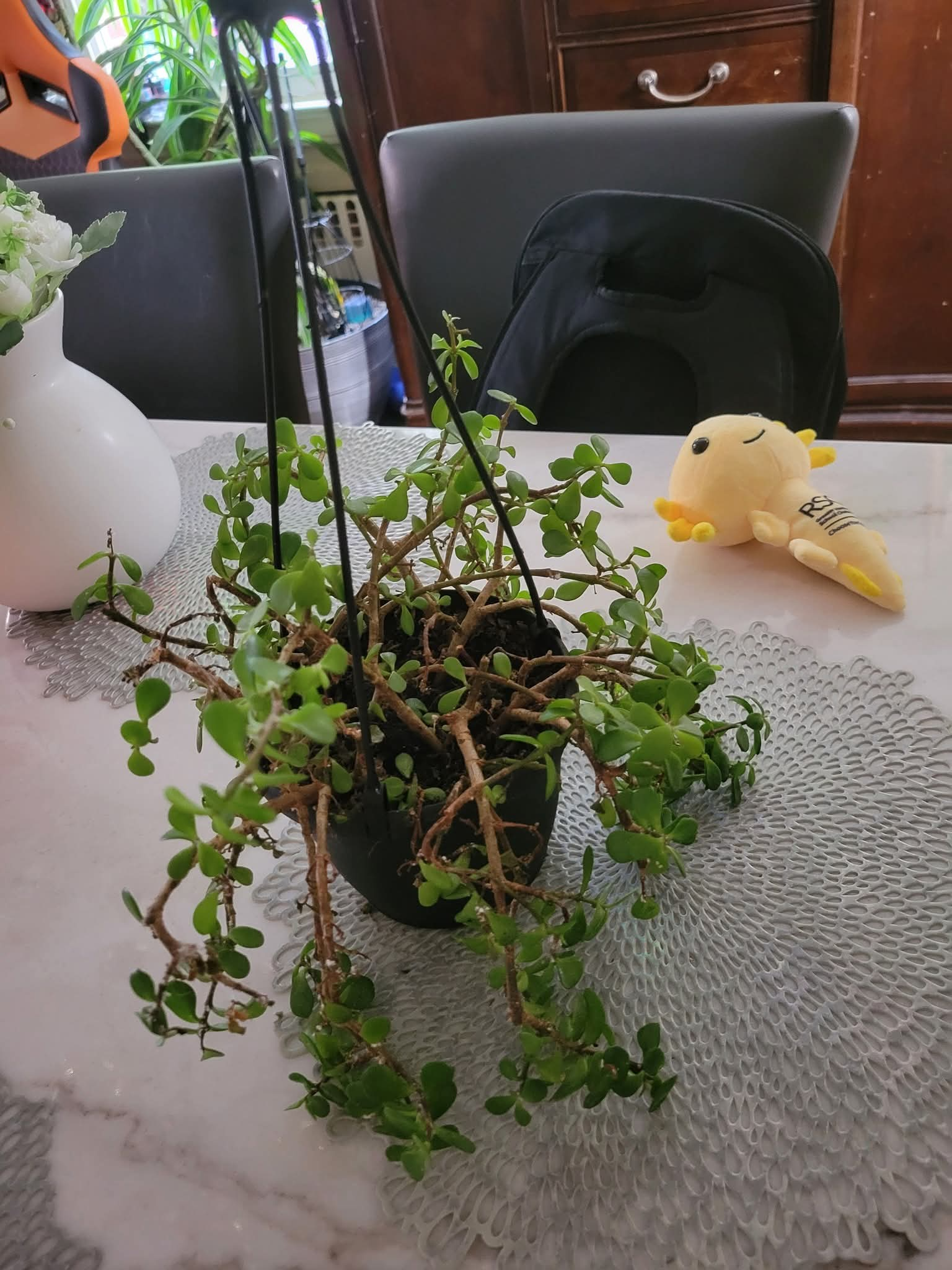
The Elephant Bush, scientifically known as Portulacaria afra, is a beautiful succulent with small, rounded green leaves and attractive woody stems. It is popular among houseplant lovers because of its unique appearance, trailing branches, and ability to thrive with relatively simple care.
In this gardening setup, the plant has several long branches and fresh green leaves. Giving it the right growing conditions is essential for maintaining healthy foliage and encouraging new growth. Some gardeners also explore natural soil supplements, such as mature compost tea and used coffee grounds.
What Is Compost Tea?
Compost tea is a liquid preparation made by steeping mature compost in water. It may contain soluble nutrients and beneficial microorganisms, depending on the compost and preparation method.
Gardeners sometimes use it as a supplementary soil treatment. However, compost tea is not a complete fertilizer, and its nutrient content can vary considerably.
For a succulent like Elephant Bush, it should be used cautiously because the plant prefers a well-draining growing medium and does not need frequent feeding.
Can Coffee Help Your Plant?
Coffee grounds contain small amounts of organic matter and nutrients, but they are not a balanced plant fertilizer.
Used coffee grounds can be added to a properly managed compost pile, where they break down with other organic materials. However, placing large amounts of fresh coffee grounds directly into a plant pot is not recommended.
Excessive coffee grounds may compact around the roots, retain too much moisture, and encourage mold growth. Coffee also contains caffeine, which can affect plant growth at certain concentrations.
How to Use Compost Tea Safely
If you want to use mature compost tea as an occasional supplement, follow these simple precautions:
- Prepare the tea using fully finished compost and clean water.
- Strain the liquid to remove solid particles.
- Make sure the plant’s growing medium is not already wet.
- Apply a small amount directly to the soil.
- Allow excess water to drain completely.
- Avoid frequent applications or strong homemade mixtures.
Do not pour coffee or compost mixtures over the leaves and stems. Keep the foliage dry and avoid leaving the pot standing in water.
Best Care Tips for Elephant Bush
Good everyday care is much more important than homemade fertilizer treatments.
- Light: Provide plenty of bright light, with some direct sunlight introduced gradually.
- Watering: Let the growing medium dry between waterings.
- Soil: Use a loose, well-draining succulent or cactus mix.
- Pruning: Trim excessively long or weak branches to encourage a fuller shape.
- Pot: Choose a container with drainage holes.
- Feeding: During active growth, use a balanced fertilizer formulated for succulents at the recommended diluted strength.
Why Is Pruning Important?
The long branches visible in the picture can be trimmed to maintain a compact and attractive shape. Pruning also allows you to remove damaged growth and encourage branching.
Use clean, sharp scissors and avoid removing too much of the plant at once. Healthy cuttings can often be allowed to dry briefly before being placed in a suitable succulent growing medium to propagate new plants.
Final Thoughts
Compost tea made from mature compost may be used as an occasional soil supplement, while used coffee grounds are better added to a compost pile rather than directly to the pot.
Neither treatment is essential for Elephant Bush. Bright light, careful watering, good drainage, and occasional pruning are the keys to maintaining a healthy plant with beautiful green leaves and strong branches.