The Power of Biochar and Compost Tea for Healthy, Beautiful Succulent Plants
Introduction
Growing beautiful, healthy succulent plants requires more than simply providing sunlight and water. The quality of the soil, the availability of nutrients, beneficial microorganisms, and proper root development all play important roles in maintaining strong plants with vibrant colors and attractive shapes.
One interesting combination that gardeners can explore is the use of biochar and compost tea. These two natural gardening materials can contribute to better soil structure, improved nutrient availability, and a healthier root environment when used correctly.
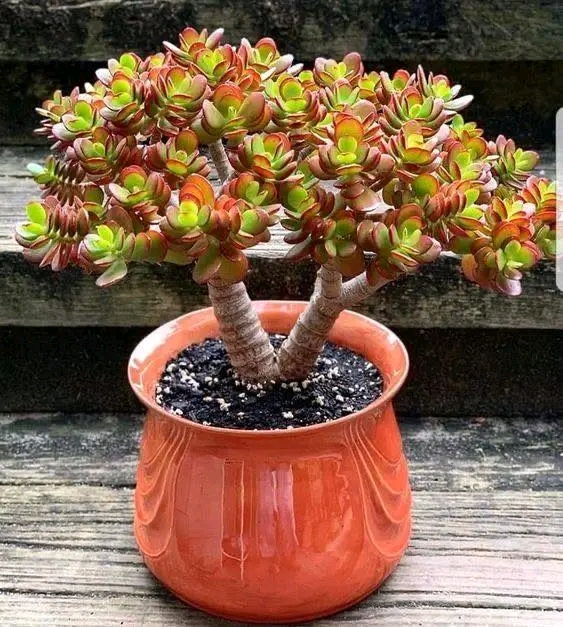
For branching succulents with colorful rosette-shaped leaves, such as the plant shown in the photograph, understanding how to use these materials is especially important. Succulents have different nutritional and watering requirements from ordinary garden plants, and their roots need excellent drainage.
This article explains the properties of biochar and compost tea, their potential benefits, how to prepare them, and how to apply them safely to succulent plants.
1. What Is Biochar?
Biochar is a type of charcoal produced by heating organic materials, such as wood, agricultural waste, or plant residues, under limited oxygen conditions. This process is called pyrolysis.
Unlike ordinary charcoal, properly produced biochar is intended for agricultural and horticultural use.
Biochar has a porous structure containing numerous tiny spaces. These pores can provide surfaces where beneficial microorganisms may live and can help retain certain nutrients and water in the growing medium.
Benefits of Biochar for Plants
1. Improving Soil Structure
Biochar can help improve the physical structure of certain growing media. When incorporated appropriately, it can contribute to better aeration and create additional pore spaces around plant roots.
2. Supporting Beneficial Microorganisms
The porous structure of biochar provides potential habitats for beneficial soil microorganisms. These organisms participate in nutrient cycling and organic matter decomposition.
3. Helping Retain Nutrients
Depending on its source and production method, biochar can help retain nutrients that might otherwise be lost through drainage.
4. Supporting Root Development
A well-balanced growing medium with sufficient air circulation allows succulent roots to develop without remaining excessively wet.
5. Improving Long-Term Soil Quality
Biochar is relatively stable and can remain in the growing medium for a long time. Its effectiveness depends on its quality, particle size, and the characteristics of the original soil.
2. What Is Compost Tea?
Compost tea is a liquid preparation made by extracting soluble substances and microorganisms from mature compost into water.
Gardeners use it as a soil drench or, in some situations, as a foliar application.
A properly prepared compost tea may contain small amounts of soluble nutrients, organic compounds, and microorganisms originating from the compost.
However, compost tea is not a complete fertilizer, and its nutritional content is not standardized.
Benefits of Compost Tea
1. Providing Small Amounts of Nutrients
Compost tea may supply soluble nutrients that plants can absorb through their roots.
2. Supporting Soil Biological Activity
Depending on the quality of the compost and preparation conditions, compost tea may introduce microorganisms into the growing medium.
3. Supporting Root-Zone Health
When applied appropriately, compost tea can contribute organic compounds and biological activity to the soil environment.
4. Complementing Organic Soil Management
Compost tea can be part of a broader organic gardening approach that includes mature compost, suitable growing media, and careful watering.
3. Why Combine Biochar and Compost Tea?
Biochar and compost tea can complement one another.
Biochar provides a porous carbon-rich material, while compost tea provides water-soluble compounds and microorganisms.
The pores and surfaces of biochar may offer places where microorganisms from compost-based preparations can establish themselves.
However, combining these materials does not automatically create a superior fertilizer. The quality of the biochar, the maturity of the compost, the growing medium, and the plant’s watering requirements all determine the outcome.
For succulent plants, the most important principle is to improve the root environment without making the soil excessively wet or nutrient-rich.
4. How to Prepare Biochar for Gardening
Never use ordinary barbecue briquettes, charcoal containing lighter fluid, painted wood charcoal, or charcoal from chemically treated materials.
Use clean, untreated, horticultural-grade biochar.
Preparation Steps
- Select clean horticultural biochar.
- Crush large pieces into small particles, approximately 2–5 mm in size.
- Remove excessive charcoal dust.
- Rinse the material if it contains loose ash or impurities.
- Allow excess water to drain.
Before incorporating biochar into a growing medium, it is preferable to pre-charge it with mature compost or a suitable nutrient solution.
This helps reduce the possibility of freshly added biochar temporarily binding some available nutrients.
5. How to Make Compost Tea
A simple, conservative compost tea preparation can be made using mature, finished compost.
Ingredients
- 1 liter of clean, non-chlorinated water.
- Approximately 1–2 tablespoons of mature, finished compost.
- A clean container.
- A fine strainer or clean cloth.
Preparation Method
- Place the water in a clean container.
- Add the mature compost.
- Stir thoroughly.
- Allow the mixture to steep briefly, approximately 12–24 hours.
- Stir occasionally.
- Filter the liquid before application.
- Use it immediately.
Avoid adding raw manure, kitchen waste, molasses, or other materials that can encourage uncontrolled microbial growth.
Do not use foul-smelling, slimy, or visibly contaminated preparations. A homemade compost tea is not guaranteed to be free of harmful microorganisms.
6. How to Use Biochar and Compost Tea for Succulents
The plant in the photograph appears to be a branching, rosette-forming succulent. Plants with this growth habit generally benefit from a mineral-rich, fast-draining growing medium.
They should not be treated like moisture-loving tropical plants.
Recommended Growing Medium
A suitable starting mixture could contain:
- 40% pumice or perlite.
- 30% mineral grit or coarse horticultural sand.
- 20% suitable potting soil.
- 10% mature, low-salt compost.
A small quantity of properly prepared biochar can be incorporated into the mixture, replacing part of the mineral or organic fraction.
The exact proportions should be adjusted according to the local climate, container size, and how quickly the growing medium dries.
Applying Compost Tea
Compost tea should be used sparingly.
A practical approach is to dilute the preparation further with clean water, then apply a small amount to the soil around the roots when the plant is actively growing.
Important precautions:
- Never leave the plant sitting in liquid.
- Do not apply compost tea to already wet soil.
- Avoid frequent applications.
- Do not use it as a substitute for proper watering.
- Avoid applying it during dormancy or when the plant is stressed.
For many succulents, occasional feeding during active growth is preferable to continuous fertilization.
7. How Biochar Can Be Pre-Charged with Compost
One interesting technique is to introduce mature compost-derived nutrients to biochar before adding it to the growing medium.
The process is simple:
- Place a small amount of clean biochar in a container.
- Add mature, finished compost.
- Moisten the mixture slightly with clean water.
- Mix everything gently.
- Allow it to rest for several days.
- Incorporate a modest amount into the succulent growing medium.
The objective is to introduce organic material and nutrients to the biochar before it comes into contact with the plant’s root system.
Do not keep the mixture saturated or allow it to become anaerobic.
8. Watering and Sunlight Are More Important Than Fertilizer
Even the best growing medium cannot compensate for incorrect watering.
Succulent plants store water in their leaves and stems. Their roots are therefore particularly vulnerable to prolonged moisture and poor aeration.
Follow these guidelines:
Watering: Allow the growing medium to dry substantially before watering again. The exact interval depends on temperature, humidity, pot size, and the plant species.
Sunlight: Provide bright light and introduce direct sunlight gradually to prevent leaf burn.
Drainage: Always use a container with drainage holes.
Air Circulation: Good airflow helps the growing medium dry and reduces the risk of fungal problems.
Fertilization: Use nutrients conservatively. Excessive nitrogen may encourage weak, overly soft growth.
9. Common Mistakes to Avoid
There are several mistakes gardeners should avoid when using biochar and compost tea.
- Using barbecue charcoal instead of clean horticultural biochar.
- Adding too much fresh biochar directly to the soil.
- Using immature compost.
- Applying concentrated compost tea too frequently.
- Keeping the roots constantly wet.
- Using poorly drained soil.
- Applying fertilizer when the plant is dormant.
- Assuming that natural products are always harmless.
Remember that succulents generally prefer a well-aerated growing medium and moderate nutrition rather than heavy feeding.
10. Expected Results
When biochar is properly prepared and incorporated into a suitable growing medium, it may contribute to improved soil properties and nutrient retention.
When mature compost and compost tea are used appropriately, they may contribute organic matter, nutrients, and beneficial biological activity.
Together, these materials can form part of a balanced approach to succulent cultivation.
However, no particular combination guarantees faster growth, brighter colors, or more flowers. These characteristics also depend on the species, genetics, light exposure, temperature, watering, and seasonal growth cycle.
Conclusion
Biochar and compost tea are two interesting natural materials that can support sustainable gardening practices.
Biochar offers a stable, porous carbon-rich component that can influence growing-medium structure and nutrient retention. Compost tea provides a liquid extract of mature compost that may contribute soluble nutrients and microorganisms.
For branching succulents with colorful rosette-shaped foliage, the best results begin with a well-drained growing medium, appropriate sunlight, careful watering, and moderate nutrition.
The secret is not to use more fertilizer, but to create the right environment for healthy roots.
A beautiful succulent begins beneath the surface. Healthy roots, balanced nutrition, good drainage, and consistent care are the foundation of a strong, colorful, and long-lasting plant.
Healthy Roots, Balanced Soil, and Natural Gardening — The Foundation of Beautiful Succulents.