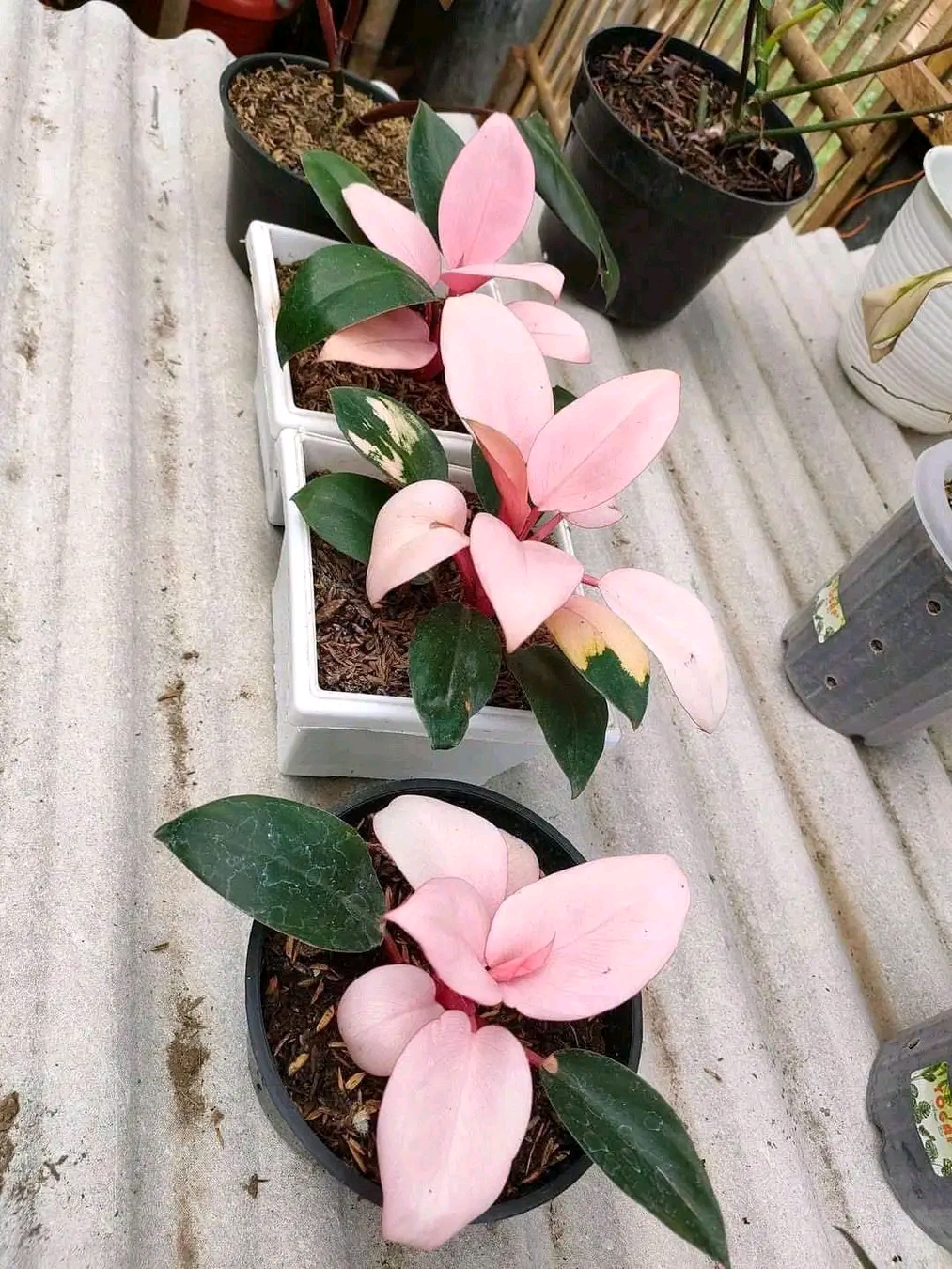
BANANA PEEL FERTILIZER + COMPOST TEA: A NATURAL FEEDING METHOD FOR BEAUTIFUL PINK FOLIAGE
Introduction
Beautiful ornamental plants with pink, green, and variegated leaves require proper nutrition, suitable growing conditions, and consistent care to maintain their attractive appearance.
One interesting approach to natural plant care is combining banana peel fertilizer with compost tea. These two organic gardening materials can contribute nutrients and organic compounds to a plant’s growing environment when prepared and applied correctly.
Banana peels contain potassium and smaller quantities of other minerals, while mature compost can provide a range of nutrients and beneficial organic compounds.
When used carefully, these materials can complement a balanced plant-care routine.
This guide explains how to prepare banana peel fertilizer, how to make compost tea, how to use them together, and how to avoid common mistakes.
1. Why Banana Peels Are Useful in Gardening
Banana peels are organic materials containing several minerals, particularly potassium.
Potassium plays an important role in plant development. It participates in enzyme activation, water regulation, and many physiological processes.
Potential Benefits of Banana Peel Fertilizer
1. Potassium Supply
Banana peels contain potassium, an essential plant nutrient involved in water regulation and general plant metabolism.
2. Organic Matter
When composted properly, banana peels contribute organic matter that can support soil improvement.
3. Supporting Plant Development
Potassium is involved in several processes that help plants maintain normal growth and physiological functions.
4. Sustainable Gardening
Reusing kitchen scraps through composting reduces household organic waste and creates useful gardening materials.
5. Complementary Nutrition
Banana peel compost can contribute to a broader nutrient-management program, although it should not be considered a complete fertilizer.
2. What Is Compost Tea?
Compost tea is a liquid preparation made by extracting soluble substances from mature compost into water.
It may contain small amounts of nutrients, dissolved organic compounds, and microorganisms originating from the compost.
Its nutritional composition varies according to the compost ingredients and preparation method.
Potential Benefits of Compost Tea
- Provides small quantities of soluble nutrients.
- Introduces organic compounds into the growing medium.
- May support biological activity in the root zone.
- Complements a well-managed organic gardening routine.
- Can be applied as a soil drench.
Compost tea is not a complete fertilizer, and its benefits depend on the quality of the compost.
3. How to Prepare Banana Peel Fertilizer
Making banana peel fertilizer is a simple way to reuse kitchen waste.
Ingredients
- 2 fresh banana peels.
- 1 liter of clean water.
- A clean container.
- A strainer.
Preparation Method
- Wash the banana peels to remove surface dirt.
- Cut them into small pieces.
- Place the pieces in a clean container.
- Add one liter of water.
- Cover the container loosely.
- Refrigerate or prepare a fresh batch rather than leaving it fermenting at room temperature.
- Strain the liquid before use.
- Discard the remaining pieces in a properly managed compost pile.
The resulting liquid is not a standardized fertilizer. It may contain some dissolved potassium and other substances, but its nutrient concentration is unpredictable.
For reliable nutrition, properly composted banana peels are preferable to relying on homemade banana peel water.
4. How to Make Compost Tea
Ingredients
- 1 liter of clean water.
- 1–2 tablespoons of mature, finished compost.
- A clean container.
- A fine strainer.
Preparation Steps
- Pour the water into the container.
- Add the mature compost.
- Stir thoroughly.
- Allow the mixture to steep for approximately 12–24 hours.
- Stir occasionally.
- Filter the liquid carefully.
- Use it immediately.
Avoid using fresh manure, immature compost, or ingredients that can encourage harmful microbial growth.
Do not use foul-smelling or slimy preparations.
5. Combining Banana Peel Fertilizer with Compost Tea
Banana peel preparations and compost tea can be incorporated into the same gardening routine, but combining them does not automatically produce a more powerful fertilizer.
A practical approach is to prepare each material separately and use them conservatively.
Application Method
- Prepare a fresh banana peel water extract.
- Prepare compost tea separately using mature compost.
- Filter both liquids.
- Combine a small amount of each with clean water.
- Apply a small quantity to the growing medium.
- Allow excess water to drain completely.
Avoid making concentrated mixtures or storing the combined liquid.
For valuable ornamental plants, test the mixture on one plant first and observe its response before wider application.
6. Special Care for Pink and Variegated Plants
The plant shown in the photograph has beautiful pink and green foliage.
Pink-variegated plants need special attention because their lighter leaf areas generally contain less chlorophyll than green areas.
This means that adequate light and balanced nutrition are particularly important.
Important Growing Tips
Bright Indirect Light
Provide plenty of bright, indirect sunlight. Gentle morning sunlight may be suitable after gradual acclimatization.
Avoid intense midday sunlight, which can damage delicate pink leaves.
Balanced Nutrition
Use a complete, balanced houseplant fertilizer at an appropriate diluted concentration during active growth.
Banana peel preparations alone cannot provide all the essential nutrients required by the plant.
Proper Watering
Water when the upper portion of the growing medium has begun to dry.
Avoid keeping the roots constantly wet.
Good Drainage
Use a pot with drainage holes and a suitable airy growing medium.
Humidity
Moderate to higher indoor humidity can support healthy foliage, provided there is sufficient airflow.
7. The Best Soil Mix for Pink Variegated Plants
A well-aerated growing medium is essential for healthy root development.
A suitable starting mixture may contain:
- 30% coco coir or quality potting mix.
- 25% orchid bark.
- 25% perlite or pumice.
- 10% mature, low-salt compost.
- 10% other suitable airy organic material.
Adjust the mixture according to your climate and watering habits.
The growing medium should retain some moisture while allowing excess water to drain freely.
8. How Often Should You Apply These Natural Preparations?
More fertilizer does not necessarily mean better growth.
For ornamental foliage plants, excessive feeding can cause salt accumulation, root damage, and leaf problems.
A conservative approach is best.
- Use banana peel compost as a small component of the growing medium.
- Apply homemade compost tea only occasionally.
- Use a complete fertilizer when the plant is actively growing and requires additional nutrition.
- Avoid feeding plants with damaged or unhealthy roots.
- Reduce fertilization during periods of slow growth.
Do not apply several homemade fertilizers simultaneously at high concentrations.
9. Common Mistakes to Avoid
Mistake 1: Using Concentrated Banana Peel Water
Homemade extracts have unpredictable nutrient concentrations. They should not replace a balanced fertilizer.
Mistake 2: Allowing Banana Peels to Rot in the Pot
Fresh banana peel pieces can attract insects, develop unpleasant odors, and encourage fungal problems.
Mistake 3: Overwatering
Excessive moisture is one of the most common causes of root problems in indoor plants.
Mistake 4: Using Immature Compost
Unfinished compost may contain unstable compounds and can damage sensitive roots.
Mistake 5: Expecting Fertilizer to Create Pink Variegation
The pink coloration of variegated plants is largely determined by genetics and growing conditions. Banana peel fertilizer cannot create genetic variegation.
Mistake 6: Applying Too Much Nitrogen
Excessive nitrogen can encourage unbalanced growth and may affect the appearance of new foliage.
10. How to Maintain Beautiful Pink Leaves
To maintain attractive pink foliage, focus on the following factors:
- Provide consistent bright indirect light.
- Maintain an appropriate watering schedule.
- Use a well-draining growing medium.
- Feed with balanced nutrients during active growth.
- Keep leaves clean and free from dust.
- Monitor for pests such as spider mites and thrips.
- Avoid excessive fertilizer applications.
- Maintain suitable humidity and airflow.
Remember that healthy roots are the foundation of healthy leaves.
Conclusion
Banana peel fertilizer and compost tea are interesting additions to a natural gardening routine.
Banana peels provide potassium-containing organic material, while mature compost can contribute nutrients and organic compounds to the growing environment.
When used responsibly, these materials can complement good plant-care practices.
For pink and green ornamental plants, however, the most important factors remain proper lighting, balanced nutrition, good drainage, suitable humidity, and careful watering.
Natural gardening is not about adding as many fertilizers as possible. It is about giving plants the right nutrients in the right amounts at the right time.
Healthy Roots, Beautiful Pink Leaves, and Balanced Nutrition — The Secret to Thriving Ornamental Plants!