Christmas Cactus Care: What Are the Green Fertilizer Granules Sprinkled Around the Plant?
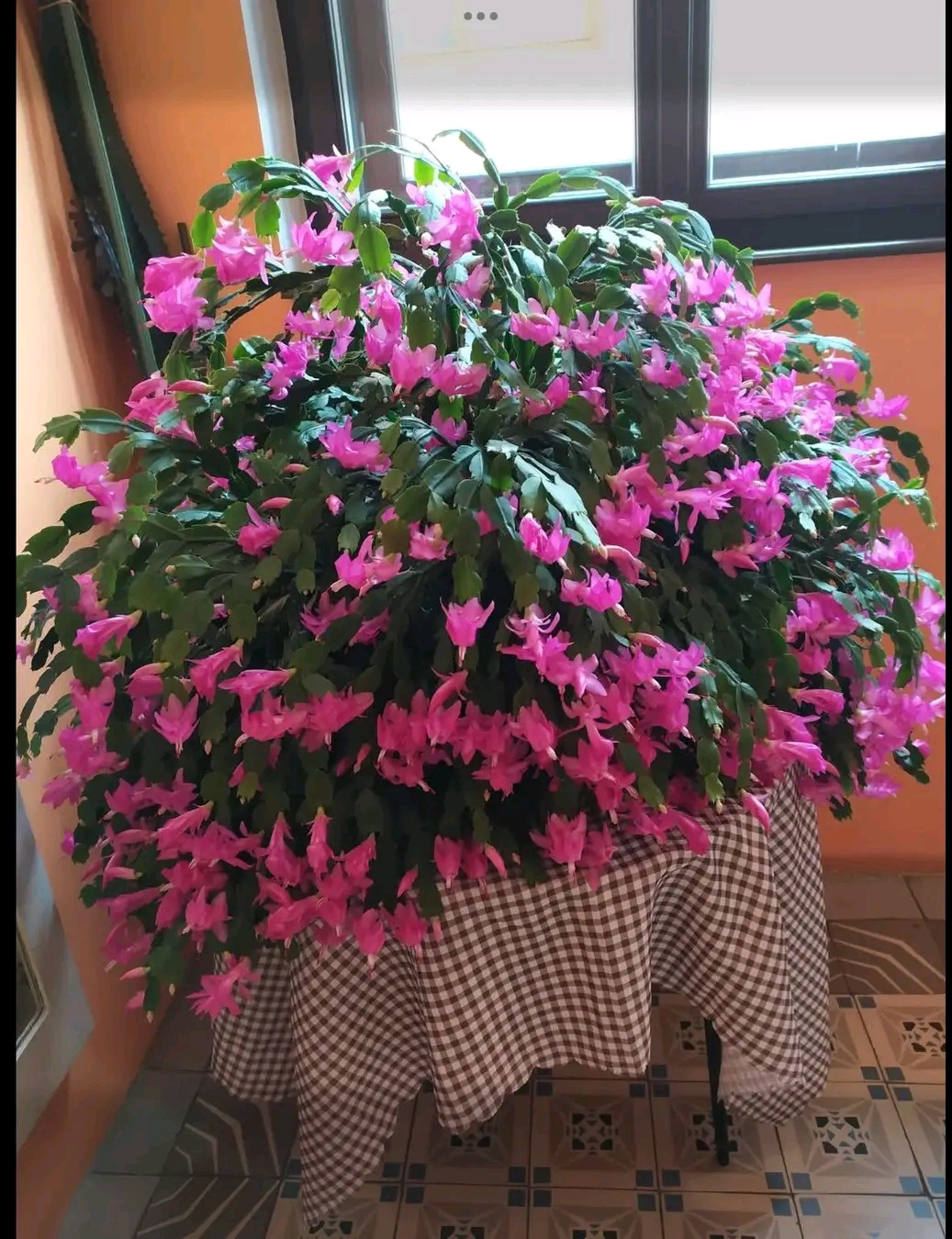
A Christmas Cactus covered in beautiful pink flowers is a spectacular sight! 🌸 With its cascading green stems and colorful seasonal blooms, this popular flowering houseplant can become the centerpiece of any indoor garden.
But have you ever noticed gardeners sprinkling small green granules around the base of their Christmas Cactus? What are these little pellets, and can they really help a plant grow healthier and produce beautiful flowers?
The green granules shown in gardening videos may be slow-release fertilizer pellets. However, their exact identity cannot be confirmed from their color or appearance alone. Different fertilizers can look similar, so checking the product label is essential before using them.
Let’s explore what these granules might be, how slow-release fertilizers work, and how to care for a Christmas Cactus properly.
1. What Are the Small Green Granules?
One common possibility is slow-release granular fertilizer.
These fertilizers contain plant nutrients that are gradually released into the growing medium over time. Depending on the product, they may contain nitrogen, phosphorus, potassium, and additional micronutrients.
The three main fertilizer nutrients are:
- Nitrogen (N): Supports healthy leaf and stem growth.
- Phosphorus (P): Plays an important role in energy transfer and root development.
- Potassium (K): Supports several plant functions, including water regulation and overall growth.
Some formulations also contain nutrients such as magnesium, iron, and sulfur.
Slow-release fertilizer is designed to provide nutrients gradually rather than delivering everything at once. The release rate depends on the formulation, temperature, moisture, and product instructions.
Important: Green color does not identify a fertilizer. Never apply unknown granules to your Christmas Cactus without confirming what they are.
2. Can Slow-Release Fertilizer Help Christmas Cactus?
Yes, an appropriate fertilizer can support healthy growth when used correctly.
Christmas Cactus plants need nutrients to maintain their segmented green stems, develop new growth, and support their flowering cycle.
A suitable fertilizer may help provide nutrients when the plant is actively growing. However, adding more fertilizer does not automatically mean more flowers.
Excess fertilizer can cause salt buildup in the potting mix and damage sensitive roots. Always choose a product suitable for flowering houseplants or epiphytic cacti and follow its label.
3. How to Apply Granular Fertilizer Safely
If you have confirmed that the green granules are suitable slow-release fertilizer, follow these precautions:
- Read the product label: Check that the fertilizer is appropriate for container-grown flowering plants.
- Measure carefully: Use only the recommended amount for your pot size.
- Spread evenly: Distribute the granules over the soil surface without piling them against the plant stems.
- Keep granules away from the stems: Avoid direct contact with delicate plant tissue.
- Water as directed: Follow the product instructions for activating or watering in the fertilizer.
- Avoid repeated applications: Slow-release products continue supplying nutrients over time, so applying more too soon may cause overfertilization.
For a small Christmas Cactus pot, a little fertilizer may be enough. Never assume that a large handful will produce better results.
4. Understanding Christmas Cactus Flowering
Christmas Cactus, scientifically known as Schlumbergera, is an epiphytic cactus. Unlike desert cacti, it naturally grows in humid environments and benefits from a different care routine.
Its beautiful pink, red, white, or purple flowers are influenced by several factors.
Bright, Indirect Light
Provide bright, filtered light to support healthy growth. A bright window or protected patio can be suitable.
Strong direct sunlight, especially during hot afternoons, may damage the stems.
Suitable Watering
Water when the upper portion of the growing mix begins to dry. Christmas Cactus prefers more moisture than desert cactus varieties, but its roots should never remain waterlogged.
Always allow excess water to drain away.
Well-Draining Soil
Use a loose, airy potting mix that retains some moisture but drains freely. A mixture suitable for epiphytic cacti can help maintain healthy roots.
Choose a pot with drainage holes.
Stable Growing Conditions
Sudden changes in temperature, light, or watering can stress the plant. Once flower buds appear, try to keep its environment consistent.
5. How to Encourage More Flower Buds
One of the most exciting parts of growing Christmas Cactus is seeing the flower buds develop.
To encourage flowering:
- Provide bright, indirect light during active growth.
- Maintain appropriate watering without saturating the soil.
- Use suitable balanced fertilizer during the growing season.
- Avoid excessive nitrogen, which may encourage foliage at the expense of flowering.
- Provide longer uninterrupted nights and cooler nighttime conditions during the natural bud-setting period.
- Avoid frequently moving the plant once buds begin to form.
The combination of suitable light, seasonal temperature changes, and consistent care can help mature plants prepare for flowering.
6. Why Are My Christmas Cactus Leaves Drooping?
Drooping or wrinkled stems do not necessarily mean the plant needs fertilizer.
Several problems can cause a Christmas Cactus to look unhealthy.
Overwatering: Constantly wet soil can damage the roots and cause stems to become weak or soft.
Underwatering: Very dry growing medium can cause the segmented stems to lose firmness and become wrinkled.
Poor drainage: A pot without drainage holes may allow excess water to collect around the roots.
Too much direct sunlight: Harsh sunlight can cause discoloration and damage.
Root problems: Damaged or rotting roots may prevent the plant from absorbing water and nutrients properly.
Before applying fertilizer, check the growing medium and roots. Feeding an already stressed plant may make the situation worse.
7. A Simple Christmas Cactus Care Routine
For a beautiful, healthy plant, consistency matters more than complicated homemade treatments.
| Care requirement | What to do |
|---|---|
| Light | Bright, indirect sunlight |
| Water | Water when the upper soil begins to dry |
| Soil | Loose, airy, well-draining mix |
| Pot | Container with drainage holes |
| Fertilizer | Suitable balanced fertilizer during active growth |
| Temperature | Protect from frost and extreme heat |
| Flowering | Provide appropriate seasonal light and temperature conditions |
| Maintenance | Remove faded flowers and damaged stems |
8. Common Fertilizer Mistakes to Avoid
Even good fertilizer can cause problems when used incorrectly.
Avoid these mistakes:
- Applying unidentified green granules.
- Using more fertilizer than the label recommends.
- Applying several fertilizers at the same time.
- Feeding a plant with damaged or rotting roots.
- Assuming fertilizer alone will trigger flowering.
- Reapplying slow-release pellets too frequently.
- Allowing fertilizer granules to accumulate around the plant stems.
Remember that healthy roots, suitable light, and proper watering are just as important as nutrition.
Frequently Asked Questions
What are the green pellets used for Christmas Cactus?
They may be slow-release fertilizer granules, but their exact identity cannot be confirmed from the image alone. Check the packaging or product label before applying them.
Do slow-release fertilizer pellets help Christmas Cactus grow?
A suitable slow-release fertilizer can provide nutrients gradually and support healthy growth. It will not guarantee more flowers.
How often should I fertilize Christmas Cactus?
The frequency depends on the fertilizer formulation. Follow its label carefully, and avoid adding more while previous slow-release granules are still active.
Can too much fertilizer harm Christmas Cactus?
Yes. Excess fertilizer can cause salt accumulation, root damage, and leaf or stem problems.
What fertilizer is best for Christmas Cactus?
Choose a balanced fertilizer suitable for flowering houseplants or epiphytic cacti. Follow the recommended dilution or application rate.
Why does my Christmas Cactus have lots of leaves but few flowers?
Possible causes include insufficient light, unsuitable seasonal conditions, excessive nitrogen, or a plant that has not reached maturity. Review its growing conditions before changing its fertilizer.
Final Thoughts: Healthy Christmas Cactus Starts with the Right Care
Those little green granules may look like a simple gardening trick, but they could be slow-release fertilizer pellets designed to provide nutrients over time.
The most important thing is to identify the product before using it. Not every green pellet is fertilizer, and not every fertilizer is suitable for every houseplant.
For a Christmas Cactus with healthy green stems and beautiful pink flowers, focus on proper watering, bright indirect light, well-draining soil, and balanced nutrition.
With patience and consistent care, your Christmas Cactus can become a gorgeous flowering feature in your home year after year! 🌸
Remember: the best gardening results come from using the right product in the right amount at the right time.