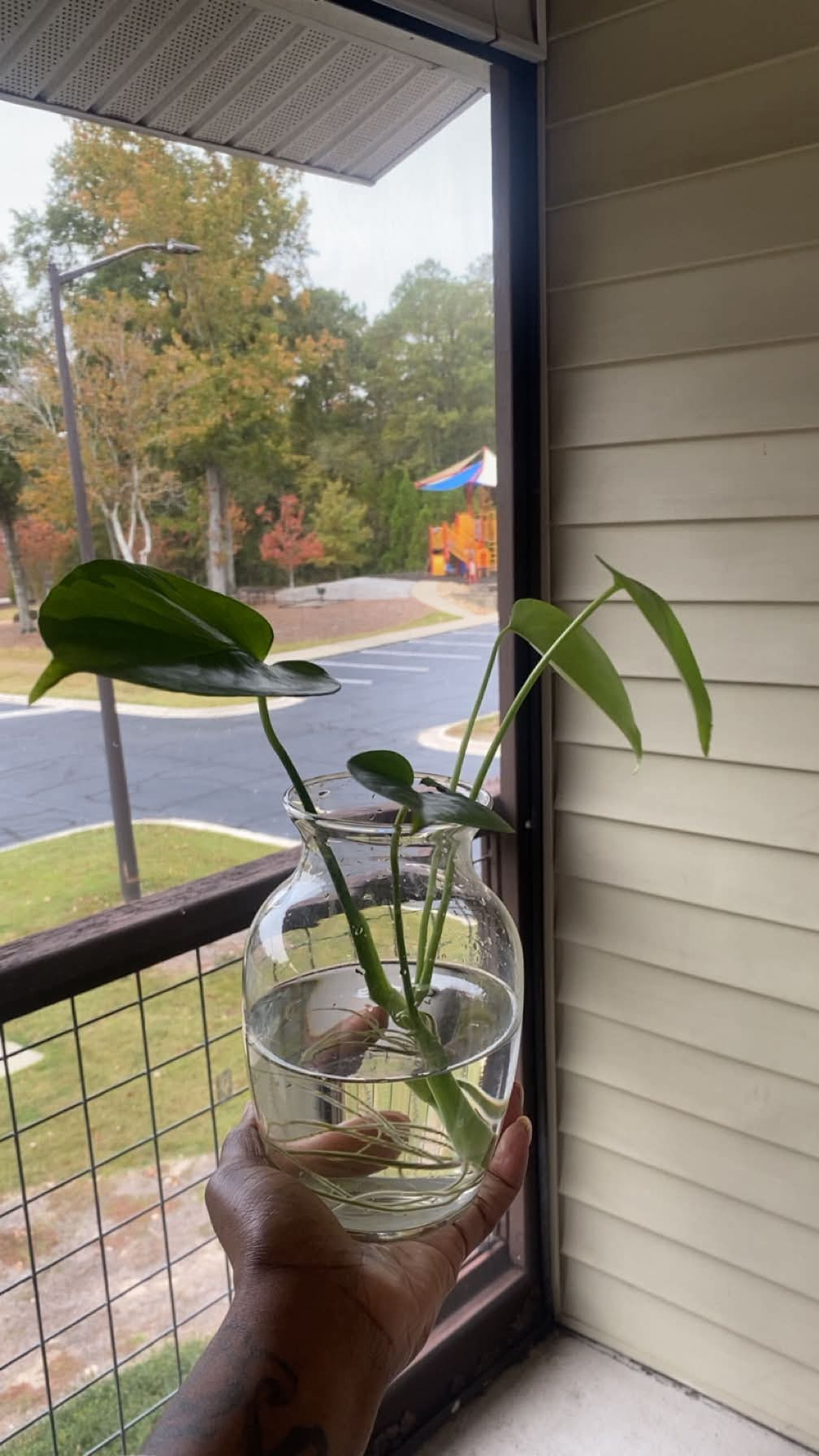
The Honey-Colored Plant Care Mixture: Compost Tea, Coffee, Banana Peel, and Honey
Healthy houseplants begin with the right balance of light, water, nutrients, and growing conditions. Many plant lovers enjoy exploring natural gardening ideas using everyday ingredients, and one popular topic is homemade plant-care mixtures made with compost, coffee, banana peels, and honey.
In this plant-care idea, a honey-colored liquid is presented as a natural addition to a plant-care routine. The ingredients are familiar in many homes, but understanding what they actually do—and when they should be avoided—is essential before trying any homemade mixture.
1. Understanding the Ingredients
Each ingredient has different properties. They should not automatically be treated as a complete fertilizer or a guaranteed growth solution.
Compost Tea
Compost tea is made by steeping mature, finished compost in water. Depending on the compost and preparation method, it may contain dissolved nutrients and microorganisms. Its composition is not standardized, so its nutritional value can vary considerably.
For container plants, properly prepared compost and a suitable commercial fertilizer are generally more predictable choices than an unknown homemade liquid.
Coffee
Used coffee grounds contain organic matter and small amounts of nutrients. However, adding coffee directly to plant water does not create a balanced fertilizer.
Coffee grounds are better treated as a compost ingredient in appropriate quantities rather than poured into a water-propagation container. Excess organic material can encourage unwanted microbial growth.
Banana Peel
Banana peels contain potassium and other minerals. They can be composted, allowing their organic matter to break down gradually.
A banana-peel soaking liquid does not provide a reliably measured nutrient concentration. It should not be assumed to replace a complete plant fertilizer.
Honey
Honey contains sugars and is not a standard houseplant fertilizer. Adding it to plant water can encourage microbial activity and may contribute to cloudy water or unwanted growth.
For this reason, honey should not be added to a water-propagation vase or used as a routine root treatment.
2. How These Ingredients Fit Into a Responsible Gardening Routine
The most important part of natural gardening is knowing the difference between an interesting homemade gardening experiment and a proven plant-care method.
Compost, coffee grounds, and banana peels can all have a place in responsible composting. Instead of combining them into an unpredictable liquid and applying it directly to roots, gardeners can compost suitable organic materials properly.
Finished compost should have a pleasant earthy smell and a stable, crumbly texture. It should not contain recognizable fresh food scraps or have a sour, unpleasant odor.
For indoor plants, a balanced fertilizer formulated for the particular plant type is usually easier to measure and apply safely.
3. Caring for a Plant Growing in Water
The plant in the photograph is growing in a clear glass vase, making its roots visible. Water propagation and water-grown houseplants need a slightly different care routine from plants growing in potting soil.
Here are some important points:
- Use a clean glass container.
- Keep the roots submerged while keeping most leaves and stems above the water.
- Replace the water regularly, especially if it becomes cloudy.
- Rinse the container when residue begins to build up.
- Keep the plant in bright, indirect light.
- Remove damaged or decaying plant material.
- Check the roots regularly for healthy development.
Avoid pouring compost tea, coffee, banana-peel mixtures, or honey into the propagation water. These ingredients can encourage microbial growth and make it harder to maintain clean water around delicate roots.
4. Why Clean Water Matters for Root Development
Roots growing in water are directly exposed to their environment. Unlike roots growing in a suitable potting mix, they do not have the same growing medium around them.
Clean water helps make root inspection easier and reduces the buildup of organic residue.
Healthy roots generally appear firm rather than mushy. If the water develops an unpleasant smell or the roots become soft and discolored, refresh the water and clean the container.
A simple routine of clean water, suitable lighting, and regular observation can make a significant difference to the long-term care of a water-grown plant.
5. Natural Composting: A Better Use for Kitchen Scraps
Coffee grounds and banana peels can be useful additions to a balanced compost pile.
A responsible composting routine includes:
- Collect suitable fruit and vegetable scraps.
- Add dry materials such as dry leaves or shredded cardboard.
- Mix the materials to maintain a balanced compost environment.
- Allow the organic materials to break down properly.
- Use only mature, finished compost in suitable gardening applications.
Honey is unnecessary for this process. Adding extra sugar does not guarantee better compost or healthier plants.
6. Supporting Healthy Indoor Plant Growth
Whether a plant grows in water or in a pot, its basic needs remain important.
Light: Most common tropical foliage plants prefer bright, indirect light. Strong direct sunlight can damage leaves that are not adapted to it.
Water: Watering needs depend on the plant species, container, growing medium, and environmental conditions.
Nutrition: Use a complete fertilizer suitable for the plant and follow its label instructions. More fertilizer does not mean faster or healthier growth.
Root Health: Healthy roots are essential for water and nutrient absorption. Avoid unnecessary additives that may affect the root environment.
Maintenance: Remove damaged leaves, keep containers clean, and observe new growth regularly.
7. Common Mistakes to Avoid
Natural gardening ingredients are not automatically safe for every plant or every growing method.
Avoid these common mistakes:
- Treating coffee or banana-peel water as a complete fertilizer.
- Adding honey to a water-propagation vase.
- Mixing several kitchen ingredients without understanding their effects.
- Applying concentrated homemade mixtures directly to delicate roots.
- Adding fertilizer without checking whether the plant needs it.
- Ignoring cloudy water, unpleasant smells, or unhealthy roots.
A careful approach is more valuable than adding several ingredients at once.
8. Final Thoughts: A Thoughtful Approach to Natural Plant Care
The honey-colored mixture in this gardening idea brings together several familiar ingredients: compost tea, coffee, banana peel, and honey. While these ingredients are often discussed in natural gardening, they do not form a scientifically balanced fertilizer simply by being combined.
Coffee grounds and banana peels are better suited to appropriate composting, while mature compost and correctly selected plant fertilizers offer more predictable options for plant nutrition.
For the water-grown plant shown here, the best routine is to maintain clean water, protect the roots, provide suitable indirect light, and monitor new growth.
Beautiful houseplants are the result of consistent care, healthy roots, and the right growing conditions—not one secret ingredient.
Natural Plant Care, Homemade Plant Fertilizer, Compost Tea for Plants, Coffee Grounds for Gardening, Banana Peel Compost, Honey Colored Plant Liquid, Water Propagation, Growing Plants in Water, Indoor Plant Care, Healthy Plant Roots, Houseplant Growth, Natural Gardening Tips, Kitchen Scraps Composting, Plant Root Health, Water Grown Houseplants.