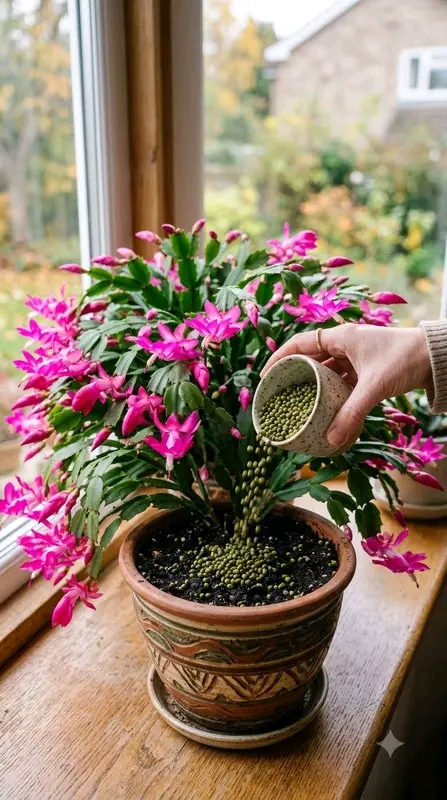
🟢The Christmas Cactus (Schlumbergera) is one of the most beloved indoor plants, celebrated for its vibrant pink, red, or magenta blossoms that bring life to any home during the cooler months. 🌸 Unlike desert cacti, this tropical epiphytic plant native to the coastal mountains of southeastern Brazil thrives on humidity, indirect sunlight, and proper nutrient management.
🟢If you want your Christmas Cactus to explode with vibrant green growth and heavy flower buds, providing the right organic nutrients—like organic plant food granules, bone meal, or specialized slow-release fertilizers—is essential. 🍃
🟢In this comprehensive blog post, we will walk through everything you need to know about feeding, blooming secret triggers, watering techniques, and ideal lighting for a thriving Christmas Cactus! 🌟
🎯 Why Proper Fertilization Matters for Schlumbergera
🟢While desert cacti store vast amounts of nutrients in their stems, tropical jungle cacti like the Christmas Cactus require consistent feeding during their active growth period. 🪴
🟢Applying organic fertilizer pellets or slow-release nutrients to the soil top (as shown in the image) provides several critical benefits:
- Boosts Flower Bud Formation 🌺: Phosphorus-rich fertilizers encourage dense bud production instead of just green stem foliage.
- Strengthens Stem Segments (Phylloclades) 🌿: Potassium builds strong cell walls, preventing soft, drooping, or limp stems.
- Sustains Long-Lasting Blooms ⏳: Essential minerals like magnesium and calcium keep flowers vibrant for weeks without premature drop.
🛒 The Best Fertilizers for Christmas Cactus
🟢Choosing the right nutrient mix ensures your plant receives balanced support throughout the year. Here are the top recommended fertilizer types:
1. Organic Slow-Release Granules or Seeds 🟢
🟢Using organic granular fertilizer (such as crushed seed meals, organic plant food pellets, or dried green bean/pea amendments) gently releases nitrogen, phosphorus, and potassium into the soil every time you water. 💧 Sprinkle 1–2 tablespoons across the soil surface and lightly mix into the top layer.
2. Balanced Liquid Houseplant Fertilizer (20-20-20 or 10-10-10) 🧪
🟢During spring and summer, feed your plant every 2–4 weeks with a balanced liquid fertilizer diluted to half strength.
3. Bloom Booster Formula (High-Phosphorus) 🌸
🟢In early autumn (September), switch to a fertilizer higher in phosphorus (such as 5-10-5 or 10-15-10) to stimulate bud development before blooming season kicks in.
👩🌾 Step-by-Step Care & Blooming Guide
Step 1: Soil Application & Top-Dressing 🪴
🟢Spread your chosen fertilizer granules evenly around the base of the plant, keeping them away from direct contact with the main stem. Water thoroughly right after applying so the nutrients soak gently into the root zone.
Step 2: Ideal Light & Temperature Conditions ☀️
- Sunlight: Place your cactus near a bright, indirect window (East or West-facing). Direct afternoon sun will scorch the fleshy stems, turning them purple or reddish.
- Temperature: Keep indoor temperatures between 60°F and 70°F (15°C to 21°C). Avoid cold drafts from doors or hot air vents.
Step 3: Mastering the Watering Schedule 💧
🟢Overwatering is the number one cause of Christmas Cactus failure!
- Spring & Summer: Water when the top 1–2 inches of soil feel dry to the touch.
- Fall & Winter: Reduce watering slightly while buds are forming to prevent root rot.
- Drainage: Always ensure your pot has adequate drainage holes and a saucer underneath so water never sits stagnantly around the roots.
🌙 The Secret Trigger: How to Force Blooming
🟢To trigger your plant to set dozens of flower buds in late fall, you must simulate its natural tropical habitat through darkness and cooler temperatures:
- Darkness Routine (12–14 Hours Daily) 🌑: Starting in late September, place your plant in total darkness for 12 to 14 consecutive hours every night (cover it with a box or place it in a dark closet from 6 PM to 8 AM).
- Cooler Night Temps 🌡️: Expose the plant to night temperatures around 55°F–62°F (13°C–16°C).
- Stop Fertilizing in Fall 🛑: Stop applying heavy fertilizers once flower buds begin to appear; over-feeding at this stage can cause the delicate buds to drop off before opening!
💡 Top Troubleshooting Tips
| Issue | Cause | Easy Solution |
|---|---|---|
| Dropping Flower Buds 🌸 | Drafts, sudden temp changes, or overwatering | Keep away from AC/heater vents; water only when topsoil is dry. |
| Wrinkled / Limp Stems 🥀 | Underwatering or damaged root system | Check root health; water deeply until moisture drains from the bottom. |
| Red / Purple Leaves 🍇 | Excessive direct sunlight | Move the pot further away from intense sunlight to bright indirect light. |
🌿 Propagation: How to Multiply Your Plant
🟢Christmas Cacti are remarkably easy to propagate! ✂️
- Twist off a stem segment with 3 to 4 healthy phylloclades (leaf segments).
- Allow the cut end to dry and callus over for 24 to 48 hours.
- Insert the dried tip into a moist peat-and-perlite potting mix.
- Keep in bright, indirect light; roots will establish within 3 to 4 weeks!
🌟 Final Thoughts
🟢Caring for a Christmas Cactus is a deeply rewarding hobby that fills your home with spectacular winter color. By feeding your plant organic fertilizer granules, providing bright indirect light, and respecting its natural fall rest period, you can enjoy hundreds of dazzling blooms year after year! ❤️