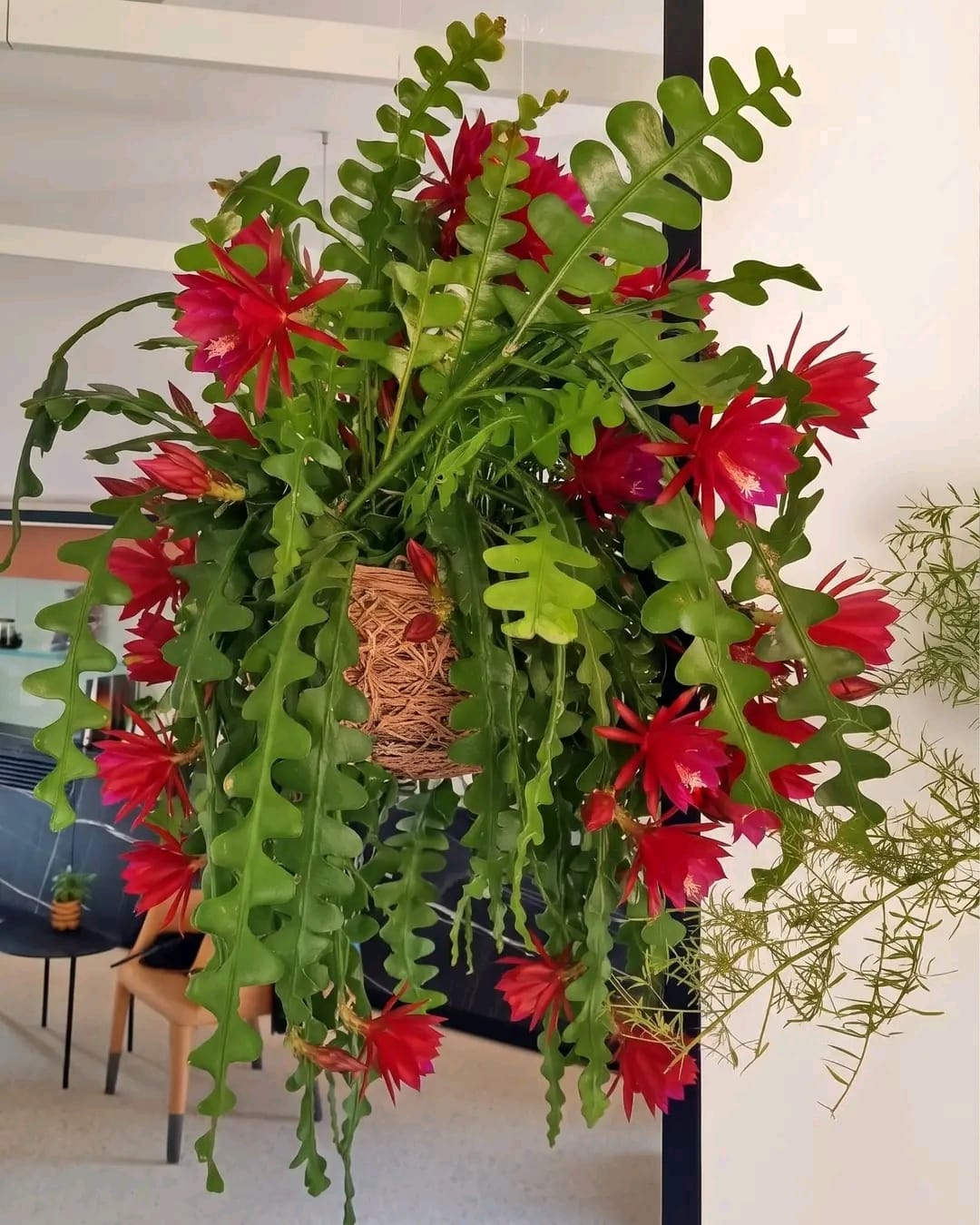
With its zigzag stems and trailing growth, the fishbone cactus (Disocactus anguliger) brings distinctive texture to an indoor garden. Unlike desert cacti, this tropical forest cactus prefers filtered light, an airy growing medium, and more regular access to moisture.[1]
If you are considering adding white powder to its pot, identify the substance first. Color alone cannot tell you whether it is fertilizer, a soil amendment, a household ingredient, or something unsuitable for the plant.
🔎 Identify the Powder Before Applying It
There is no universal application rate for “white powder.” Different products have different ingredients, concentrations, and purposes.
Before using anything, check the original packaging.
| What to check | What you need to know |
|---|---|
| Product name | The exact identity of the substance |
| Ingredients | What the powder contains |
| Intended use | Whether it is suitable for your plant |
| Preparation | Whether it must be dissolved or applied directly |
| Application rate | The amount specified by the manufacturer |
| Repeat interval | When another application is permitted |
If the powder is unmarked or its ingredients are unknown, leave it out of your plant-care routine. There is no reliable basis for promising stronger roots, faster growth, or more flowers from an unidentified substance.
🌱 If the Powder Is Fertilizer
A suitable cactus fertilizer can be part of fishbone cactus care, but the product must be identified before you can determine how to use it. Gardeners’ World recommends feeding in spring with a liquid cactus fertilizer.[1]
A powdered product may require dissolving before application—or it may have entirely different instructions. Do not assume it can be sprinkled directly onto the soil.
Before feeding:
- Confirm that the label covers the intended plant or plant group.
- Check whether the potting mix already contains fertilizer.
- Measure and prepare the product exactly as directed.
- Avoid adding extra fertilizer simply to encourage quicker results.
☀️ Give It Filtered Light, Not Desert Conditions
Fishbone cactus naturally grows in a tropical forest environment. Bright, indirect light suits it better than prolonged exposure to harsh direct sun, which can scorch its stems.[1][2]
This distinction matters: treating every cactus as a desert plant can lead to unsuitable care.
| Growing factor | Fishbone cactus preference |
|---|---|
| Light | Bright, indirect or filtered light |
| Strong direct sun | Protection from prolonged, intense exposure |
| Growing medium | Airy, humus-rich, and well-draining |
| Moisture | Regular watering with some drying between applications |
These preferences reflect its forest-growing habit rather than the conditions associated with desert cacti.[1]
💧 Balance Moisture and Drainage
Water when the top couple of centimetres of the potting mix feel dry, then allow excess water to drain completely. Avoid leaving the container standing in water.[1]
Use the condition of the mix—not a rigid calendar—to guide watering. A powder added to the surface is not a substitute for checking whether the root zone is too wet or too dry.
A Simple Watering Check
- Feel the surface layer of the potting mix.
- Water if that layer has dried.
- Let water escape through the drainage holes.
- Empty collected runoff from the saucer or outer planter.
Fishbone cactus needs regular moisture, but persistently soggy conditions can contribute to root or stem rot.[1][2]
🪴 Choose an Airy Potting Mix
Fishbone cactus is an epiphyte—a plant that naturally grows on other plants for support rather than rooting in ordinary ground soil. An airy, well-draining mix helps accommodate that growing habit.[1]
Gardeners’ World suggests adding perlite and orchid bark to peat-free cactus compost. The aim is a medium that holds some moisture without remaining waterlogged.[1]
| Potting consideration | Practical approach |
|---|---|
| Structure | Keep the mix open and airy |
| Moisture retention | Allow some moisture without persistent saturation |
| Drainage | Use a container with drainage holes |
| Added products | Identify them and follow their instructions |
📋 Fishbone Cactus Care at a Glance
| Care task | Recommended starting point |
|---|---|
| Placement | Bright, indirect light |
| Watering | Water as the top layer begins to dry |
| Drainage | Let excess water escape fully |
| Potting mix | Airy, organic, and free-draining |
| Feeding | Use a suitable, identified fertilizer as directed |
| Unknown white powder | Do not apply until its identity is confirmed |
The growing recommendations above follow published fishbone cactus care guidance; no benefit or dosage can be established for an unidentified powder.[1]
🌿 Start with the Plant’s Needs
A healthy fishbone cactus does not depend on a mystery ingredient. Begin with filtered light, an appropriate potting mix, and balanced watering. Consider additional products only when their contents, purpose, and directions are clear.
Explore our website for more houseplant care guides and indoor gardening inspiration. Support our growing community by sharing this article with a fellow plant lover.