The Brown Liquid Coffee Compost Tea
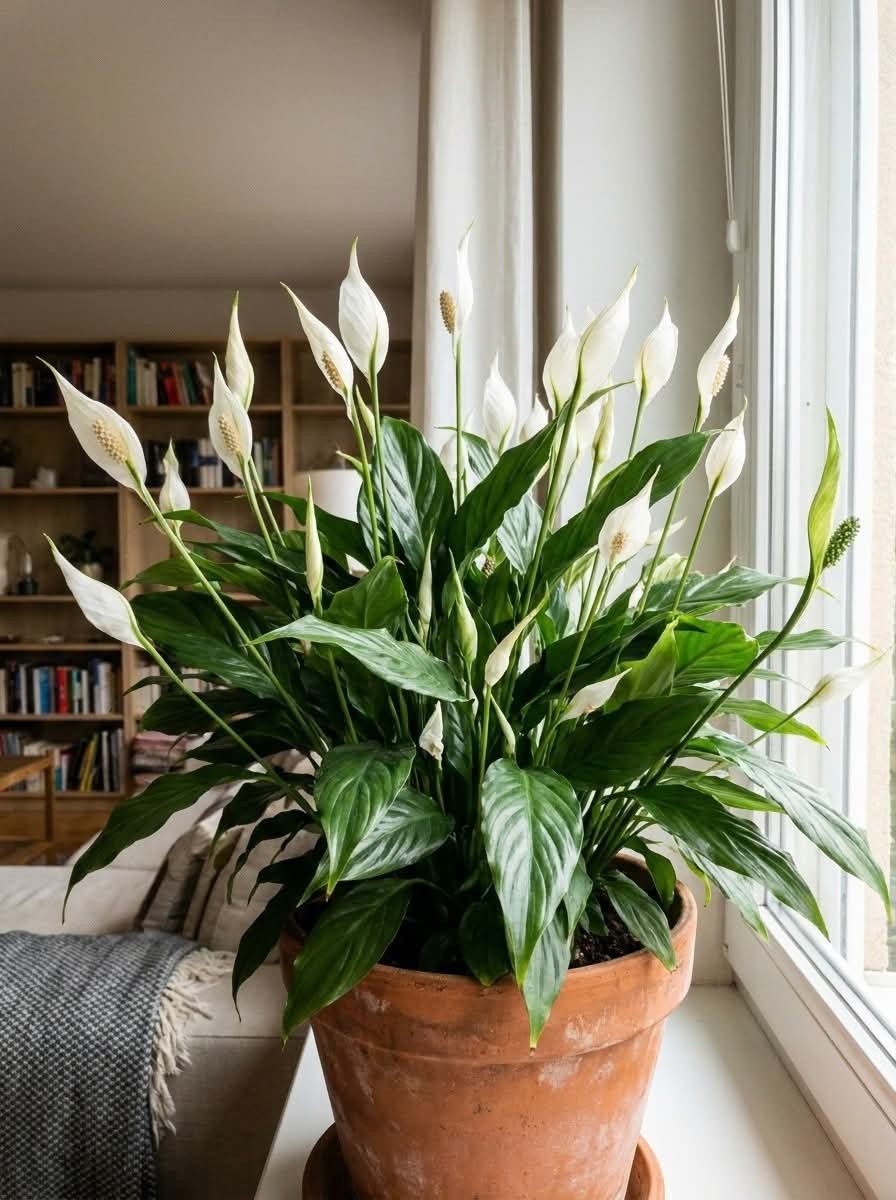
If you want to transform a classic indoor Peace Lily (Spathiphyllum)—like the lush, vibrant specimen overflowing with crisp white spathes and deep glossy foliage in the weathered terracotta pot by the window above—into a continuous flowering showstopper, upgrading your organic feeding routine is the secret. Pairing a nutrient-dense brown liquid coffee compost tea with slow-release white fertilizer granules supplies the exact microbiology, gentle acidity, and steady mineral balance needed to trigger dozens of upright white blooms, prevent brown leaf tips, and keep foliage rich and glossy.
Understanding the Peace Lily: Why Gentle Organic Feeding Matters
Native to the shaded, humid tropical rainforest floors of Central and South America, Peace Lilies thrive in rich, slightly acidic organic humus formed by decaying forest leaves and moisture-retentive bark.
Because Peace Lilies have sensitive, fine roots that react quickly to chemical salt buildup, harsh synthetic fertilizers are the number one cause of crispy brown leaf tips and stalled blooming. The Brown Liquid Coffee Compost Protocol replicates their native forest floor nutrition, feeding the plant cleanly without chemical burn.
Why This Brown Liquid Protocol Transforms Peace Lilies
Combining a brewed organic tea with controlled-release mineral granules creates a balanced two-stage feeding system that supports both lush foliage and abundant, pristine white flowers:
- The Brown Liquid Coffee Compost Tea: Steeping mature organic compost alongside a measured amount of used, cooled coffee grounds produces a dark brown liquid rich in beneficial soil microbes, humic acids, and gentle nitrogen. The used coffee grounds add trace magnesium, potassium, and a mild acidity that Peace Lilies love—helping unlock iron and nutrients in the potting mix so leaves stay deep emerald green instead of yellowing. Meanwhile, living compost microbes strengthen the root zone and stimulate repeated flower bud emergence.
- Slow-Release White Granules: Top-dressing the soil surface with balanced white slow-release granules ensures a steady, micro-dosed stream of phosphorus and potassium with every watering. This sustained nutrition gives the plant the energy to push up dozens of tall, sturdy flower stems simultaneously while keeping the white spathes bright and long-lasting.
- Aroid-Safe Synergy: Together, this organic liquid and controlled-release granule routine eliminates fertilizer shock, preventing brown leaf margins and weak, drooping stems.
How to Brew Your Brown Liquid Coffee Compost Tea at Home
Making a safe, effective batch of coffee compost tea is simple and uses basic household ingredients:
- Gather Your Base Ingredients: Combine 1 cup of finished organic compost (or earthworm castings), 2 tablespoons of used, cooled coffee grounds (avoid fresh, unbrewed grounds, which are too acidic and high in caffeine), and 1 gallon of dechlorinated, filtered, or rainwater (Peace Lilies are sensitive to chlorine and fluoride in tap water).
- Steep the Mixture: Place the compost and used coffee grounds inside a breathable mesh bag or cheesecloth and submerge it in the water.
- Brew and Aerate: Let the mixture steep for 24 to 48 hours in a shaded spot, stirring vigorously a few times a day to circulate oxygen and encourage beneficial aerobic microbes to multiply.
- Dilute to an Amber-Brown Liquid: Remove the solids and dilute the liquid with fresh filtered water if needed until it looks like weak iced tea or a translucent amber-brown liquid. Keeping the tea mild protects sensitive tropical roots.
Step-by-Step Care & Feeding Guide for Abundant White Blooms
- Top-Dress with White Granules: At the start of spring, scatter 1 teaspoon of slow-release white fertilizer granules evenly over the potting mix surface around the base of the plant. Reapply every three to four months during active growth.
- Monthly Brown Liquid Drench: Once a month throughout spring and summer, use your brewed brown liquid coffee compost tea in place of a regular watering. Pour slowly until it drains through the bottom of the terracotta pot, ensuring the entire root zone is evenly nourished.
- Bright, Indirect Window Light: Place your Peace Lily right beside a bright window with filtered light—just like the sunlit windowsill setting above. While Peace Lilies survive in low light, bright indirect light is the #1 trigger for producing twenty or more white blooms at once.
- Consistent Moisture & Breathable Terracotta: Water thoroughly with room-temperature filtered water as soon as the top inch of soil feels dry or the leaves show the slightest hint of relaxing. A classic porous terracotta pot allows excess moisture to evaporate naturally, keeping roots oxygenated and preventing root rot.
Troubleshooting Common Peace Lily Issues
- Green Flowers Instead of White: Blooms naturally turn green as they age, which is normal. However, if brand-new flowers open green, the plant is receiving slightly too much nitrogen or overly intense direct sunlight.
- Brown, Crispy Leaf Tips: This is typically caused by low humidity, tap water chemicals, or synthetic fertilizer salt buildup. Switch to filtered or rainwater and rely on mild brown liquid compost tea for gentle nutrition.
- Lots of Leaves, No Blooms: Move the plant closer to a bright, indirect window and ensure it receives a steady supply of phosphorus and potassium from slow-release white granules during spring and summer.