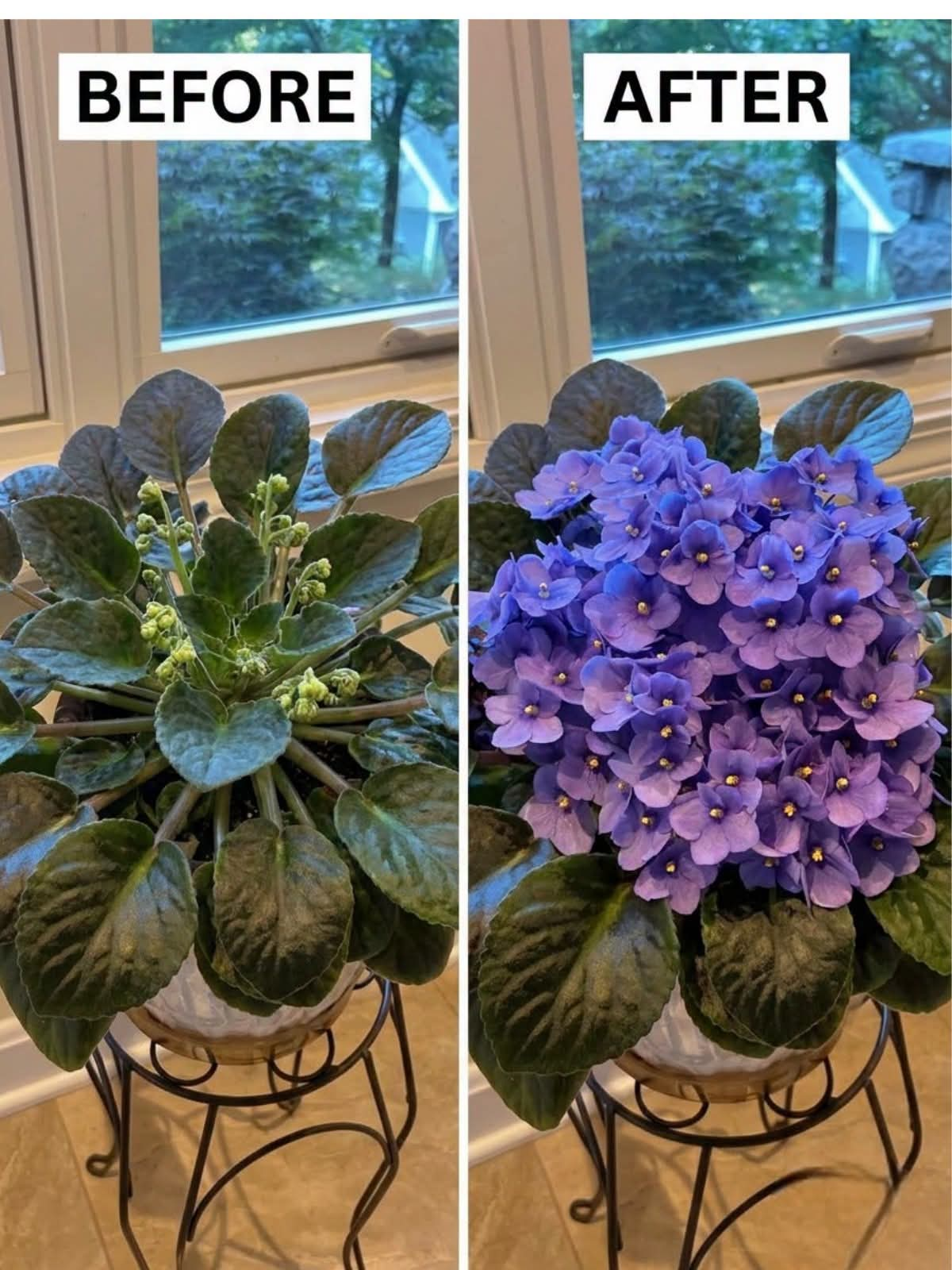
How to Encourage African Violets to Bloom Beautifully: Simple Care Tips for a Stunning Display of Purple Flowers
African violets are among the most charming houseplants you can grow indoors. Their soft, velvety leaves and delicate flowers bring color, warmth, and beauty to any room. When an African violet is healthy and happy, it can produce clusters of beautiful blooms that make a windowsill or indoor plant corner feel like a little garden.
However, many plant lovers experience the same problem: their African violet grows plenty of green leaves but produces very few flowers. Sometimes, the plant develops small flower buds that never fully open, while other times it may go months without blooming.
The good news is that encouraging an African violet to flower does not always require expensive products or complicated gardening techniques. A few adjustments to its growing conditions, watering routine, lighting, and feeding schedule can make a meaningful difference.
If you have ever admired a plant covered in beautiful purple flowers and wondered how to achieve similar results at home, this guide will walk you through the essential steps.
1. Start With the Right Lighting
Light is one of the most important factors affecting African violet flowering.
African violets need bright, indirect light to grow well and produce flower buds. A window facing east or north can provide suitable natural light, depending on the conditions in your home.
Avoid placing the plant under strong, direct afternoon sunlight. Excessive sunlight can scorch its delicate leaves, cause discoloration, and stress the plant.
If your African violet produces healthy leaves but very few flowers, insufficient light may be part of the problem.
A simple way to improve its growing environment is to move it closer to a bright window while protecting it from harsh direct sunlight.
During darker winter months, an indoor grow light can also help provide consistent lighting.
2. Water Carefully to Protect the Roots
Proper watering is essential for African violets.
These plants prefer consistently lightly moist growing conditions, but they do not tolerate sitting in waterlogged soil. Too much moisture can lead to root problems and damage the plant.
Before watering, gently check the surface of the potting mix. If it feels slightly dry, it may be time to water.
Use room-temperature water rather than very cold water, which can leave marks on the leaves.
One popular method is bottom watering. Place the pot in a shallow container of water and allow the soil to absorb moisture through the drainage holes. Once the surface becomes slightly moist, remove the pot and allow excess water to drain.
Never leave the plant standing in water for extended periods.
Try to keep water away from the center of the plant and avoid regularly soaking its velvety leaves.
3. Choose a Suitable Potting Mix
Healthy roots support healthy leaves and flowers.
African violets prefer a light, airy, well-draining potting mixture that allows oxygen to reach the roots.
A specialized African violet potting mix is a convenient option. You can also improve an appropriate potting mixture with materials such as perlite to help increase drainage and aeration.
Avoid heavy garden soil because it may retain too much moisture and become compacted.
A suitable pot should have drainage holes at the bottom. African violets generally do well in relatively small pots, so choosing an oversized container is unnecessary.
When repotting, select a container that comfortably accommodates the root system without leaving excessive unused soil around it.
4. Feed Your African Violet With the Right Fertilizer
Nutrients play an important role in healthy plant development and flowering.
An African violet fertilizer formulated for flowering houseplants can provide the nutrients the plant needs throughout its growing season.
Look for a balanced product with appropriate nitrogen, phosphorus, and potassium levels.
Follow the manufacturer’s dilution instructions carefully. Using more fertilizer than recommended will not necessarily produce more flowers. In fact, excessive feeding can damage roots and cause leaf problems.
During active growth, a diluted fertilizer may be used according to the product label. Reduce feeding when growth slows or when the plant is stressed.
Organic fertilizers can also be considered, provided they are suitable for indoor container plants and used according to their instructions.
Remember that fertilizer supports healthy growth, but it cannot compensate for insufficient light, poor drainage, or incorrect watering.
5. Remove Old Flowers and Damaged Leaves
Regular maintenance helps keep an African violet looking attractive and allows you to notice problems early.
When flowers fade, gently remove the spent flower stems using clean scissors or your fingers.
Also remove yellowing, damaged, or completely dried leaves.
Avoid removing too many healthy leaves because the plant needs them to produce energy.
Keeping the center of the plant relatively clean and allowing healthy new growth to develop can improve its overall appearance.
This simple maintenance routine also makes it easier to spot developing flower buds.
6. Maintain Comfortable Indoor Temperatures
African violets appreciate stable indoor temperatures.
Most grow comfortably in ordinary warm household conditions, generally around 65–75°F (18–24°C).
Avoid placing them near cold drafts, heating vents, air conditioners, or sudden temperature changes.
Extreme temperature fluctuations can stress the plant and interfere with flowering.
A comfortable indoor location with stable temperatures, gentle air circulation, and suitable light is usually ideal.
7. Be Patient With New Flower Buds
One of the most exciting moments for an African violet owner is noticing tiny flower buds appearing among the leaves.
These buds need time and suitable conditions to develop.
Avoid constantly moving the plant or changing its care routine when buds begin forming.
Continue providing appropriate light, careful watering, and moderate feeding.
With consistent care, those small buds may gradually open into beautiful clusters of purple, pink, white, or other colorful flowers, depending on the variety.
Common Mistakes That Can Prevent African Violets From Blooming
Even experienced indoor gardeners sometimes make mistakes that affect flowering.
Here are a few common problems to watch for:
- Too little light: The plant may produce leaves without developing many flowers.
- Overwatering: Constantly wet soil can damage the roots.
- Excessive fertilizer: Too much fertilizer can cause nutrient stress and leaf damage.
- Poor drainage: Compacted soil can prevent healthy root development.
- Oversized pots: Excess soil may remain wet longer than the roots can use it.
- Unstable temperatures: Cold drafts and sudden changes can interfere with healthy growth.
- Neglected maintenance: Old flowers and damaged leaves can make the plant look untidy.
Correcting these problems one at a time is often more effective than trying several treatments simultaneously.
A Simple Routine for More Beautiful African Violets
You do not need an elaborate gardening schedule to care for these lovely plants.
A consistent routine is often the best approach.
Every few days: Check the soil moisture and inspect the leaves for signs of stress.
Weekly: Examine the plant for fading flowers, damaged leaves, pests, and developing buds.
During active growth: Provide suitable fertilizer according to the product instructions.
Monthly: Review the plant’s lighting, growing conditions, and overall appearance.
When necessary: Remove old flowers, damaged foliage, and repot when the growing medium has deteriorated or the plant needs fresh soil.
Final Thoughts: Small Care Changes Can Make a Difference
The beauty of growing African violets is that you can enjoy their progress throughout the year. From fresh green leaves to tiny flower buds and finally colorful clusters of blossoms, every stage offers something special.
If your African violet is growing leaves but not flowering, start by reviewing its light exposure, watering habits, soil quality, and fertilizer routine.
Avoid relying on homemade mixtures or unusually strong treatments promising instant blooms. African violets respond best to suitable growing conditions and consistent, gentle care.
With patience and attention, your indoor plant may reward you with a beautiful display of flowers that brightens your home and makes all your gardening efforts worthwhile.
A little care, the right environment, and a consistent routine can go a long way toward keeping African violets healthy, attractive, and ready to bloom.