🌸 Epsom Salt for Fishbone Cactus: How to Care for Your Epiphyllum and Encourage Beautiful Pink Blooms
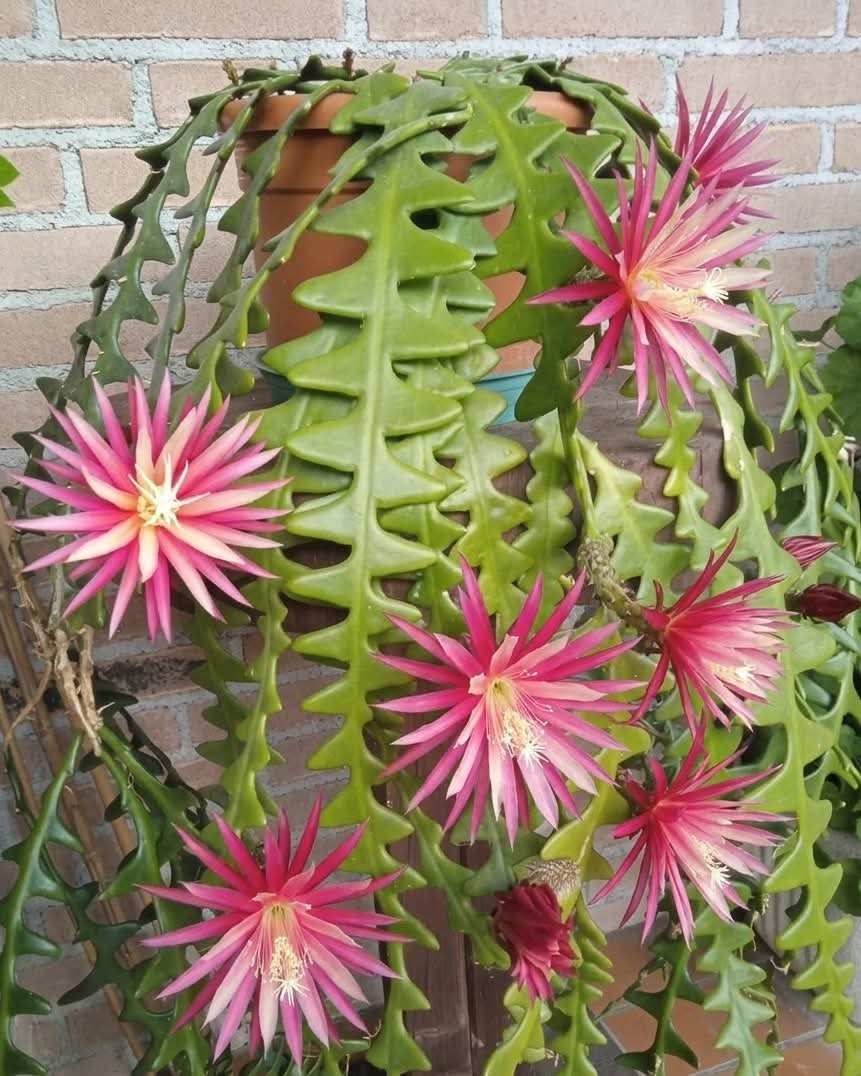
Have you ever seen a hanging cactus covered with unusual zigzag-shaped green stems and stunning pink flowers? The beautiful plant in this picture is a type of Epiphyllum, commonly associated with the fishbone cactus family. Its unique foliage and spectacular flowers make it a favorite among indoor plant collectors and gardening enthusiasts.
Many plant lovers search for natural ways to encourage stronger growth, healthier stems, and more beautiful blooms. One popular gardening topic is using Epsom salt for plants.
But can Epsom salt really help your Epiphyllum? How should it be used? And what is the best way to care for a fishbone cactus so it can produce beautiful flowers?
Let’s explore everything you need to know about Epsom salt, magnesium, watering, sunlight, soil, and flowering care.
🌿 1. Understanding Your Beautiful Epiphyllum Plant
Epiphyllum plants are tropical or subtropical epiphytic cacti. Unlike desert cacti, many Epiphyllum species naturally grow in environments where they receive filtered light, good airflow, and moisture around their roots.
They are known for:
- Long, hanging or trailing stems.
- Unusual flattened or zigzag-shaped foliage.
- Large, dramatic flowers.
- Beautiful pink, white, red, or cream-colored blooms, depending on the species.
- Their ability to create spectacular displays in hanging baskets and containers.
The fishbone-shaped stems make this plant especially attractive, even when it is not flowering.
🧂 2. What Is Epsom Salt?
Epsom salt is magnesium sulfate, a mineral compound that supplies two nutrients:
- Magnesium: An essential element involved in chlorophyll production and photosynthesis.
- Sulfur: A nutrient used in several important plant processes.
Magnesium is particularly important because it forms part of the chlorophyll molecule, which allows plants to capture light energy.
However, not every plant needs additional magnesium. If your potting mix already contains enough magnesium, adding Epsom salt may not improve growth or flowering.
It is important to understand that Epsom salt is not a complete fertilizer. It does not supply the full range of nutrients required by an Epiphyllum.
🌸 3. Can Epsom Salt Help Your Fishbone Cactus Bloom?
Magnesium deficiency can affect plant health, especially when it becomes severe. Correcting a confirmed deficiency may help a plant return to healthier growth.
However, Epsom salt is not a guaranteed flowering treatment.
Flower production in Epiphyllum depends on several factors, including:
- Adequate bright, indirect light.
- Healthy roots.
- Appropriate watering.
- A suitable growing medium.
- Balanced nutrition.
- Seasonal growth and flowering conditions.
- The maturity and health of the plant.
If your cactus is healthy and already receiving enough magnesium, additional Epsom salt is unlikely to produce more flowers.
The best strategy is to identify the actual problem before applying any supplement.
💧 4. How to Use Epsom Salt Responsibly
Before using Epsom salt on an ornamental cactus, consider whether the plant actually needs extra magnesium.
If a soil test or reliable diagnosis indicates magnesium deficiency, follow the recommendations for a suitable magnesium fertilizer.
A few important precautions:
- Do not apply concentrated Epsom salt directly to the roots or stems.
- Do not use it every time you water.
- Avoid combining several homemade fertilizer treatments.
- Do not assume yellow leaves automatically mean magnesium deficiency.
- Use a balanced fertilizer when the plant needs general nutrition.
Excess magnesium and sulfate can contribute to salt accumulation in containers and may interfere with the availability of other nutrients.
For most healthy Epiphyllum plants, a balanced fertilizer formulated for flowering houseplants or epiphytic cacti is a more complete choice.
☀️ 5. The Best Lighting for Beautiful Epiphyllum Flowers
Lighting plays a major role in the health and flowering of Epiphyllum.
These plants generally prefer bright, filtered light rather than intense direct sunlight.
Helpful lighting tips:
- Place the plant near a bright window.
- Provide gentle morning sunlight when appropriate.
- Protect the stems from harsh afternoon sun.
- Avoid keeping the plant in a very dark corner.
- Rotate the container occasionally for more even growth.
Too much direct sunlight may cause sunburn, while insufficient light can reduce healthy growth and flowering.
🪴 6. Choose the Right Soil and Pot
Epiphyllum plants need a growing medium that provides moisture while allowing excess water to drain.
A suitable mix may contain:
- Quality indoor potting mix.
- Orchid bark.
- Perlite or pumice.
- Other suitable materials that improve airflow and drainage.
Use a pot with drainage holes. A container that stays wet for too long can increase the risk of root rot.
Because these plants often have trailing stems, hanging baskets and shallow containers can also make attractive displays.
🌱 7. Watering Tips for a Healthy Fishbone Cactus
Although Epiphyllum plants appreciate more moisture than many desert cacti, they do not like permanently waterlogged soil.
Follow these simple steps:
- Check the top layer of the growing medium before watering.
- Water thoroughly when the upper layer has started to dry.
- Allow excess water to drain completely.
- Empty the saucer or outer pot.
- Reduce watering during cooler periods when growth slows.
Avoid following a rigid watering calendar. Temperature, humidity, light, pot size, and soil composition all affect how quickly the plant dries.
🌺 8. How to Encourage More Flowers Naturally
If you want your Epiphyllum to produce an impressive display of flowers, focus on its overall growing conditions.
Provide enough light: Bright, indirect light supports healthy growth and flowering.
Maintain healthy roots: Avoid waterlogged soil and containers without drainage.
Feed appropriately: During active growth, use a balanced fertilizer at the recommended strength.
Avoid overfertilizing: Excessive fertilizer can create nutrient imbalances and damage roots.
Respect seasonal changes: Some Epiphyllum varieties benefit from seasonal changes in temperature, watering, and growth conditions before flowering.
Be patient: Mature, healthy plants are more likely to flower than young or stressed plants.
🍃 9. Common Problems and How to Fix Them
Yellowing stems or foliage
Possible causes include overwatering, poor drainage, insufficient light, nutrient problems, or natural aging. Check the roots and growing conditions before adding fertilizer.
Soft or mushy stems
This can indicate excessive moisture or root rot. Reduce watering, inspect the roots, and remove damaged tissue when necessary.
Wrinkled or limp stems
The plant may be underwatered, but damaged roots can also prevent water absorption. Check the growing medium before watering again.
No flowers
Insufficient light, immaturity, excessive nitrogen, and unsuitable seasonal conditions can all contribute to poor flowering.
Brown or scorched patches
These may result from intense direct sunlight or environmental stress. Move the plant to a location with gentler filtered light.
❤️ 10. A Simple Routine for a Beautiful Flowering Epiphyllum
To maintain a healthy plant throughout the year:
- Check the growing medium regularly.
- Provide bright, indirect light.
- Water according to soil moisture.
- Use a well-draining growing mix.
- Feed moderately during active growth.
- Remove damaged or unhealthy stems with clean tools.
- Watch for pests and signs of root problems.
- Avoid unnecessary homemade fertilizer treatments.
Consistency is the real secret to maintaining a beautiful flowering cactus.
🌸 Final Thoughts: Grow More Beautiful Flowers with the Right Care!
Epsom salt is sometimes discussed as a natural gardening supplement, but it should only be used when additional magnesium is actually needed.
Your beautiful Epiphyllum deserves the right combination of light, water, healthy roots, suitable soil, and balanced nutrition.
Remember, there is no magic spoonful that guarantees instant flowers. Healthy plants develop through good growing conditions, careful observation, and patience.
With the right care, your hanging cactus can become a stunning feature in your home or garden, producing beautiful stems and spectacular flowers when conditions are right.
🌿 LOVE FLOWERING CACTI AND HOUSEPLANTS?
Follow our page for more indoor gardening ideas, cactus care guides, flowering plant tips, natural gardening discussions, and practical advice for growing healthier plants.
❤️ Like this post if you love beautiful flowering plants.
📌 Save it for your next gardening day.
🔄 Share it with friends who love cacti and houseplants.
💬 Have you ever grown an Epiphyllum? Tell us about your experience in the comments!
Let’s grow something beautiful together!