White Epsom Salt Granules for Hibiscus:
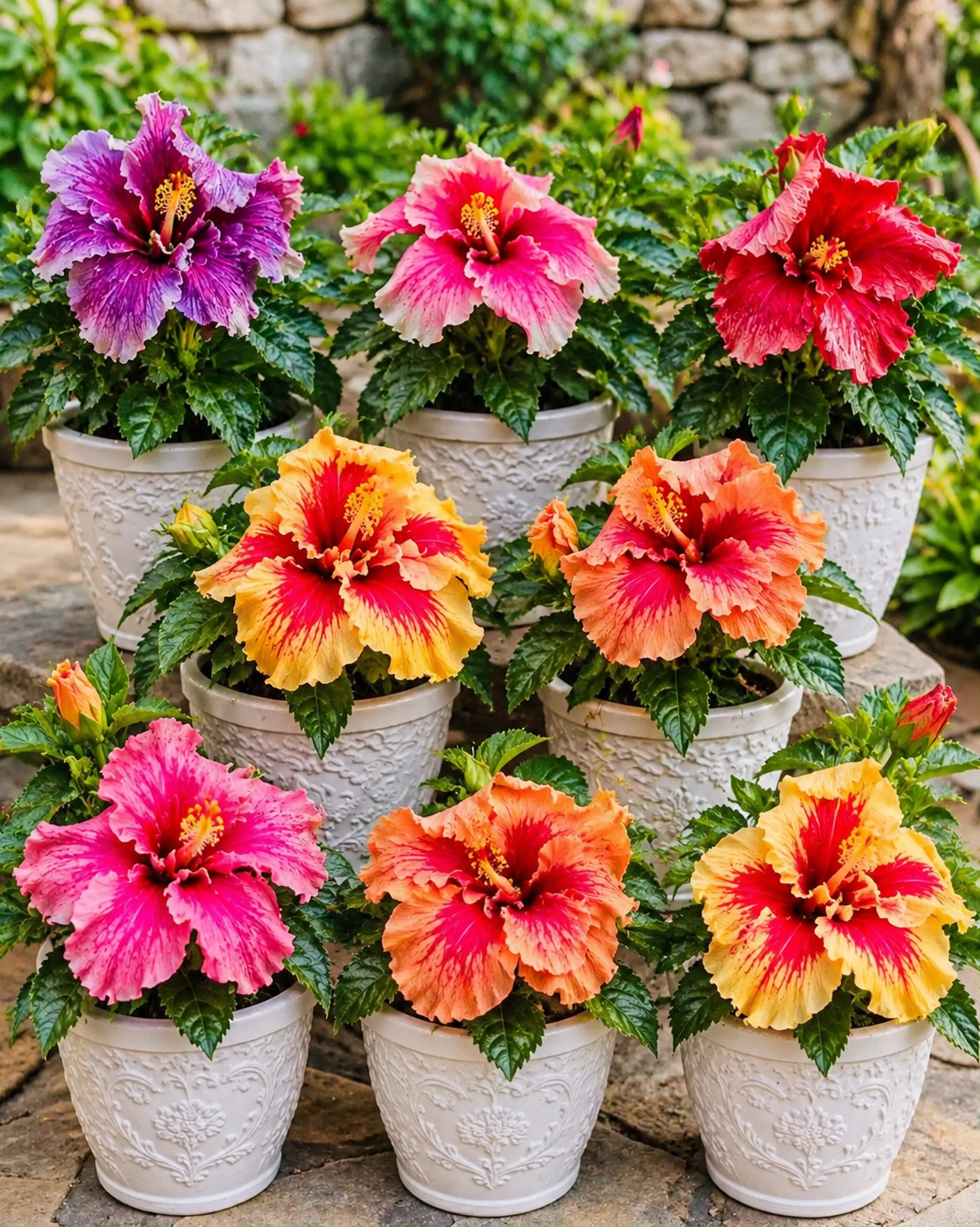
Hibiscus plants are loved for their spectacular flowers, rich green foliage, and tropical beauty. Their large, colorful blooms can transform an ordinary patio, garden, or outdoor space into a beautiful floral display. From bright red and pink flowers to orange, yellow, and purple varieties, hibiscus plants are among the most eye-catching flowering plants for containers and garden beds.
But what happens when a gardener sprinkles a few white granules around the base of a hibiscus plant?
One popular gardening ingredient often used in homemade plant-care routines is Epsom salt. These white crystals are commonly discussed by gardeners who want to support healthy foliage, improve plant appearance, and encourage beautiful flowering.
However, there is an important detail to understand before trying this method: Epsom salt is not a complete fertilizer, and it does not automatically make every hibiscus produce more flowers. Understanding what it contains, when it may help, and how to use it responsibly is essential for keeping your plants healthy.
In this guide, we will explore Epsom salt, hibiscus care, soil conditions, watering, sunlight, and the best ways to encourage strong growth and beautiful blooms.
1. Why Hibiscus Plants Need Special Attention
Hibiscus plants are known for their large, colorful flowers and attractive foliage. Although they can be relatively easy to grow under suitable conditions, they need consistent care to maintain healthy growth and produce flowers.
A hibiscus plant may develop yellowing leaves, weak growth, or fewer flowers when its growing conditions are unsuitable.
Some common reasons include:
- Insufficient sunlight.
- Irregular watering.
- Poor drainage.
- Nutrient deficiencies.
- Excessive fertilizer.
- Temperature stress.
- Pest problems.
- Incorrect pruning.
Before adding any homemade gardening ingredient, take time to understand what the plant actually needs.
A flowering plant that receives appropriate light, water, and nutrition has a much better foundation for healthy development than one that receives frequent treatments without a clear purpose.
2. What Are the White Granules Called Epsom Salt?
Epsom salt is the common name for magnesium sulfate, a mineral compound containing magnesium and sulfur.
These two nutrients have important roles in plant development.
Magnesium is a central component of chlorophyll, the green pigment that plants use to capture light during photosynthesis. A magnesium deficiency can contribute to yellowing between the veins of older leaves.
Sulfur is involved in several important plant processes, including the formation of certain amino acids and proteins.
Because magnesium and sulfur are essential plant nutrients, Epsom salt is sometimes used in gardening when a deficiency has been identified.
However, it is important to remember that Epsom salt does not supply nitrogen, phosphorus, or potassium. These are also essential nutrients, and hibiscus plants need a balanced supply of nutrients to grow properly.
Epsom salt should therefore be considered a targeted mineral supplement, not a replacement for a complete fertilizer.
3. Can Epsom Salt Help Hibiscus Plants Produce More Flowers?
This is one of the most common questions among hibiscus growers.
The answer depends on the condition of the plant and the soil.
If a hibiscus is suffering from a magnesium deficiency, correcting that deficiency may help restore normal leaf function and support healthier growth.
When the plant can photosynthesize effectively and receives all the other conditions it needs, it may be better able to support flowering.
However, adding Epsom salt to a plant that already has enough magnesium will not necessarily produce more buds or bigger flowers.
In fact, unnecessary applications can increase the mineral content of the growing medium and contribute to nutrient imbalances.
For this reason, Epsom salt should not be treated as a guaranteed flowering trick.
The best approach is to identify the cause of poor flowering before applying any supplement.
4. Why Magnesium Matters for Healthy Green Leaves
One of the most important functions of magnesium is its role in chlorophyll.
Chlorophyll allows plants to absorb the light energy needed for photosynthesis. Through this process, plants produce the energy-rich compounds that support their growth.
When magnesium is deficient, older leaves may develop a pattern of yellowing between the veins while the veins remain relatively green. This symptom is known as interveinal chlorosis.
However, yellow leaves do not always mean magnesium deficiency.
Overwatering, poor drainage, damaged roots, unsuitable soil pH, and other nutrient problems can create similar symptoms.
Before applying Epsom salt, examine the plant carefully and consider testing the soil or growing medium.
Correct diagnosis helps prevent unnecessary treatments.
5. How to Use Epsom Salt Around a Hibiscus Plant
If a magnesium deficiency has been confirmed and Epsom salt is appropriate for the growing conditions, it can be used as a magnesium and sulfur source.
The correct application depends on the plant’s size, soil conditions, growing medium, and the product instructions.
Follow these precautions:
- Use plain magnesium sulfate intended for gardening.
- Confirm that the plant actually needs additional magnesium.
- Follow an appropriate product recommendation rather than guessing the quantity.
- Avoid concentrating granules directly against the stem.
- Do not combine several homemade treatments at the same time.
- Avoid repeated applications without checking the plant’s response.
For hibiscus growing in containers, be especially careful. Minerals can accumulate in a small volume of potting mix, particularly when drainage is poor.
If you are unsure whether your plant needs magnesium, a soil test or advice from a local horticultural specialist is a safer starting point.
6. Why You Should Never Overuse Epsom Salt
Seeing white granules sprinkled around a plant may make gardening look simple, but more is not always better.
Excessive magnesium can interfere with the plant’s ability to absorb other nutrients, particularly calcium and potassium.
This can contribute to nutrient imbalances and may affect normal plant development.
Repeatedly adding mineral salts to a container can also increase the concentration of dissolved salts around the roots.
When the concentration becomes too high, roots may struggle to absorb water properly, even when the growing medium appears moist.
Possible warning signs of excessive salt accumulation include:
- Brown or scorched leaf edges.
- Unusual yellowing.
- Weak or slowed growth.
- White mineral deposits on the soil surface or pot.
- Poor plant performance despite regular watering.
If these symptoms appear, stop adding supplements and investigate the growing conditions.
Healthy hibiscus care is about balance, not adding more products.
7. The Importance of Proper Sunlight for Hibiscus Flowers
Sunlight is one of the most important factors affecting hibiscus flowering.
Most tropical hibiscus varieties grow and flower best in a bright location with several hours of direct sunlight each day.
Insufficient light can result in weak growth, fewer flower buds, and a plant that produces more foliage than flowers.
However, plants growing in very hot climates may benefit from some protection during intense afternoon heat.
If your hibiscus has been growing in shade, introduce stronger sunlight gradually. A sudden change can stress the leaves.
Watch how the plant responds to its location. Healthy new growth and consistent bud development are useful signs that the light conditions are suitable.
8. Watering Hibiscus Plants the Right Way
Watering is another essential part of hibiscus care.
Hibiscus plants generally prefer evenly moist growing conditions during active growth, but their roots should never remain in constantly saturated soil.
Too much water can reduce oxygen around the roots and contribute to root problems. Too little water can cause wilting, leaf drop, and flower buds falling before they open.
For container-grown hibiscus:
- Check the moisture level before watering.
- Water thoroughly when the upper portion of the growing medium begins to dry.
- Make sure excess water can escape through the drainage holes.
- Empty standing water from saucers.
- Adjust watering frequency according to temperature and seasonal growth.
During hot weather, containers may dry faster than garden beds. During cooler periods, the plant may use less water.
Rather than following a rigid daily schedule, observe the soil and the plant.
9. Choose the Right Soil for Strong Hibiscus Roots
A healthy root system allows hibiscus plants to absorb water and nutrients efficiently.
The growing medium should retain enough moisture to support the plant while allowing excess water to drain away.
Heavy, compacted soil can remain wet for too long and restrict airflow around the roots.
For container hibiscus, choose a quality potting mix suitable for flowering shrubs. The container should have drainage holes and enough room for the roots to develop.
Avoid placing a hibiscus in a decorative pot without drainage unless it is used as an outer cover for a properly drained nursery pot.
Good drainage is especially important when using fertilizers or mineral supplements because excess salts must be able to move out of the root zone.
10. Choose a Balanced Fertilizer for Better Hibiscus Growth
Epsom salt alone cannot provide everything a hibiscus needs.
A complete fertilizer supplies several essential nutrients, including nitrogen, phosphorus, and potassium.
Each nutrient has different functions:
Nitrogen: Supports leafy growth and the development of green foliage.
Phosphorus: Plays a role in energy transfer, root development, and reproductive growth.
Potassium: Supports water regulation, enzyme activity, and many aspects of plant health.
Hibiscus plants benefit from appropriate nutrition during their active growing season. Choose a fertilizer formulated for flowering plants or hibiscus and follow the manufacturer’s directions.
Avoid excessive nitrogen, as too much can encourage abundant leafy growth without necessarily improving flowering.
Never assume that adding extra fertilizer will make a plant bloom faster. Overfertilizing can damage roots and create additional problems.
11. How to Encourage More Hibiscus Buds Naturally
Beautiful flowers are the result of several factors working together.
If your hibiscus is healthy but producing fewer flowers than expected, review its care routine.
Provide adequate light. Make sure the plant receives enough sunlight for its variety.
Maintain consistent moisture. Avoid allowing the root ball to become extremely dry or constantly saturated.
Use suitable nutrition. Apply a balanced fertilizer at the recommended rate during active growth.
Protect the roots. Use well-draining soil and a container with drainage holes.
Inspect for pests. Aphids, whiteflies, spider mites, and other pests can weaken hibiscus plants.
Prune carefully. Remove dead or damaged branches and prune at an appropriate time for the variety.
Avoid unnecessary treatments. Do not apply Epsom salt, milk, sugar water, or other homemade mixtures simply because they are popular online.
A consistent routine is often more useful than constantly experimenting with new ingredients.
12. Common Hibiscus Growing Mistakes to Avoid
Even a beautiful hibiscus can struggle when its basic requirements are overlooked.
Here are some common mistakes to watch for:
Mistake 1: Using Epsom Salt Without Identifying a Deficiency
Magnesium is essential, but additional magnesium is not automatically beneficial. Test the soil or investigate symptoms before supplementing.
Mistake 2: Overwatering
Constantly wet soil can damage roots and reduce the plant’s ability to absorb nutrients.
Mistake 3: Growing in Poor Light
A hibiscus that does not receive enough light may produce fewer flowers.
Mistake 4: Applying Too Much Fertilizer
Excess nutrients can cause root damage and interfere with nutrient balance.
Mistake 5: Ignoring Pests
Check the undersides of leaves and new growth regularly for insects and signs of damage.
Mistake 6: Using Poorly Drained Containers
A pot without drainage can create an unhealthy root environment.
Mistake 7: Expecting Immediate Results
New buds and flowers develop according to the plant’s natural growth cycle. No mineral supplement can guarantee instant flowering.
13. A Simple Seasonal Hibiscus Care Routine
A regular care routine makes it easier to notice changes before they become serious problems.
During Active Growth
- Check the soil moisture regularly.
- Provide suitable sunlight.
- Use a balanced fertilizer according to its label.
- Inspect leaves and stems for pests.
- Remove dead or damaged growth.
During Hot Weather
- Monitor containers more frequently because they can dry quickly.
- Protect plants from extreme heat when necessary.
- Avoid applying fertilizer to severely stressed or dehydrated plants.
- Maintain good airflow around the foliage.
During Cooler Weather
- Reduce watering as the plant’s growth slows.
- Avoid keeping the soil constantly wet.
- Protect tropical hibiscus from cold temperatures.
- Stop unnecessary feeding when the plant is not actively growing.
Throughout the Year
- Maintain suitable drainage.
- Monitor leaf color and new growth.
- Check for signs of nutrient deficiencies.
- Avoid excessive mineral supplements.
- Adjust care according to the variety and local climate.
14. What If You Have Already Sprinkled Epsom Salt on Your Hibiscus?
If you have already applied a small amount, there is no need to panic.
A single application does not automatically mean the plant will be damaged.
The important thing is to avoid adding more until you understand whether magnesium is actually needed.
Check the amount applied, the condition of the soil, and whether the container drains properly.
If a large quantity was added to a small pot, or if you notice white deposits and signs of plant stress, consider getting advice about removing excess salts from the growing medium.
Do not add more fertilizer or another homemade mixture to compensate.
Give the plant stable growing conditions and observe its response.
15. Can Epsom Salt Be Used on Other Flowering Plants?
Epsom salt is often discussed for roses, tomatoes, peppers, hibiscus, and other garden plants.
However, the same principle applies to all of them: magnesium sulfate is useful when magnesium or sulfur is needed, not simply because a plant produces flowers.
Different plants have different nutritional requirements, and their soil conditions may vary considerably.
For example, a plant growing in magnesium-deficient soil may respond positively to an appropriate correction. A plant already receiving sufficient magnesium may show no benefit.
Testing the growing medium is more reliable than applying Epsom salt to every plant in the garden.
Final Thoughts: The Real Secret to Beautiful Hibiscus Blooms
Those colorful hibiscus flowers are a wonderful reminder of how beautiful a well-maintained garden can be.
Epsom salt may have a place in plant care when a magnesium deficiency is present, but it is not a magic flowering booster. Sprinkling white granules around the base will not automatically create more buds, larger flowers, or healthier roots.
For the best results, focus on the fundamentals: suitable sunlight, consistent watering, well-draining soil, balanced nutrition, and regular pest inspections.
If your hibiscus needs magnesium, use Epsom salt carefully and according to appropriate guidance. If it does not, adding more may create an unnecessary nutrient imbalance.
A thriving hibiscus does not need every gardening trick. It needs the right care, at the right time, in the right amount. 🌺
Keep observing your plant, understand its growing needs, and enjoy every new leaf, bud, and beautiful bloom along the way!