Can Homemade Compost Tea with Coffee Help Your Rhipsalis Grow Fuller and Greener? 🌿☕
The Rhipsalis, commonly known as the Mistletoe Cactus, is a beautiful tropical cactus admired for its unusual branching stems, delicate appearance, and graceful cascading growth. Unlike desert cacti, this fascinating plant naturally grows in tropical forests, where it often lives on trees and receives filtered sunlight.
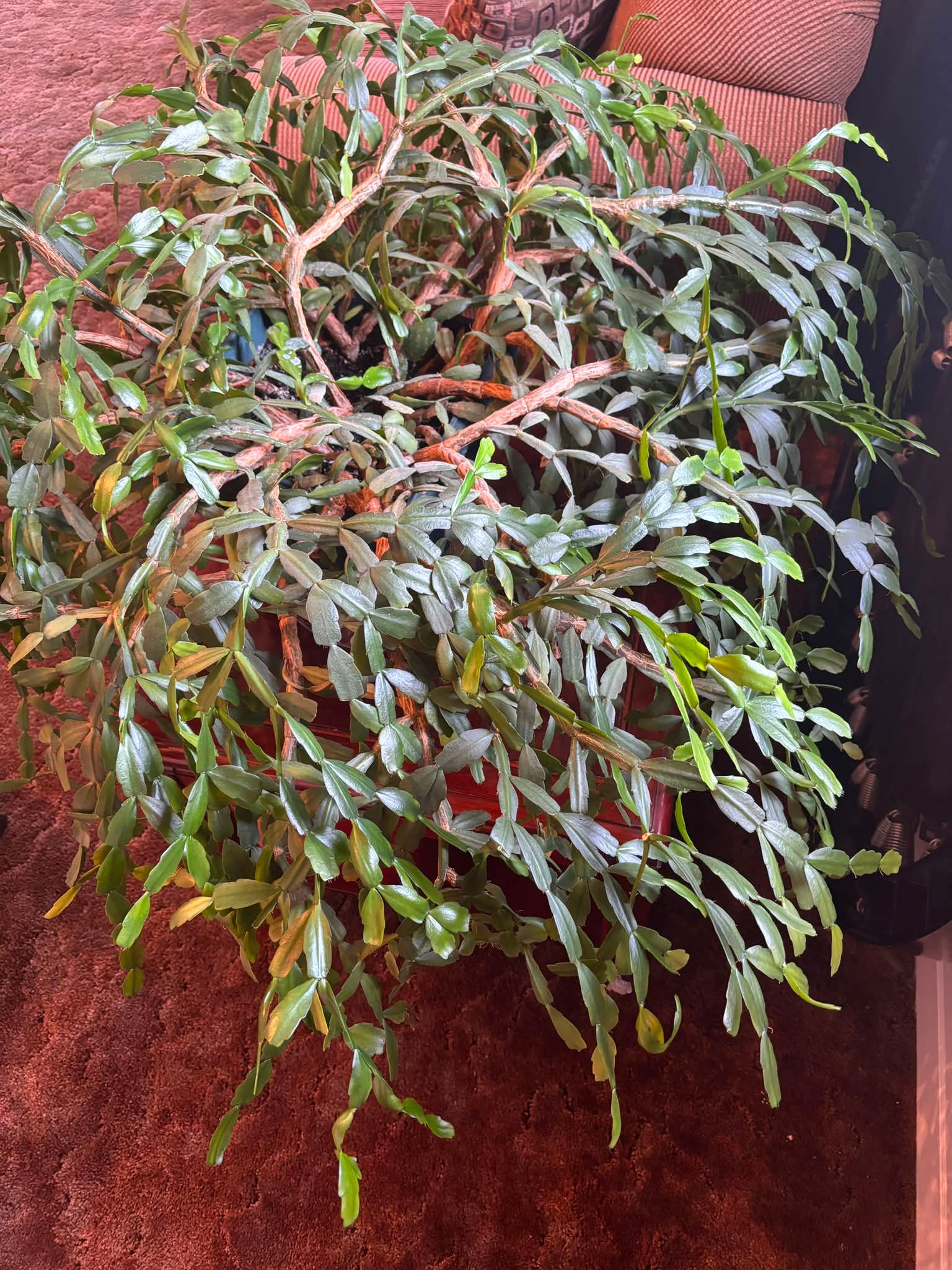
Its long, branching stems create a wonderful flowing shape, making it an excellent choice for hanging baskets, decorative pots, and indoor plant displays. A mature Rhipsalis can become remarkably full, with dozens of branches spreading in different directions and creating a lush green appearance.
But what happens when you pour a homemade brown liquid around the base of this beautiful plant? Could compost tea made with coffee help support healthy growth? Many gardening enthusiasts are interested in natural fertilizers and homemade plant mixtures, especially those prepared from everyday organic materials.
Let’s explore the benefits and limitations of compost tea, understand the role of coffee in gardening, and discover how to care for a beautiful Rhipsalis so it can produce healthy new growth.
1. What Is Homemade Compost Tea?
Compost tea is a liquid preparation made by steeping mature compost in water. During this process, some soluble nutrients and microorganisms may move from the compost into the liquid.
Depending on the compost and preparation method, the finished liquid can have a light brown, dark brown, or amber appearance.
Gardeners sometimes use compost tea as part of their organic gardening routines because mature compost contains decomposed organic matter and a variety of nutrients.
However, the quality of compost tea depends on the materials used and how it is prepared. Not every brown liquid is a suitable plant fertilizer.
A properly managed composting process is important, especially when preparing mixtures intended for indoor plants.
2. Why Do Gardeners Add Coffee to Compost Tea?
Coffee is one of the most frequently discussed ingredients in homemade gardening recipes.
Used coffee grounds contain organic matter and small quantities of nutrients, including nitrogen. Nitrogen is important for the development of healthy stems and foliage because it contributes to chlorophyll production and several essential plant processes.
Coffee grounds can also be added to a compost pile, where they break down as part of the organic material.
However, coffee grounds are not a complete fertilizer. They do not provide every nutrient a plant needs in balanced proportions.
There is also an important difference between brewed coffee and used coffee grounds. They have different compositions, and neither should automatically be considered a reliable fertilizer.
For indoor plants, adding excessive coffee grounds directly to the pot can create problems. A thick layer may interfere with airflow, retain moisture, and encourage mold growth.
A well-managed composting process is generally a better way to recycle coffee grounds than placing large quantities directly around the roots.
3. What Does Compost Contribute to Plant Growth?
Mature compost is valuable because it contains decomposed organic matter and can contribute to the overall quality of suitable growing media.
Depending on its composition, compost may provide small amounts of nutrients and support beneficial soil microorganisms.
For plants growing in containers, however, compost must be used carefully. Too much can make the growing medium dense or retain excessive moisture.
This is especially important for Rhipsalis because its roots need a balance of moisture and airflow.
A suitable growing mix should remain lightly moist when appropriate but should never stay waterlogged.
4. Can Brown Compost Tea Make Rhipsalis Grow Faster?
This is one of the most interesting questions for anyone growing a Mistletoe Cactus.
Rhipsalis develops new growth through branching stems. When the plant receives suitable light, moisture, and nutrition, fresh segments can gradually appear and extend from existing branches.
A healthy plant can become fuller over time, producing longer stems and a beautiful cascading appearance.
Compost tea may provide some soluble nutrients, depending on its preparation, but it does not guarantee faster growth.
Coffee does not act as a magical growth stimulant, and pouring a brown liquid onto the soil will not automatically cause new branches to appear.
If your Rhipsalis is growing slowly, consider its overall growing conditions before adding homemade mixtures.
The most important factors include:
- Suitable bright, indirect light.
- Consistent but careful watering.
- A well-draining, airy growing medium.
- Healthy roots.
- Appropriate temperatures.
- Balanced nutrition when needed.
These conditions provide a much stronger foundation for healthy growth than relying on a single homemade ingredient.
5. Understanding the Natural Beauty of Rhipsalis
One of the most attractive features of Rhipsalis is its unusual branching structure.
Its stems can grow in different directions, producing a dense network of green branches that gradually cascade over the sides of the pot.
Depending on the species, the stems may be rounded, flattened, segmented, or slightly angular.
Some varieties also produce tiny flowers followed by small decorative berries.
Unlike desert cacti, Rhipsalis is adapted to tropical forest environments. It naturally grows in places where sunlight is filtered through tree branches and where humidity is often higher than in desert habitats.
Understanding this natural environment helps explain why its care requirements are different from those of many traditional cacti.
6. The Best Lighting for Healthy Green Stems
Light is one of the most important factors influencing Rhipsalis growth.
Although this plant appreciates good natural light, strong direct sunlight can damage its delicate stems.
A bright location with filtered or indirect sunlight is generally suitable.
An east-facing window can be an excellent location because it often provides gentle morning light. A bright room with filtered afternoon sunlight may also work well.
If the plant receives too little light, its growth may become weaker, slower, or less compact.
Try to maintain a consistent location rather than moving the plant frequently between very different lighting conditions.
7. How to Water Rhipsalis Correctly
Watering is another essential part of successful Rhipsalis care.
Although it belongs to the cactus family, this tropical plant generally appreciates more regular moisture than desert cacti.
The growing medium should not remain completely dry for excessively long periods during active growth. At the same time, the roots should never sit in constantly wet soil.
A useful watering routine includes:
- Checking the growing medium before watering.
- Watering when the upper portion begins to dry.
- Allowing excess water to drain freely.
- Avoiding standing water in decorative outer pots.
- Adjusting watering frequency according to temperature, light, and season.
Overwatering can cause root damage, weak growth, and stem discoloration.
If the branches begin looking soft or unhealthy, examine the roots and growing medium rather than immediately adding fertilizer.
8. Does Coffee Provide Enough Nutrients for Rhipsalis?
Coffee grounds contain some nutrients, but their quantities and availability vary.
They cannot reliably replace a balanced fertilizer formulated for houseplants or epiphytic cacti.
Plants require several essential nutrients, including:
- Nitrogen: Supports foliage and stem development.
- Phosphorus: Contributes to energy transfer and normal plant development.
- Potassium: Helps regulate water balance and several metabolic processes.
- Magnesium: Plays an important role in photosynthesis.
- Calcium: Supports cell walls and growing tissues.
- Sulfur: Contributes to the formation of proteins and other important compounds.
A homemade coffee mixture may contain some of these elements, but it does not necessarily provide them in the proportions required by the plant.
For more predictable results, use a suitable balanced fertilizer at the recommended dilution and frequency.
9. How to Encourage Fuller, Longer Branches
If you want your Rhipsalis to develop a fuller appearance, concentrate on maintaining healthy growing conditions.
First, provide enough bright, indirect light. Good lighting helps the plant maintain strong, attractive stems.
Second, choose an airy growing medium that drains well while retaining some moisture. A suitable mix for epiphytic cacti can help provide the right balance.
Third, avoid excessive watering. Healthy roots are essential for producing new branches.
You can also gently prune selected healthy stem tips when necessary. This may encourage branching and help create a more balanced shape.
Always use clean pruning tools, and avoid removing too much growth at once.
With time, the plant can develop a fuller structure with branches extending naturally in different directions.
10. Common Mistakes When Using Coffee and Compost Tea
Homemade gardening mixtures can be interesting, but using them without understanding their effects may create problems.
Here are some important mistakes to avoid:
Using too much coffee: Excessive coffee grounds can create a dense layer on the growing medium and encourage mold.
Using unfinished compost: Immature compost may contain unstable organic materials and can create unpleasant conditions around the roots.
Pouring concentrated mixtures: Homemade liquids can vary greatly in nutrient concentration.
Using spoiled liquids: Unpleasant odors, visible mold, or signs of uncontrolled fermentation indicate that a mixture should not be used.
Watering too frequently: Rhipsalis needs moisture, but constantly wet roots can become damaged.
Expecting instant growth: New branches develop naturally over time and cannot be guaranteed by a single fertilizer application.
Ignoring drainage: A decorative pot without proper drainage can trap excess water and increase the risk of root problems.
11. A Beautiful Gardening Video: Pouring Brown Compost Tea
Imagine a mature Rhipsalis displayed in a decorative pot, with dozens of long green branches spreading gracefully in every direction.
The plant sits in a cozy indoor setting with warm natural light falling across its foliage. Its dense branching structure creates a beautiful contrast against the surrounding background.
A hand slowly pours a rich brown liquid over the soil near the base of the plant.
The liquid flows gently across the growing medium, creating a satisfying close-up gardening moment. The camera captures the warm brown color of the liquid, the texture of the soil, and the delicate green stems.
The entire scene remains natural and realistic, with the same plant, pot, background, lighting, and camera angle throughout the video.
This type of visual can make an engaging gardening reel because it combines a familiar homemade gardening idea with the beautiful appearance of a mature tropical cactus.
However, it is important not to suggest that compost tea causes instant growth or guarantees new branches. Healthy plant development takes time and depends on several growing conditions.
12. The Best Everyday Care Routine for Rhipsalis
To help your Mistletoe Cactus remain healthy and attractive, follow these simple recommendations:
- Place it in bright, indirect light.
- Use an airy growing mix suitable for epiphytic cacti.
- Water when the upper layer of the growing medium begins to dry.
- Make sure the container has proper drainage.
- Maintain comfortable temperatures and moderate humidity.
- Avoid strong direct sunlight.
- Use balanced fertilizer sparingly during active growth.
- Remove damaged stems with clean pruning tools.
- Inspect the plant regularly for pests and signs of root problems.
- Give the plant time to develop its natural cascading shape.
Final Thoughts: A Healthy Rhipsalis Begins with Consistent Care
The Rhipsalis is a wonderful plant for anyone who enjoys unusual foliage and beautiful cascading growth. Its delicate branches, tropical appearance, and relatively adaptable nature make it a special addition to an indoor garden.
Homemade compost tea made with mature compost and coffee can be an interesting topic for organic gardening enthusiasts. Coffee grounds can contribute organic matter to compost, while finished compost may provide some nutrients.
However, homemade compost tea is not a guaranteed growth booster, and coffee alone cannot replace balanced plant nutrition.
The best way to support a beautiful Rhipsalis is to provide suitable light, careful watering, an airy growing medium, and appropriate nutrients when necessary.
Be patient, observe your plant, and make small adjustments when needed. Healthy roots and consistent care are the real foundation of beautiful green branches and vigorous cascading growth.
Do you love the lush, cascading appearance of Rhipsalis? 🌿☕ Share this gardening guide with other plant lovers and follow for more indoor gardening tips, composting ideas, natural plant-care inspiration, and beautiful houseplant advice!