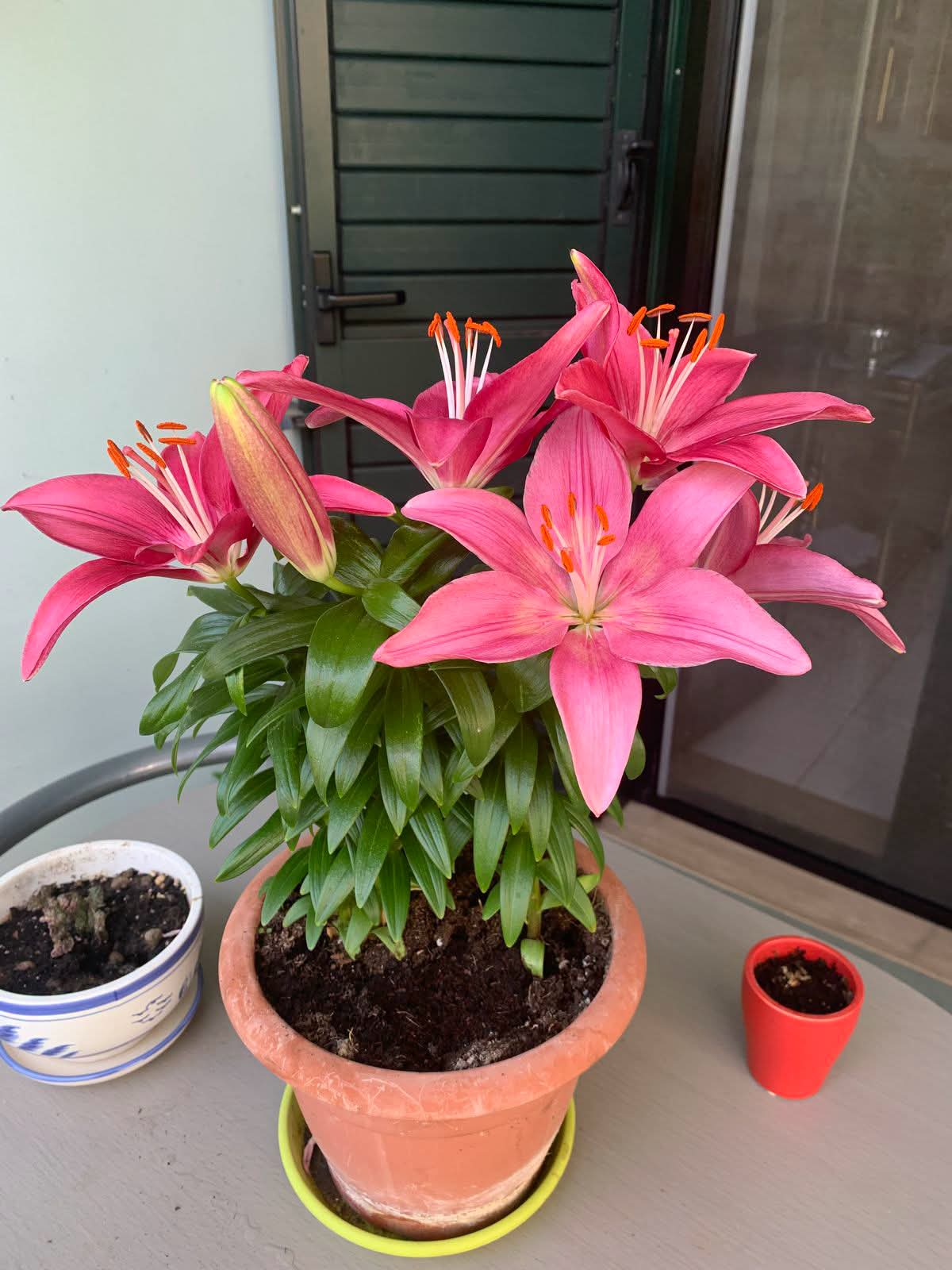
Compost Tea, Coffee, and Honey for Pink Lilies:
Pink lilies are among the most beautiful flowering plants you can grow in containers. Their large, elegant flowers, vibrant pink petals, and fresh green foliage create an impressive display on balconies, patios, and sunny garden spaces.
Seeing a potted lily covered with beautiful flowers is one of the most rewarding experiences for any gardening enthusiast. However, keeping lilies healthy and encouraging them to bloom successfully requires more than simply watering them. They need suitable sunlight, well-draining soil, balanced nutrition, and the right growing conditions.
Some gardeners enjoy experimenting with homemade gardening mixtures made from compost tea, coffee, and small amounts of honey. These ingredients are often discussed in natural gardening conversations, especially by people interested in organic soil care.
But what can these ingredients actually do? Can compost tea support soil health? Is coffee suitable for flowering plants? Does honey help lilies grow? And what should you know before pouring any homemade mixture into your flowerpot?
In this guide, we will explore these questions and explain how to care for pink lilies so they can develop healthy foliage and produce beautiful flowers.
1. Understanding the Pink Lily
Lilies belong to the genus Lilium and are popular flowering plants known for their large, colorful blooms.
Depending on the variety, lilies can produce flowers in shades of pink, white, red, orange, and yellow. Their flowers often have prominent stamens, attractive petals, and a pleasant fragrance.
Potted lilies can grow successfully when their basic requirements are met.
A healthy lily generally needs:
- Bright light and suitable sunlight.
- Well-draining, fertile soil.
- Consistent but careful watering.
- Adequate nutrients during active growth.
- Good air circulation.
- A container with drainage holes.
The plant in the picture has beautiful pink flowers, green foliage, and several developing buds. These are features that make container-grown lilies especially attractive.
To maintain this appearance, it is important to protect the roots and provide the plant with stable growing conditions.
2. What Is Compost Tea?
Compost tea is a liquid preparation made by steeping mature compost in water.
Depending on the quality of the compost and the preparation process, it may contain soluble nutrients and microorganisms. Some gardeners use it as an optional addition to their soil-care routine.
Compost tea is not a standardized fertilizer. Its nutrient content can vary considerably depending on the compost materials, water quality, preparation conditions, and storage.
This is why it should not be treated as a guaranteed solution for bigger flowers or faster growth.
For flowering plants such as lilies, the most important factors remain suitable light, healthy roots, good drainage, and balanced nutrition.
If you choose to use compost tea, use mature, properly prepared compost and avoid liquids that smell rotten or show signs of spoilage.
3. Why Do Gardeners Add Coffee to Homemade Plant Mixtures?
Coffee is another ingredient frequently discussed in gardening communities.
Used coffee grounds contain organic material and small amounts of nutrients. However, they are not a complete fertilizer, and their effects depend on how they are used.
There is an important difference between brewed coffee and used coffee grounds.
Brewed coffee: Leftover coffee may contain caffeine and other compounds. Its acidity and composition vary, so it should not automatically be poured onto flowering plants.
Used coffee grounds: These contain organic matter and can be incorporated into compost in moderate quantities. However, thick layers of grounds placed directly on potting soil may become compacted and interfere with water movement.
Coffee grounds should not be considered a reliable way to make lilies produce more flowers.
For potted lilies, a suitable flowering-plant fertilizer is a more predictable source of essential nutrients.
4. What About Adding Honey?
Honey is sometimes included in homemade gardening recipes because it contains natural sugars.
Some people believe that these sugars may provide an energy source for microorganisms. However, honey is not a proven fertilizer for lilies, and there is limited reliable evidence that adding it to compost tea improves flowering or root development.
Plants produce their own sugars through photosynthesis. They do not need honey poured into their soil to create energy.
Excessive sugar in potting soil may encourage unwanted microbial activity, attract insects, or create unfavorable conditions around the roots.
For this reason, honey should not be treated as an essential ingredient in a lily-care mixture.
If your goal is to support soil health, concentrate on mature compost, suitable growing media, and careful watering rather than adding unnecessary sweet ingredients.
5. Can Compost Tea, Coffee, and Honey Be Combined?
These ingredients are sometimes combined in homemade gardening recipes, but combining them does not automatically create a beneficial plant fertilizer.
Each ingredient has different characteristics:
- Compost tea has variable soluble nutrients and microorganisms.
- Coffee grounds contain organic matter and small amounts of nutrients.
- Honey contains concentrated sugars.
Their effects depend on the quantities, preparation, and growing environment.
There is no established universal recipe proving that this combination makes lilies grow taller, develop stronger roots, or produce more flowers.
For indoor or container-grown lilies, adding an unknown mixture can make it harder to understand what is affecting the plant.
A safer approach is to avoid adding honey and leftover coffee to the potting soil. Use a properly prepared compost product or a balanced fertilizer formulated for flowering plants, following its instructions.
6. How to Care for Pink Lilies in Pots
Beautiful blooms begin with good growing conditions.
Lilies need a suitable environment where their roots can develop without remaining waterlogged.
Choose a Suitable Container
The pot should be large enough to accommodate the roots and provide stability as the plant grows.
Most importantly, it must have drainage holes.
Without proper drainage, excess water can collect around the roots and increase the risk of root rot.
A saucer can be placed underneath the pot, but standing water should be emptied after watering.
Use Well-Draining Soil
Lilies generally prefer fertile soil that retains some moisture while allowing excess water to escape.
A suitable potting mix should provide:
- Good drainage.
- Enough organic matter.
- Adequate aeration.
- A stable environment for root development.
Avoid heavy soil that remains saturated for long periods.
Provide Appropriate Light
Light is essential for healthy foliage and flowering.
Many lilies perform well in a bright location with several hours of suitable sunlight, although the exact requirements depend on the variety and local climate.
In hot climates, strong afternoon sunlight may damage leaves or cause the growing medium to dry too quickly.
Observe your plant and adjust its position if the leaves show signs of heat or sun stress.
7. How to Water Lilies Correctly
Watering is one of the most important parts of caring for container-grown lilies.
The soil should remain moderately moist during active growth, but it should never stay constantly waterlogged.
A practical watering routine includes:
- Check the soil before watering.
- Water when the upper layer begins to dry.
- Apply water around the soil rather than repeatedly soaking the flowers.
- Allow excess water to drain through the bottom of the pot.
- Empty any standing water from the saucer.
- Adjust watering frequency according to temperature and season.
During warm weather, the plant may need water more frequently. During cooler periods, the soil may dry more slowly.
Avoid following a rigid daily watering schedule. The condition of the soil is a better guide.
8. How to Encourage More Beautiful Lily Flowers
The goal of many lily owners is to enjoy a strong plant with multiple flowers and healthy buds.
Although no homemade mixture can guarantee more blooms, several growing practices can support successful flowering.
Provide sufficient light: Appropriate sunlight supports photosynthesis and flower development.
Maintain healthy roots: Well-draining soil helps reduce the risk of root problems.
Use balanced nutrition: A fertilizer designed for flowering plants can provide essential nutrients when applied according to the label.
Water consistently: Avoid severe drying and prolonged waterlogging.
Protect developing buds: Avoid damaging stems or moving the plant repeatedly while buds are developing.
Remove fading flowers: Once individual flowers have finished blooming, remove them carefully while keeping healthy foliage intact.
Remember that lilies need their leaves to produce energy and support the bulb. Do not cut down healthy foliage immediately after flowering.
9. Why Are My Lily Leaves Turning Yellow?
Yellow leaves can have several causes.
Before applying any homemade fertilizer, inspect the plant carefully.
Possible reasons include:
- Excessive watering.
- Poor drainage.
- Insufficient light.
- Nutrient deficiencies.
- Temperature stress.
- Natural aging of older leaves.
- Root damage.
- Pest problems.
If only a few lower leaves turn yellow while the rest of the plant looks healthy, it may be part of the natural aging process.
However, widespread yellowing or soft stems may indicate a more serious problem.
Check the moisture level of the soil and make sure the pot drains properly.
Adding more fertilizer without identifying the cause may make the situation worse.
10. What Is the Best Fertilizer for Pink Lilies?
Lilies benefit from balanced nutrition during their active growing period.
A reputable fertilizer formulated for flowering plants or bulbs is generally a more reliable option than an untested kitchen mixture.
When choosing a fertilizer, consider:
- A clearly stated nutrient composition.
- Instructions suitable for flowering plants.
- Appropriate dilution for container use.
- Guidance on how often to apply it.
Always follow the manufacturer’s instructions.
Do not assume that a stronger concentration will produce bigger flowers. Excessive fertilizer can damage roots and may encourage foliage growth at the expense of flowering.
If your potting mix already contains fertilizer, you may not need to feed the plant immediately.
11. Should Coffee Grounds Be Added Directly to Lily Soil?
Coffee grounds can be useful in composting, but placing large quantities directly around the base of a potted lily is not recommended.
Thick layers may become compacted, retain too much moisture, and interfere with the movement of water and air.
If you want to recycle used coffee grounds, adding moderate quantities to a properly managed compost pile is generally a better approach.
The finished compost can then be used as part of a suitable growing medium.
Do not assume that coffee grounds alone provide all the nutrients a flowering lily needs.
12. Common Mistakes When Using Homemade Plant Treatments
Homemade gardening ideas can be interesting, but not every kitchen ingredient is suitable for every plant.
Here are some mistakes to avoid:
Using too much honey: Concentrated sugars can encourage unwanted microbial activity and attract insects.
Pouring leftover coffee into the pot: Its composition and acidity are variable, and it is not a balanced fertilizer.
Using unfinished compost: Immature compost may create unpleasant conditions around the roots.
Applying too much liquid: Excess moisture can contribute to root problems.
Mixing several ingredients without knowing their effects: Combining ingredients does not guarantee a better result.
Expecting instant flowering: Flower development depends on the plant’s variety, maturity, season, and growing conditions.
The safest gardening routine is one that uses suitable products in appropriate amounts.
13. How to Maintain Lilies After Flowering
When the flowers begin to fade, many gardeners wonder what to do next.
Do not remove all the green leaves simply because the flowers have finished.
Healthy foliage continues producing energy that supports the bulb and future growth.
After flowering:
- Remove individual faded flowers.
- Keep healthy green leaves intact.
- Continue watering according to soil moisture.
- Avoid excessive fertilizer.
- Allow the foliage to die back naturally when the plant enters its normal resting period.
- Follow the care requirements of your particular lily variety.
Some potted lilies can return in future growing seasons when their bulbs receive suitable care and seasonal conditions.
14. A Simple Routine for Healthy Container Lilies
You do not need complicated homemade recipes to maintain a beautiful flowering plant.
Try following this simple routine:
Regularly: Inspect the leaves, stems, flowers, and soil.
Before watering: Check whether the upper layer of the growing medium has begun to dry.
During active growth: Provide appropriate light and use a suitable fertilizer according to its instructions.
After flowering: Remove faded flowers but preserve healthy foliage.
When the plant shows signs of stress: Check watering, drainage, sunlight, and pests before applying any treatment.
When repotting is necessary: Choose fresh, suitable soil and a container with adequate drainage.
Consistency is more valuable than repeatedly changing the plant’s growing conditions.
15. Final Thoughts: Beautiful Pink Lilies Start With Healthy Growing Conditions
Pink lilies can transform an ordinary balcony or patio into a colorful and welcoming space.
Their elegant flowers and fresh green leaves make them rewarding plants to grow, especially when they receive the care they need.
Compost tea, coffee, and honey are sometimes discussed as ingredients in homemade gardening recipes. However, their combination is not a scientifically established lily fertilizer. Compost tea may be an optional soil-care product, while coffee grounds are better suited to properly managed composting. Honey is unnecessary and should not be relied upon to improve flowering.
For stronger growth and beautiful blooms, focus on the fundamentals: suitable sunlight, well-draining soil, careful watering, healthy bulbs, and balanced nutrition.
A little observation and consistent care can make a real difference over time.
Save this guide for your next gardening day, share it with another flower lover, and keep discovering practical ways to care for your favorite flowering plants!
Frequently Asked Questions
Can I pour compost tea, coffee, and honey onto my pink lilies?
This combination is not a proven fertilizer, and adding honey or leftover coffee to potting soil may create unwanted problems. If you choose to use compost tea, use a properly prepared product cautiously and avoid unnecessary additives.
Does compost tea make lilies produce more flowers?
There is no guarantee that compost tea will increase flowering. Light, healthy bulbs, suitable soil, watering, and balanced nutrition are more important.
Are coffee grounds good for lilies?
Used coffee grounds can be added in moderate quantities to a properly managed compost pile. Thick layers placed directly on potting soil are not recommended.
Does honey help flowering plants grow?
Honey is not a complete plant fertilizer, and there is limited reliable evidence that it improves lily growth or flowering. It is not necessary for plant care.
How often should I water a potted lily?
Water according to soil moisture. Keep the growing medium moderately moist during active growth, but allow excess water to drain freely.
Why are my lily buds not opening?
Possible causes include insufficient light, environmental stress, watering problems, or the normal timing of flower development. Check the plant’s growing conditions before adding fertilizer.
What fertilizer is best for container lilies?
Use a reputable fertilizer suitable for flowering plants or bulbs, and follow the manufacturer’s application instructions.
Should I cut lily leaves after the flowers fade?
Keep healthy green leaves after flowering. They help the plant produce energy and support the bulb.
Pink lily care, compost tea for lilies, coffee grounds for flowering plants, honey and compost tea gardening, natural gardening ideas, potted lily care, how to grow pink lilies, flowering plant fertilizer, lily watering tips, healthy lily leaves, container flower gardening, organic gardening methods, lily bulb care, indoor and patio flowers.