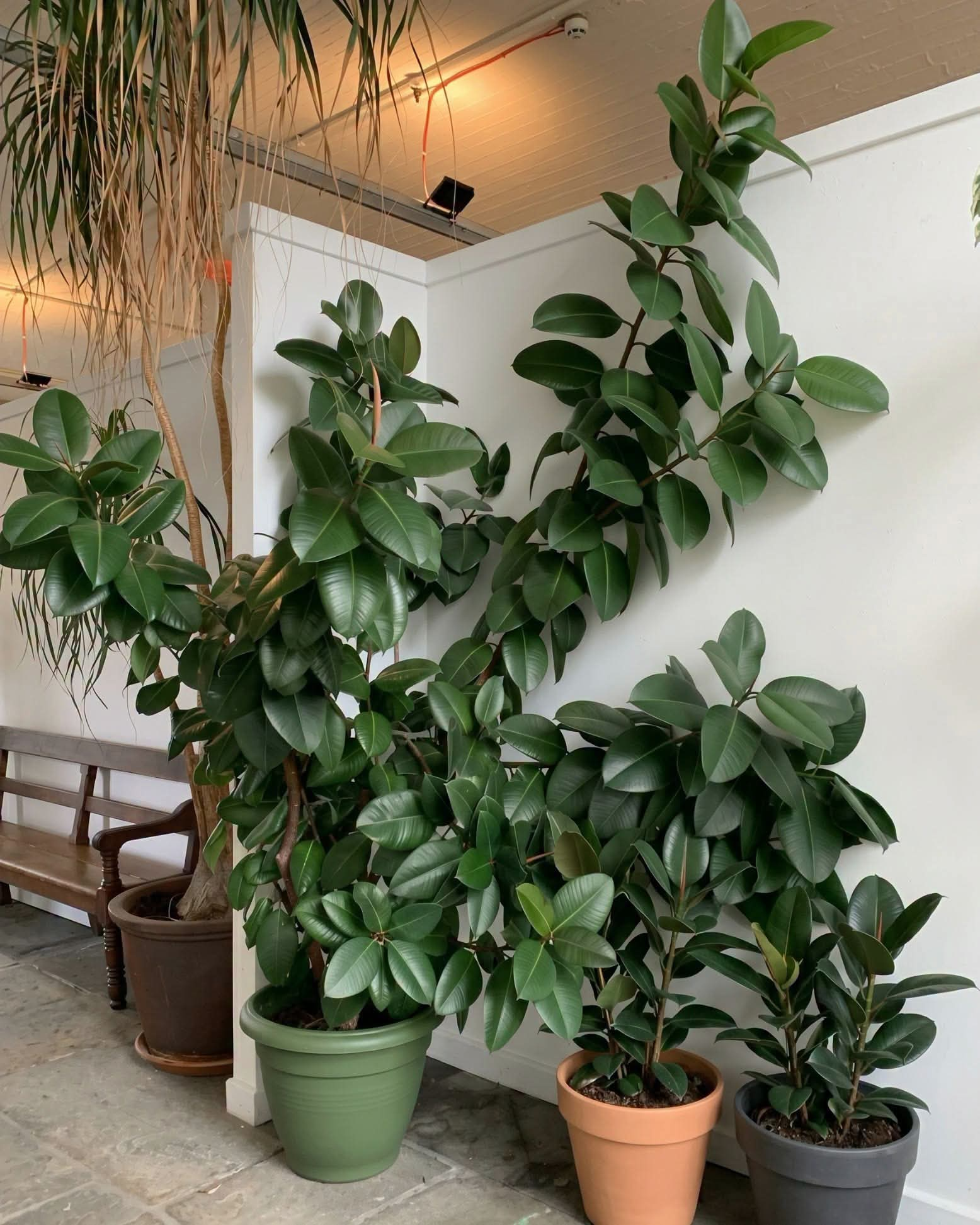
HONEY AND COMPOST TEA FOR RUBBER PLANTS:
Rubber plants (Ficus elastica) are loved for their large, glossy green leaves and their ability to bring a beautiful tropical feel into any home. With the right growing conditions and consistent care, these impressive houseplants can become tall, full, and healthy indoor trees.
One gardening combination that attracts attention is compost tea with a small amount of honey. Compost tea is made by steeping mature, finished compost in water to create a liquid containing soluble nutrients and beneficial microbial life. Honey is sometimes added in homemade gardening recipes, but it is not a proven fertilizer or a reliable way to stimulate plant growth. Too much sugar can encourage unwanted microbial activity, attract insects, and create problems in the soil.
🌱 What Does Compost Tea Do?
A properly prepared compost tea may introduce soluble nutrients and microorganisms into the growing medium. Its quality depends on the compost, preparation method, water, and handling. It should never be treated as a guaranteed growth booster or a replacement for a balanced fertilizer.
For rubber plants, healthy growth depends much more on the fundamentals:
- Bright, indirect light: Place your rubber plant near a bright window, away from harsh direct afternoon sun.
- Well-draining soil: Use a suitable indoor potting mix that allows excess water to drain freely.
- Careful watering: Water when the upper layer of soil has dried. Avoid keeping the roots constantly wet.
- Good drainage: Make sure the pot has drainage holes and never allow it to sit in standing water.
- Balanced nutrition: During active growth, use a suitable houseplant fertilizer according to its label.
- Leaf care: Gently wipe the broad leaves with a damp, soft cloth to remove dust and help them look glossy.
🍯 Should You Add Honey to Compost Tea?
Honey is not necessary for compost tea, and there is limited reliable evidence that adding it benefits indoor plants. Because honey contains concentrated sugars, using it in potting soil may encourage unwanted microbial growth or attract pests. For this reason, it is safer to use properly prepared compost tea on its own, if you choose to use it, and follow careful hygiene and dilution practices.
Avoid using homemade compost tea that smells rotten, contains unknown ingredients, or has been stored for a long time.
🌿 How to Encourage a Fuller, Taller Rubber Plant
If you want your rubber plant to develop a stronger shape and more foliage, focus on consistent care rather than quick-fix mixtures. Give it enough bright indirect light, rotate the pot occasionally for even growth, and prune carefully when you want to encourage branching. New leaves naturally emerge as the plant grows under suitable conditions.
Remember that healthy growth takes time. A dramatic transformation in a video is an artistic time-lapse, not an immediate result of pouring a liquid onto the soil.
💚 Final Gardening Tip
A beautiful rubber plant is built through good light, healthy roots, proper watering, suitable nutrition, and patience. Compost tea may be an optional soil-care addition, but honey is not a proven ingredient for making rubber plants grow taller or fuller.
Save this guide for your next indoor gardening day, and follow for more practical houseplant care ideas!