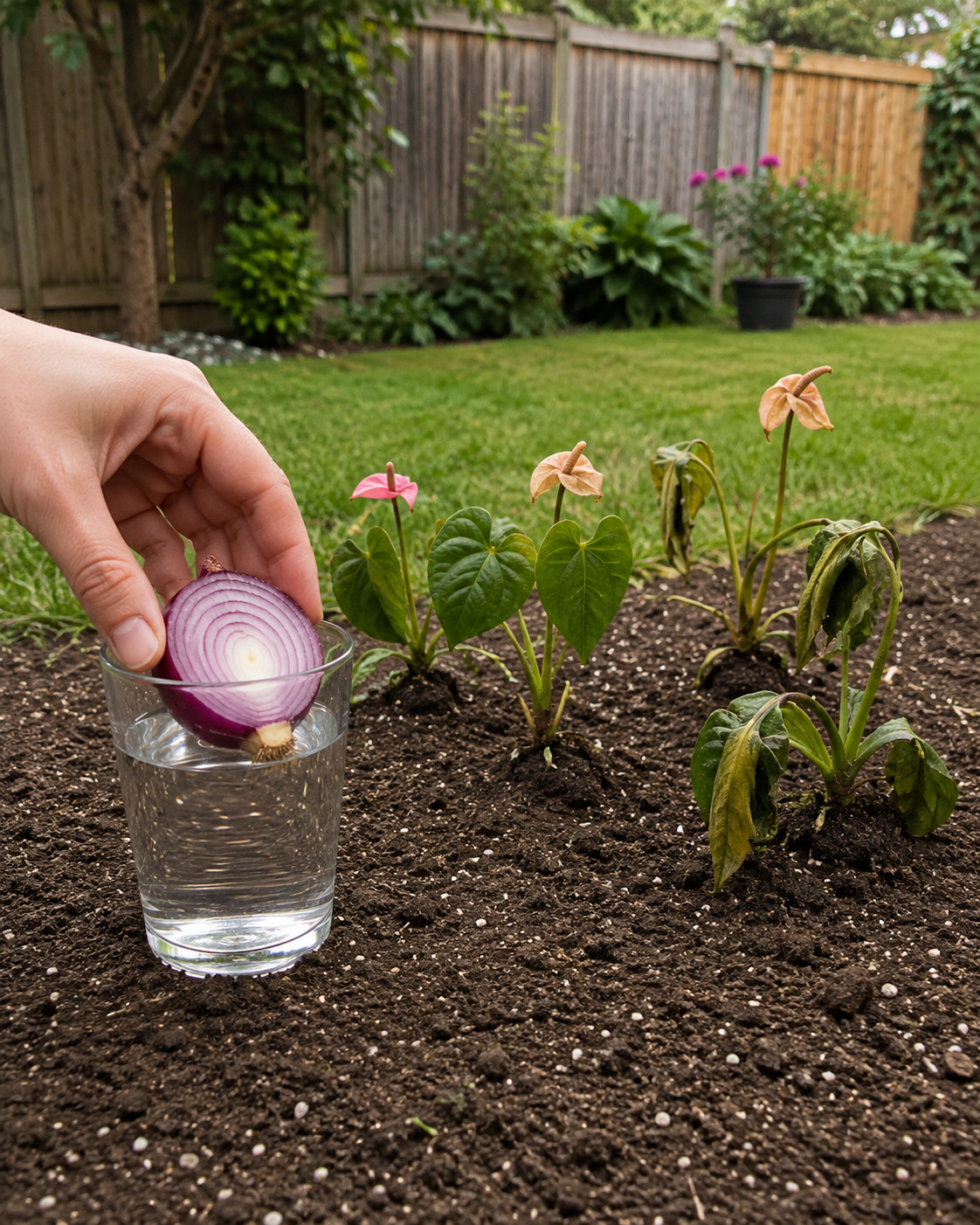
How to Nourish Anthuriums & Orchids with Onion Extract and Diluted Milk
A Botanical Guide to Strengthening Epiphytic Roots, Boosting Blooms, and Preventing Fungal Infections
Epiphytic tropicals like Anthuriums and Orchids thrive when given gentle, natural nutrients that protect their sensitive aerial roots. Blending nutrient-rich onion peel extract with diluted milk creates a powerful natural tonic: onion peels supply protective antioxidants and sulfur compounds, while milk delivers bioavailable calcium and proteins that strengthen cell walls and stimulate vibrant blooms.
Because epiphytes grow naturally in bark or airy potting mixes, heavy or undiluted milk can cause sour smells, fungal growth, or root rot. Following proper dilution and straining protocols ensures your orchids and anthuriums absorb these essential micro-nutrients safely without smothering their roots.
I. Why Onion Extract and Diluted Milk Work Together
Combining antioxidant-rich onion infusion with calcium-rich milk provides balanced organic protection and feeding tailored to tropical epiphytes:
- Onion Extract Benefits: Onion skins are packed with quercetin, potassium, and natural sulfur compounds that act as natural fungicides, shielding delicate orchid and anthurium roots from harmful soil pathogens.
- Calcium & Protein Boost: Milk contains calcium, which prevents tip burn in anthuriums and supports sturdy stem structure in orchids, along with beneficial amino acids that stimulate growth.
- Natural Antifungal Properties: Lactic acid proteins in milk, combined with onion sulfur, create a mild antimicrobial environment that keeps bark substrates healthy.
II. Ingredients & Preparation Guide
🌱 Bio-Active Liquid Tonic Recipe
Ingredients Needed:
- Handful of clean onion skins (or 1 small chopped yellow/red onion)
- 2 cups boiling water (for steeping onion skins)
- 2 tablespoons fresh milk (skim or low-fat preferred)
- 4 cups clean room-temperature water (for dilution)
- Fine mesh strainer or coffee filter
III. Step-by-Step Preparation & Application Protocol
Step 1: Brew the Onion Peel Extract
Place the onion skins into a heat-resistant glass container and pour 2 cups of boiling water over them. Allow the mixture to steep for 4 to 6 hours (or overnight) until the water turns a deep amber color. Strain out all solid onion pieces thoroughly using a fine mesh strainer.
Step 2: Add Milk and Dilute
Pour 2 tablespoons of milk into the cooled, strained onion tea. Add 4 cups of room-temperature clean water to dilute the mixture completely. Proper dilution is essential to prevent milk fats from coating the roots or creating sour odors in orchid bark mix.
Step 3: Root Application (Soil & Bark Drench)
Water your Anthurium or Orchid with plain water first so the roots are slightly moist. Gently pour the diluted mixture over the bark or potting substrate around the base, letting excess liquid drain out completely. Do not leave orchids sitting in leftover drainage liquid.
Step 4: Leaf Cleaning & Misting
Dip a soft microfiber cloth into the diluted mix and gently wipe the glossy leaves of your Anthurium or Orchid. This removes dust, enhances photosynthesis, and protects the foliage against mild mildew and pests.
⚠️ Critical Care Tip for Orchids & Anthuriums:
Always apply this natural liquid fertilizer once every 4 to 6 weeks during active spring and summer growth. Avoid getting liquid trapped in the crown of the orchid or the center rosette of the anthurium to prevent crown rot!
IV. Final Thoughts & Quick Reference Guide
Pairing onion extract with highly diluted milk gives delicate tropical plants a gentle balance of antifungal protection and calcium-rich nutrition. Used sparingly on well-draining substrates, this organic solution keeps leaves glossy and encourages long-lasting, vibrant blooms.
🌺 Final Thoughts: Key Elements of Epiphyte Care
Maintaining healthy orchids and anthuriums with natural feeds depends on high dilution rates, clean straining, and proper substrate aeration.
| Core Concept | Detailed Explanation | Golden Success Tip |
|---|---|---|
| 1. Onion Protection | Onion skins release sulfur and flavonoids that act as natural repellents and fungicides, guarding delicate root systems from fungal rot. | Strain the onion tea through a coffee filter to ensure no organic particles remain that could attract fruit flies. |
| 2. Calcium Enrichment | Diluted milk provides essential calcium and amino acids that strengthen new leaf stems and support vibrant spathe development in Anthuriums. | Use low-fat or skim milk to minimize fat buildup on orchid roots and potting bark. |
| 3. Substrate Drainage | Orchids and Anthuriums require high airflow around their roots. Diluting organic mixes prevents suffocating airy orchid bark or coarse peat mixes. | Always allow the potting medium to dry out slightly before applying organic feeds to keep roots healthy. |