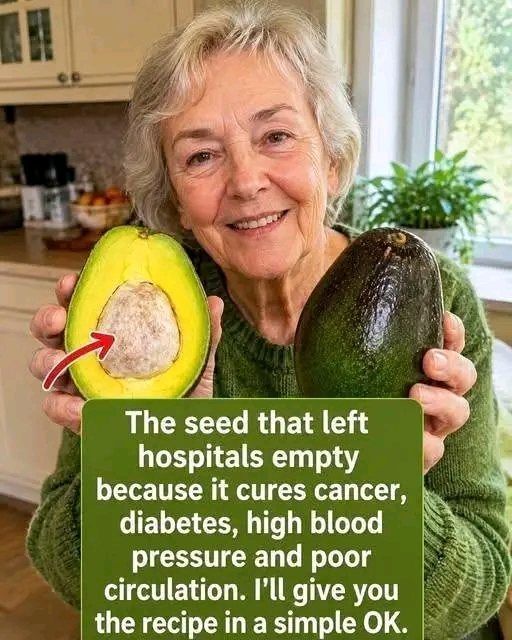
Social media posts often make sensational claims, like suggesting that the humble avocado seed (Persea americana) is a “miracle cure” for serious health conditions like diabetes, cancer, or hypertension. While internet trends love quick fixes, it is crucial to separate viral fiction from evidence-based nutritional science!
While avocado seeds are packed with powerful antioxidants, soluble fiber, and bioactive polyphenols, they are not a substitute for modern medicine 🛡️. However, when properly prepared and consumed in moderation, avocado pit extract or tea can be a fantastic addition to a balanced, holistic lifestyle ✨.
In this comprehensive, SEO-optimized blog article, we will debunk common medical myths, explore the actual scientifically proven health benefits of avocado pits, provide a professional comparison table, and share safe, step-by-step home preparation recipes! 🥑🛡️✨
🛡️ Science vs. Viral Claims: Debunking the Myths 🧪✨
Sensationalized graphics often spread bold medical claims. Let’s look at what medical science actually says versus popular internet rumors:
- Myth 1: “Avocado seeds cure cancer and empty hospitals.” 🚫
- The Reality: There is no single food or seed that cures cancer. While laboratory research shows that certain compounds in avocado seeds (like avocatin B) possess antioxidant properties that combat cell damage, these tests are performed in petri dishes, not clinical human trials.
- Myth 2: “It instantly lowers high blood pressure and reverses diabetes.” 🚫
- The Reality: Avocado seeds contain potassium and phenolic compounds that support cardiovascular health and glucose metabolism. However, they act as supportive dietary antioxidants—not direct cures for chronic metabolic conditions.
- Myth 3: “Raw avocado pits are completely non-toxic.” ⚠️
- The Reality: Avocado pits contain small amounts of tannins and persin. While generally safe in small, processed amounts (like steeped teas or fine powders), consuming raw, unprocessed seeds in large quantities can cause gastrointestinal upset.
📊 Comparison Table: Whole Avocado Fruit vs. Avocado Seed (Pit) 🥑🧪
| Feature / Metric | Avocado Flesh (Fruit) 🥑 | Avocado Seed (Pit) 🥑✨ |
|---|---|---|
| Primary Nutrient | Healthy Monounsaturated Fats (Oleic Acid) 🥑 | Soluble Fiber & Polyphenols 🌿 |
| Antioxidant Capacity | Moderate (Vitamin E, Lutein) ✨ | High (Procyanidins, Catechins, Tannins) 🧪 |
| Taste Profile | Rich, creamy, buttery 😋 | Bitter, astringent, nutty 🫖 |
| Common Uses | Salads, toast, guacamole, smoothies 🥗 | Dried teas, powders, natural dyes ☕ |
| Digestibility | Highly digestible & soothing 🌿 | Requires drying & fine grating for digestion ⚙️ |
| Safety / Caution | Safe for daily consumption 🥑 | Consume |
🥣 How to Safely Prepare Avocado Seed Tea & Powder at Home ☕✨
Because raw avocado seeds are extremely hard and bitter, they must be processed correctly before consumption. Follow these safe kitchen methods:
🛒 Ingredients & Equipment:
- Fresh Avocado Pit: 1 clean pit from a ripe avocado 🥑
- Filtered Water: 3 to 4 cups 💧
- Flavor Enhancers: Fresh lemon juice, raw honey, or ginger 🍋🍯
- Tools: Chef’s knife, baking sheet, food processor/grater, tea strainer 🔪
📝 Step-by-Step Preparation Instructions:
Method 1: Nourishing Avocado Seed Tea ☕
- Wash & Clean: Thoroughly wash the seed under warm water to remove all remaining green fruit flesh 🧼.
- Boil Whole or Chopped: Place the seed in a pot with 4 cups of water. Bring to a boil, then reduce heat and simmer for 20 to 30 minutes. The water will turn a rich amber-red shade 🫖.
- Slice & Strain: Once softened, remove the seed, slice it into thin pieces, and strain the liquid into a cup.
- Flavor & Serve: Add a squeeze of fresh lemon and a spoonful of honey to balance the natural bitterness! 🍋🍯
Method 2: Dried Seed Powder for Smoothies 🌾
- Dehydrate: Bake the cleaned seed in an oven at 200°F (90°C) for 2 hours until the outer skin turns paper-thin and cracks.
- Grate or Grind: Chop the softened seed into small chunks and blend in a high-powered food processor until it forms a fine tan-colored powder ⚙️.
- Use Sparingly: Add 1/4 teaspoon of the powder to oatmeal, green smoothies, or warm tea mixtures once or twice a week 🥛✨.
🗓️ What Real Health Benefits Can You Expect? 🌱➡️✨
When integrated into a balanced lifestyle alongside whole foods, hydration, and regular exercise, here is how avocado seed antioxidants support your body:
- Week 1 – 2 (Digestive Support): High soluble fiber content aids regular digestion and helps soothe minor gut inflammation 🛡️.
- Month 1 (Antioxidant & Heart Support): Natural polyphenols combat oxidative stress, supporting healthy cholesterol levels and vascular function 🫀✨.
- Month 2 & Beyond (Immune & Skin Vitality): Concentrated antioxidants help protect skin cells against environmental damage, promoting a natural healthy glow 🌸🎉.
💡 Pro Tips & Safety Guidelines 🚨
❓ Can I consume avocado seed powder every day?
It is best consumed in moderation. Due to the presence of natural tannins, limit intake to 1/4 teaspoon a day, 2 to 3 times per week, rather than daily heavy doses ⚠️.
❓ Should I replace my prescribed medications with natural remedies?
Never stop or replace prescribed medical treatments for high blood pressure, diabetes, or serious conditions without consulting your doctor or qualified physician first 🏥.
🌟 Final Thoughts: Balance Sensationalism with Real Wellness 🥑💖
While avocado seeds are not magic medical cures, they remain a fascinating, antioxidant-rich botanical byproduct that you can upcycle in your kitchen 🥑☕✨. Enjoy avocado seed tea as a warming, cozy antioxidant tonic, but always rely on trusted medical advice and balanced nutrition for true long-term health!
Try brewing a warm cup of avocado seed tea today and embrace natural wellness safely! 🌿☕✨