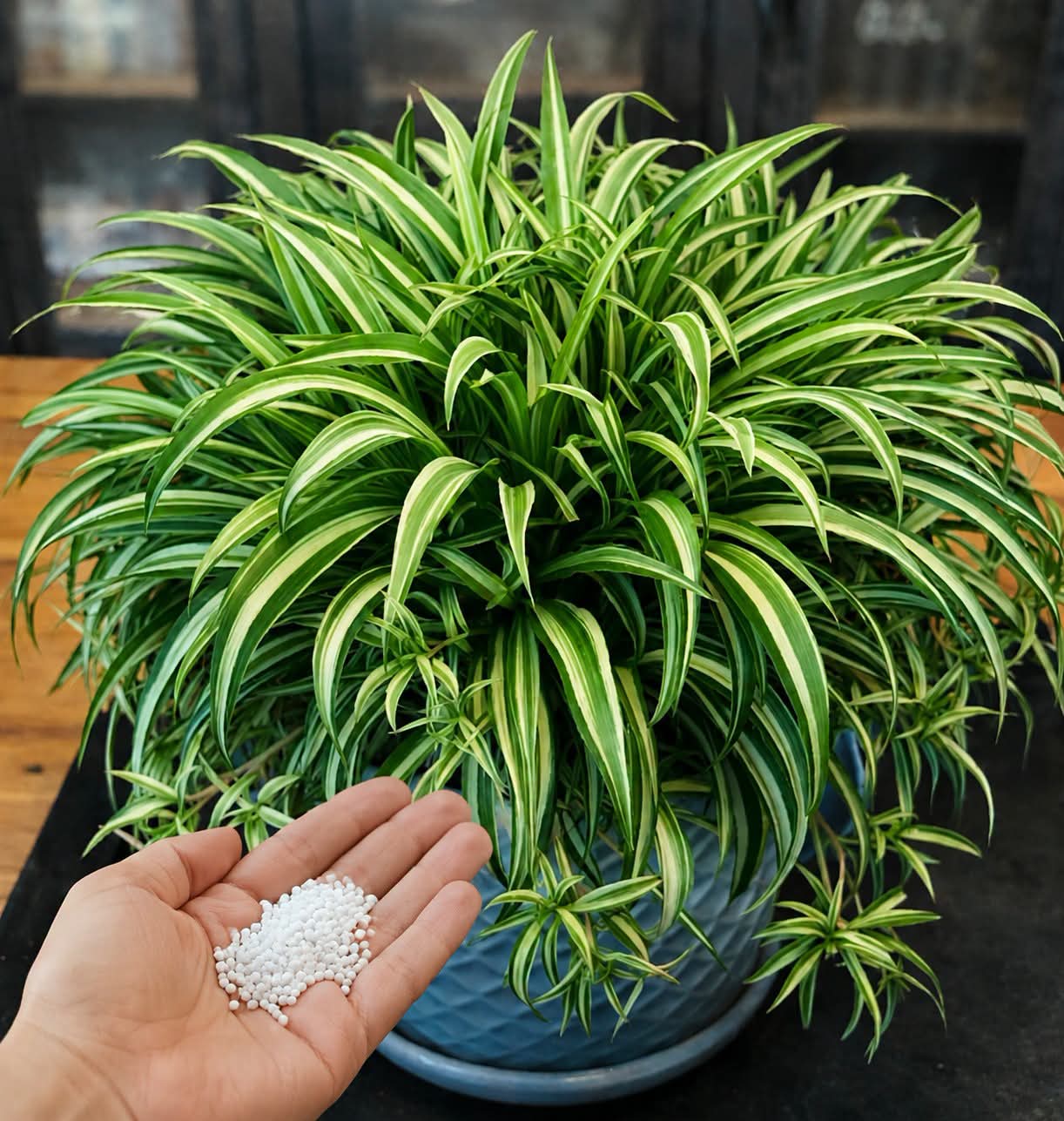
Have you ever looked at a lush, overflowing Spider Plant (Chlorophytum comosum) and wondered how expert indoor gardeners get such thick foliage, vibrant green-and-white stripes, and endless baby offsets? 🥀 While Spider Plants are known as some of the most resilient indoor houseplants, they can easily stall in growth, develop brown crunchy tips, or lose their vivid color when deprived of essential nutrients or grown in inadequate setups.
Whether you are growing your plant in traditional potting soil using slow-release mineral granules or experimenting with sleek glass vase hydroponics proper feeding and root care are the secrets to rapid transformation!
In this ultimate SEO-optimized blog guide, we will break down the science of feeding Spider Plants, compare organic vs. slow-release fertilizers, provide step-by-step instructions for soil and glass vase planting, and outline a full revival timeline to turn your plant into a dense, arching masterpiece! 🌿🛡️✨
🛡️ The Science: Why Spider Plants Need Balanced Nutrition 🧪✨
Spider Plants feature thick, fleshy tuberous roots designed to store water and essential minerals. However, as the plant produces rapid arching foliage and offshoot “spiderettes,” these nutrient reserves deplete quickly.
Essential Nutrients for Spider Plant Super-Growth 🌾:
- Nitrogen (N): Drives lush, rapid leaf development and deep chlorophyll pigmentation 🍃.
- Phosphorus (P): Stimulates strong tuberous root expansion and encourages flowering stems 🌸.
- Potassium (K): Strengthens cell walls, improves drought resistance, and prevents yellowing edges 🛡️.
- Calcium & Magnesium: Key secondary minerals that prevent tip burn and maintain structural firmness 🦴.
📊 Quick Comparison: Slow-Release Granules vs. Hydroponic Glass Care 🧪🏺
| Feature / Metric | Slow-Release Fertilizer Granules 🌾 | Glass Vase Hydroponic System 🏺✨ |
|---|---|---|
| Best Medium | Organic Soil / Peat Moss Mix 🪴 | Clean Filtered Water & Pebbles 🪨 |
| Feeding Frequency | Once every 3 to 6 months ⏱️ | Liquid drops every 2 to 3 weeks 💧 |
| Growth Speed | Rapid, dense foliage volume 🍃 | Clean, steady, architectural growth ✨ |
| Pest Risk | Low-to-moderate (soil gnats) 🐜 | Zero soil-dwelling pests 🛡️ |
| Visual Appeal | Traditional potted aesthetic 🏺 | Modern, luxury transparent look 🌟 |
| Maintenance | Check soil moisture weekly 💧 | Change water every 10–14 days 🧼 |
🥣 How to Plant & Care for Spider Plants in a Glass Vase 🏺💧
Growing Spider Plants in glass containers without soil is exceptionally clean, stylish, and easy! Here is how to set up your glass vase arrangement step-by-step:
🛒 Equipment Needed:
- Clear Glass Vase: Cylindrical or flared decorative vase 🏺
- Smooth Pebbles / Stones: Washed aquarium gravel or river rocks 🪨
- Spider Plant Offshoot: Healthy rooted spiderette or washed adult plant 🌾
- Filtered Water: De-chlorinated water (distilled or rainwater) 💧
- Liquid Plant Food: Balanced hydroponic liquid fertilizer 🧪
📝 Step-by-Step Glass Planting Guide:
Step 1: Clean the Glass Vase & Stones 🏺🧼
Thoroughly wash your glass vase with mild soap and warm water to remove bacteria. Rinse decorative pebbles under running water until no dirt or dust remains.
Step 2: Wash Soil Off Roots Completely 🚿
If transferring a soil-grown Spider Plant, submerge the root ball in lukewarm water and gently tease away all dirt. Clean roots prevent cloudy water and fungal rot!
Step 3: Layer Pebbles & Anchor Roots 🪨🌱
Fill the bottom third of the glass vase with clean stones. Place the roots over the stones and add more pebbles around the base to hold the plant upright. Crucial Rule: Keep the crown (where leaves sprout) slightly above the water level to avoid crown rot! 🚫💧
Step 4: Add Water & Liquid Nutrients 💧🧪
Pour filtered water until the roots are submerged. Add 2 to 3 drops of liquid plant fertilizer into the water to supply essential macro-nutrients.
🌾 Step-by-Step Guide: Feeding Soil-Potted Spider Plants with Granules 🪴
If growing in standard potting soil (as shown in the featured photo), using balanced slow-release granules (like NPK 14-14-14 or 10-10-10) guarantees steady growth without root burn.
- Aerate Topsoil: Lightly scratch the top 1 inch of potting soil using a small garden fork.
- Apply Granules Evenly: Sprinkle 1 teaspoon of slow-release granules evenly around the outer edge of the pot, away from the central stem base 🌾.
- Cover & Water: Push the granules slightly into the soil and water thoroughly until water drains from the bottom base tray 💧.
🗓️ Spider Plant Growth Timeline: What to Expect 🌱➡️🌾
With proper light and balanced feeding, watch your Spider Plant flourish over time:
- Week 1 – 2 (Root Stabilization): Tuberous roots adapt to the new medium and start absorbing nutrients rapidly 🛡️.
- Week 3 – 4 (Foliage Surge): Pale leaves turn deep, glossy green with bright creamy stripes. Leaf tips stand upright 🍃.
- Month 2 – 3 (Bushy Expansion): Dense new central shoots push out, doubling the plant’s overall foliage volume 🌾✨.
- Month 4+ (Spiderette Offshoots): Long arching stalks emerge, producing delicate white flowers and dozens of baby spiderettes ready for new propagation! 🌸🎉
💡 Pro Tips & Frequently Asked Questions (FAQs) 🚨
❓ Why are the tips of my Spider Plant leaves turning brown?
Brown leaf tips are usually caused by fluoride or chlorine in tap water, dry air, or fertilizer salt buildup. Switch to filtered or rainwater, and trim brown tips at a 45-degree angle to match the natural leaf shape ✂️.
❓ How much light does a Spider Plant need?
They thrive best in bright, indirect sunlight. Direct scorching sun burns the leaves, while deep shade slows down variegated coloring ☀️.
❓ Can I propagate baby spiderettes in glass jars?
Yes! Simply clip a baby spiderette from the runner stalk and let its base sit in a small glass jar filled with water. Roots will form in just 7 to 10 days! 🌾💧
🌟 Final Thoughts: Enjoy Your Lush Indoor Jungle! 🌸💖
Whether you choose a sleek glass vase filled with river pebbles or a classic pot enriched with mineral fertilizer granules, Spider Plants are one of the most rewarding, air-purifying houseplants you can grow 🏺🌾✨.
Give your Spider Plant the care and nutrients it craves today, and enjoy a flourishing, arching display of green beauty in your home! 🌿🌸✨