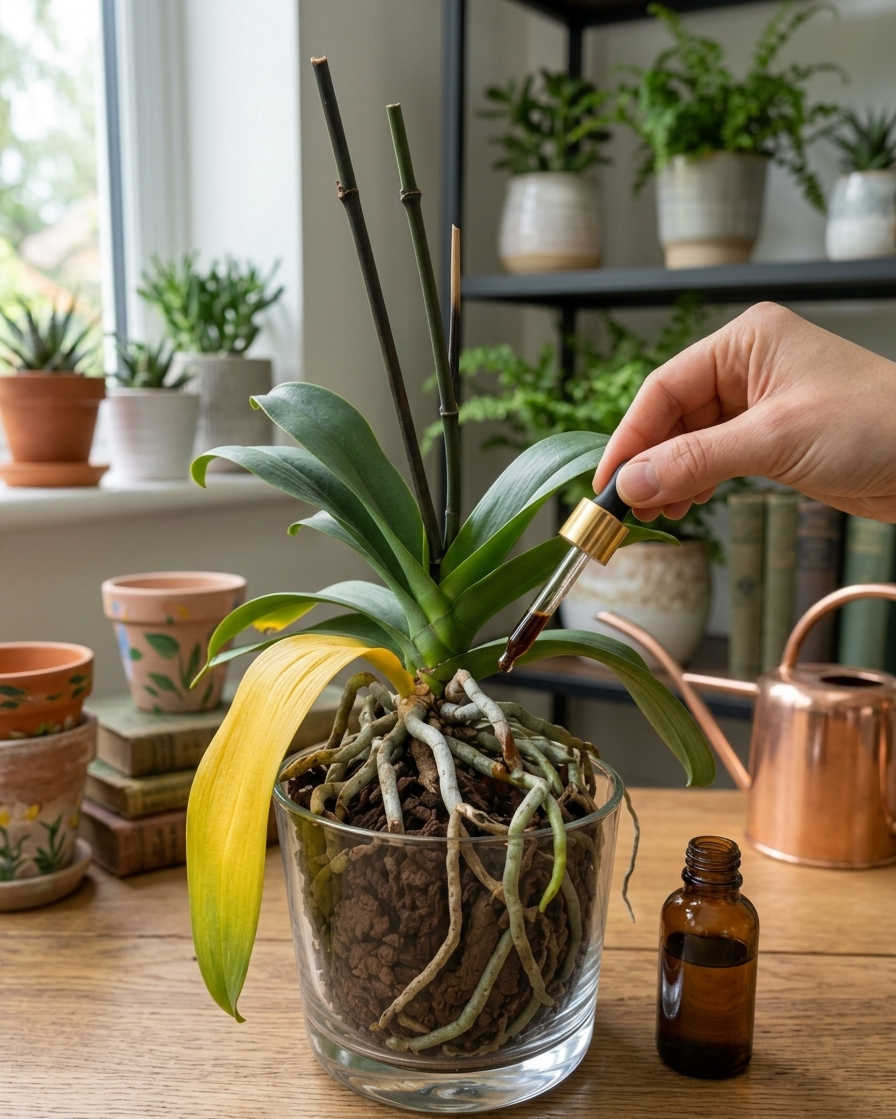
▪️How to Use Coffee and Compost Tea to Revitalize Weak Orchids Complete Care Guide
🪴Welcome to the ultimate guide on combining diluted black coffee with rich compost tea to revive weak or struggling orchid plants. Orchids are celebrated for their delicate exotic blooms and long lasting flowers, but they can occasionally suffer from nutritional deficiencies, dull foliage, or stalled growth. Providing an organic liquid boost packed with natural nitrogen and micro nutrients helps jumpstart new leaf production, strengthen roots, and encourage vibrant blooms.
🌿In this comprehensive guide you will discover the science behind blending coffee with compost tea, exact measurement ratios, step by step application methods, and essential tips for long term orchid health.
🌟 Why Coffee and Compost Tea Benefit Orchids Key Advantages
☕ Organic Nitrogen Boost: Coffee provides an easily accessible nitrogen source that encourages lush green leaf growth and vivid flower development.
🍃 Rich Soil Microbes: Compost tea introduces beneficial bacteria and trace minerals that improve root absorption and fortify plant immunity.
⚡ Restores Weak Plants: Gently revitalizes orchids that are dormant, suffering from dull leaves, or recovering from stress.
💧 Eco Friendly Organic Feeding: Uses natural kitchen and garden ingredients, offering a chemical free alternative to synthetic fertilizers.
⏱️ Safe and Gentle Formula: Highly diluted liquid feeding reduces the risk of mineral burn on sensitive aerial roots.
📑 Required Materials Quantity Breakdown
Before preparing your organic orchid liquid food gather the following ingredients and tools:
🪴 Item: Weak or Struggling Orchid Plant
Recommended Quantity: 1 Potted Orchid
Primary Function: The target plant receiving organic liquid nourishment
☕ Item: Leftover Plain Black Coffee
Recommended Quantity: Half cup unsweetened black coffee
Primary Function: Delivers organic nitrogen and subtle acidity for mineral intake
🍃 Item: Organic Compost Tea
Recommended Quantity: 1 cup strained liquid compost tea
Primary Function: Supplies beneficial microbes, potassium, and trace minerals
💧 Item: Clean Filtered Water
Recommended Quantity: 3 cups room temperature water
Primary Function: Dilutes the mixture to ensure a safe nutrient concentration for roots
🍶 Item: Mixing Container or Pitcher
Recommended Quantity: 1 Container
Primary Function: Blends liquid coffee, compost tea, and water thoroughly
🔬 The Science Behind Coffee and Compost Tea for Orchids
Orchids are epiphytic plants that absorb nutrients through specialized aerial roots covered in velamen. Using a diluted blend of coffee and compost tea works through key botanical processes:
- Nitrogen and Microbe Synergy: Coffee supplies nitrogen for chlorophyll synthesis, while compost tea provides beneficial microbes that break down nutrients for fast root absorption.
- Balanced Mild Acidity: Orchids prefer slightly acidic root conditions. Highly diluted coffee adjusts pH levels slightly, helping roots absorb essential minerals like iron and magnesium effectively.
👩🌾 Step-by-Step Application Guide
Follow this simple five step protocol to feed your orchid safely:
Step 1: Check Bark Medium and Root Condition 🪴
Inspect your orchid medium before feeding. Ensure the pine bark or sphagnum moss is dry to the touch and that roots are ready for hydration.
Step 2: Prepare the Diluted Liquid Blend ☕
In your pitcher, combine half a cup of cold plain black coffee, one cup of strained compost tea, and three cups of room temperature filtered water. Ensure there is no milk, sugar, or artificial flavorings in the coffee.
Step 3: Apply the Liquid Feeding 💦
Slowly pour the diluted mixture around the base of the orchid, soaking the bark medium thoroughly. Avoid pouring liquid directly into the central crown or leaf joints to prevent crown rot.
Step 4: Allow Complete Drainage 🏺
Let the excess liquid drain out completely through the bottom holes of the pot. Never leave orchid roots submerged in standing water or stagnant liquid.
Step 5: Place in Bright Indirect Sunlight ☀️
Return your orchid to a bright spot with soft indirect sunlight. Good airflow and bright light help the plant photosynthesize and process the organic nutrients.
📊 Quick Summary Usage Calendar
🗓️ Best Season to Apply: Spring and Summer during active growth
⏳ Application Frequency: Once every 4 to 6 weeks
🎯 Expected Outcome: Greener leaf foliage, stronger root systems, and healthier flower spikes
👁️ Maintenance and Troubleshooting Tips
🟢 Keep Leaves Dry: Wipe away any stray liquid droplets from leaf surfaces to maintain clean foliage.
🧄 Use Pure Ingredients: Never use flavored coffees or unstrained compost that could clog bark drainage.
✂️ Monitor Root Health: Healthy roots appear plump and green when watered, turning silvery gray when dry.
❓ Frequently Asked Questions
Q1: Can I use coffee grounds instead of liquid coffee for orchids?
A: Liquid coffee is much safer for orchids. Solid coffee grounds can compact the loose bark medium, blocking air circulation around aerial roots.
Q2: What should I do if my orchid shows signs of over fertilizing?
A: Flush the orchid medium thoroughly with plain distilled water for two consecutive waterings and pause all liquid feeding for a month.
Q3: Can I use this mixture on other flowering houseplants?
A: Yes! Acid loving and leafy houseplants such as Peace Lilies, Ferns, and Anthuriums also benefit from diluted coffee and compost tea infusions.