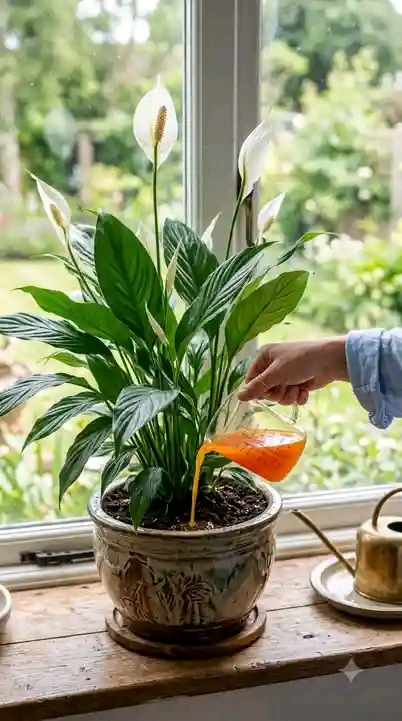
If you are a indoor plant enthusiast or houseplant lover looking to encourage non-stop blooming, deep green foliage, and healthy root systems for your Peace Lily (Spathiphyllum), look no further ✨! Peace lilies are famed for their sleek dark leaves and striking white spathes, but over time, potted soil runs low on vital organic nutrients. Instead of buying harsh chemical plant foods, you can make a rich, all-natural liquid fertilizer at home using simple kitchen leftovers like orange peels, banana skins, and potato peels 🌿.
Feeding your potted plants natural organic liquid extracts delivers essential macronutrients—potassium, phosphorus, and nitrogen—alongside key micro-minerals that stimulate lush flower growth and foliage 🪴. Let’s explore the master recipe specifications, step-by-step brewing guide, care requirements, and pro plant-parent tips to keep your Peace Lily thriving in a window spot year-round!
🛒 Master Plant Food Specifications & Nutrient Ratios
Feeding indoor houseplants organic liquid tea provides a gentle, slow-release nutrient boost that prevents fertilizer burn while improving soil micro-flora 🌿✨. Here is your master specifications breakdown 📋✨:
| Plant Care Component | Key Natural Ingredients & Ratios | Botanical Purpose & Plant Benefit | Easy Organic Alternatives |
|---|---|---|---|
| Potassium & Vitamin Boost 🍊 | Citrus / Orange Peels (Peels of 2 Oranges) | Supplies potassium and citric acid, acidifying soil slightly to help absorb minerals. | Banana Peels or Apple Scraps. |
| Phosphorus Base 🥔 | Potato Peels (1 Cup Clean Peels) | Delivers phosphorus and starch, stimulating healthy root development and white spathe blooms. | Rice Water or Wood Ash Infusion. |
| Liquid Extractor Base 💧 | 4 Cups Filtered Warm Water | Extracts water-soluble vitamins, minerals, and enzymes from the steeped organic peels. | Collected Rainwater or Distilled Water. |
| Target Houseplant 🪴 | Peace Lily (Spathiphyllum) in Ceramic Pot | Thrives in bright indirect light; benefits from regular gentle feeding during active growth. | Anthuriums, Orchids, or Christmas Cacti. |
👩🌾 Step-by-Step Homemade Fertilizer Preparation Guide
Follow this simple 4-step botanical guide to steep, strain, and feed your potted Peace Lily, exactly as shown in the featured windowsill setting 🌿✨!
Step 1: Collect and Prep Organic Peels 🍊🥔
- Wash 2 fresh oranges and 2 medium potatoes thoroughly to remove any dirt or surface impurities.
- Peel the oranges and potatoes, keeping the peels intact. Chop the peels into smaller 1-inch pieces so nutrients release faster during steeping.
- Place the chopped peels directly into a clean glass jar or pitcher.
Step 2: Steep into an Organic Liquid Extract 💧✨
- Pour 4 cups of warm (not boiling) filtered water over the peels in the jar.
- Seal the jar loosely and let it steep in a cool, dark corner for 24 to 48 hours.
- During steeping, beneficial enzymes and minerals like potassium and phosphorus dissolve into the liquid, giving it a vibrant orange hue (as pictured in the glass liquid measuring cup).
Step 3: Strain the Liquid Fertilizer 🧪🌿
- After 48 hours, strain the liquid extract through a fine-mesh sieve or cheesecloth to separate the solid peels from the nutrient tea.
- Dilute the orange-tinted liquid extract with equal parts fresh water (1:1 ratio) to ensure a gentle concentration suitable for sensitive houseplant roots.
Step 4: Feed and Hydrate Your Peace Lily 🪴✨
- Check the top inch of soil in your Peace Lily’s ceramic pot. If it feels dry to the touch, it is ready for watering.
- Slowly pour the homemade liquid fertilizer around the base of the plant directly into the potting soil (as clearly demonstrated in the main photograph).
- Allow excess liquid to drain through the bottom drainage holes into the saucer beneath the pot.
- Apply this natural liquid feed once every 2 to 3 weeks during the spring and summer active growing season!
💡 Pro Plant-Parent Tips for Bountiful White Blooms
- Position in Bright, Indirect Light: Peace lilies tolerate low light, but they need bright, indirect sunlight near a window (as pictured) to produce those iconic white flowers 🌿. Avoid harsh direct sun, which can scorch the leaves!
- Maintain High Moisture & Humidity: Keep soil consistently moist but never waterlogged 🪴. Misting leaves regularly or placing the pot near a tray filled with pebbles and water increases environmental humidity.
- Prune Spent Blooms: Trim away yellowing leaves or browning flowers at the base with clean shears to redirect the plant’s energy into fresh green growth and new flower shoots.
Try this simple, chemical-free organic fertilizer recipe today to keep your Peace Lily vibrant, healthy, and blooming with gorgeous white flowers all year round! 🌿✨🪴