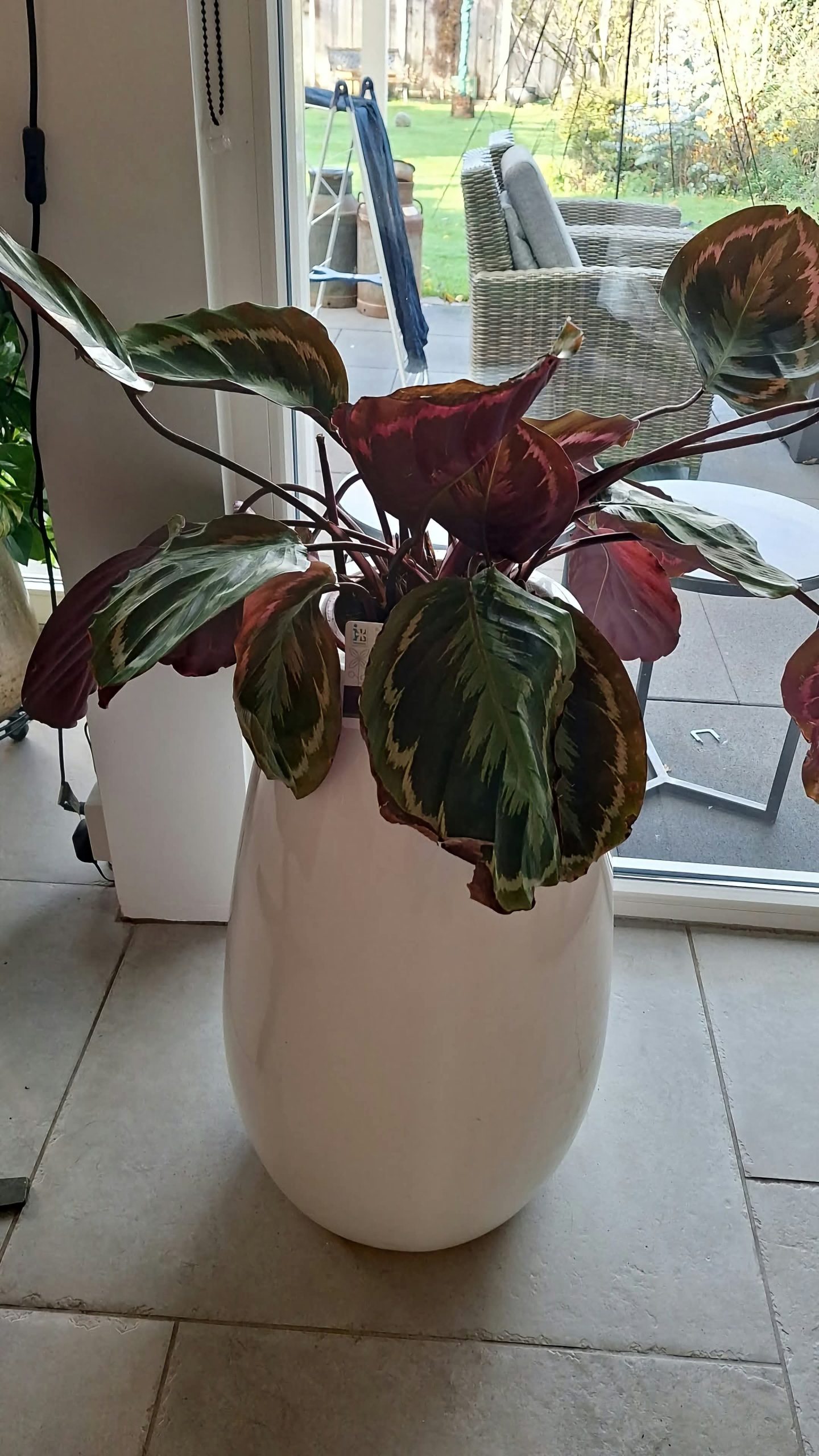
Propagating Calathea and Using Banana Peel with Honey Liquid:
Propagating a Calathea (Goeppertia / Calathea ‘Medallion’ or similar prayer plant) while experimenting with homemade banana peel and honey liquids is a popular DIY houseplant topic, yet Calatheas behave very differently from trailing vines like pothos or philodendrons. Native to the humid, shaded floors of tropical South American rainforests, Calatheas have delicate, moisture-sensitive root systems and grow from underground rhizomes rather than woody or climbing stems with aerial nodes. Understanding both how Calatheas actually propagate and how banana peel and honey liquids affect their sensitive roots helps you multiply your plant safely without triggering root rot, leaf crisping, or fungal outbreaks.
How Calathea Propagation Actually Works (Division vs. Cuttings)
Unlike pothos or monsteras, Calatheas cannot be propagated from a single leaf or stem cutting in water. A leaf petiole placed in a jar of water—even with banana peel or honey added—will eventually yellow and rot without forming a new plant because Calatheas lack aerial root nodes along their leaf stalks.
The only reliable way to propagate a mature Calathea is root division during spring or early summer:
- Remove the plant from its pot: Gently slide the root ball out of the planter and loosen excess soil around the base so you can see where individual leaf clusters emerge from the underground rhizomes.
- Identify natural clumps: Look for distinct sections that each have at least three to four healthy leaves and their own attached, healthy roots.
- Separate the rhizomes cleanly: Gently tease the roots apart with your fingers. If the rhizome is thick and fused together, slice cleanly between natural divisions using a sharp knife or shears sanitized with 70 percent isopropyl alcohol.
- Pot each division promptly: Plant each separated clump into its own small pot with drainage holes using an airy, moisture-retentive mix (such as coco coir, peat-free indoor potting mix, perlite, and fine orchid bark).
What Banana Peel and Honey Liquid Actually Do
Combining banana peel tea and honey into a liquid soak or watering tonic is often promoted online as a natural rooting booster and fertilizer, though each ingredient has clear strengths and limitations:
- Banana peel infusion (potassium and trace minerals): Steeping banana skins releases potassium, small amounts of phosphorus, magnesium, and trace minerals. Potassium supports overall cell strength and water regulation once roots are actively absorbing nutrients.
- Raw honey (antimicrobial protection and trace sugars): Raw, unpasteurized honey contains trace hydrogen peroxide, mild acidity, and natural antimicrobial compounds that help protect fresh cuts on divided rhizomes from surface bacteria and fungi while they callus over.
- What this mixture does not do: Neither banana peel nor honey replaces a balanced fertilizer containing nitrogen, nor can a banana-and-honey liquid force a leafless Calathea stem cutting to grow roots.
Why Heavy Sugar and Fruit Liquids Risk Harming Calatheas
Calatheas are famously sensitive to dissolved salts, stagnant water, and microbial blooms around their roots. Pouring concentrated banana peel and honey liquid into a newly divided Calathea pot creates several problems:
- Rapid bacterial and fungal growth: Honey is concentrated sugar, and banana peels contain starches and sugars. In warm, damp potting mix, microbes feed on those sugars rapidly, depleting oxygen around freshly cut rhizomes and encouraging root rot.
- Fungus gnat attraction: Sweet, fermenting organic liquids quickly attract fungus gnats, whose larvae feed on delicate new root hairs.
- Mineral buildup and brown leaf edges: Calatheas develop brown, crispy leaf margins easily when exposed to excess dissolved minerals or salts in the soil.
How to Safely Use Honey and Banana Peel When Dividing a Calathea
If you want to incorporate honey and banana peel into your Calathea propagation routine without risking rot, use honey directly on fresh rhizome cuts and keep any banana peel liquid ultra-dilute and occasional:
1. Use Raw Honey as a Protective Wound Sealant During Division
- Pat fresh cuts dry: After separating your Calathea rhizomes into smaller clumps, blot the cut root or rhizome surfaces gently with a clean paper towel.
- Apply a paper-thin dab of raw honey: Dip a clean cotton swab into raw, unpasteurized honey and brush a microscopic film onto the cut rhizome tissue to shield it from soil pathogens.
- Pot in fresh, airy mix: Plant the division immediately in slightly damp, well-draining potting mix and water lightly with plain filtered or rainwater.
2. Apply a Very Mild, Strained Banana Peel Tea Only After Roots Establish
- Wait three to four weeks after dividing: Give newly divided Calatheas time to settle and push out new root growth before offering any nutrients.
- Make a clean, weak infusion: Steep a small piece of dried or fresh organic banana peel in two cups of warm water for 12 to 24 hours, then strain the liquid thoroughly through a coffee filter so zero pulp remains.
- Dilute heavily with filtered water: Mix one part strained banana peel water with four parts plain filtered, distilled, or rainwater—do not add honey to soil-watering liquids—and apply lightly once every four to six weeks during spring and summer.
Essential Care for Newly Propagated Calatheas
To help divided Calathea clumps recover quickly and keep their patterned leaves vibrant without curling or crisping:
- Use filtered, distilled, or rainwater: Calatheas react poorly to chlorine, fluoride, and hard minerals in tap water.
- Provide bright, indirect light: Place divisions near a bright window filtered by a sheer curtain, avoiding harsh direct sun that fades and scorches patterned foliage.
- Maintain steady humidity and gentle moisture: Keep indoor humidity between 50 and 65 percent and water when the top inch of potting mix feels slightly dry—keeping the soil evenly moist like a wrung-out sponge, never waterlogged.