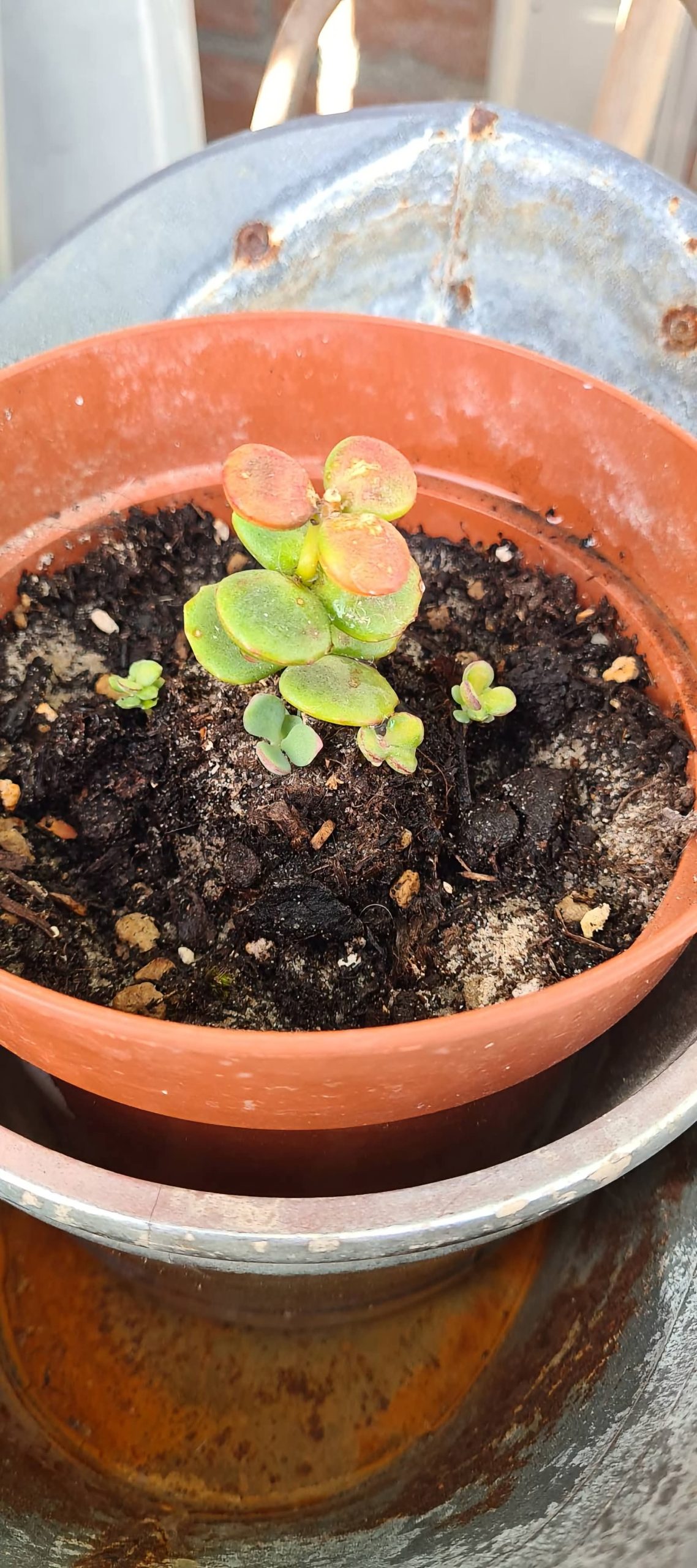
Using Coffee Compost Tea on a Jade Plant:
Feeding a jade plant (Crassula ovata) with compost tea made with coffee grounds is a popular DIY gardening idea, yet it requires far more caution than using the same brew on leafy tropical houseplants or outdoor vegetables. Jade plants are native to dry, rocky regions of South Africa and Mozambique, where soils are lean, fast-draining, and low in rich organic matter. Understanding how coffee and compost tea interact with succulent roots helps you give your plant gentle nutrition without triggering rot, salt buildup, or fungal gnats.
How Jade Plants Absorb Nutrients
Unlike fast-growing ferns or pothos vines, jade plants store water and nutrients inside their thick, fleshy leaves and woody stems. Because their metabolism is built for drought survival rather than rapid lush foliage growth, they have low fertilizer requirements. Too much nitrogen or rich organic sludge forces weak, leggy stems that flop over easily and makes root tissues vulnerable to bacterial and fungal rot.
In nature, jade plants thrive in mineral-rich, gritty substrates that dry out completely between occasional rainfalls. Any liquid feed you give an indoor jade plant must leave the soil airy, well-drained, and free of decaying food residue.
What Coffee and Compost Tea Actually Add
Both compost and coffee grounds carry useful elements, though their effects differ depending on whether they are fully broken down or raw:
- Beneficial microbes and trace minerals: Properly aerated, finished compost tea introduces helpful soil microorganisms, humic acids, and mild trace nutrients that support healthy root-zone biology.
- Nitrogen and organic matter from coffee: Used coffee grounds contain roughly 2 percent nitrogen by volume along with small amounts of potassium, magnesium, and phosphorus. Once composted, those nutrients become slowly available to plants.
- Acidity and caffeine concerns: Fresh, unwashed coffee grounds are mildly acidic and still contain trace caffeine and chlorogenic acids, which can inhibit root growth in sensitive plants if applied heavily or repeatedly.
Key Risks for Jade Plants
Before pouring a coffee-based compost tea onto a potted jade plant, consider the main pitfalls specific to indoor succulents:
- Excess moisture and root rot: Jade plants must dry out thoroughly between waterings. Feeding too often—or applying thick, murky tea—keeps the potting mix damp longer than succulent roots can tolerate.
- Pests and surface mold: Uncomposted coffee grounds or unstrained organic solids left on top of succulent soil hold moisture, grow fuzzy white mold, and attract fungus gnats.
- Over-fertilization and leggy growth: Strong nitrogen levels push rapid, watery cell expansion, causing jade stems to stretch and lose their compact, tree-like structure.
- Salt and mineral buildup: Repeated organic teas in pots without thorough drainage can gradually accumulate dissolved salts in the root zone, leading to brown leaf tips or corky spots.
How to Safely Make and Apply Mild Coffee Compost Tea
If you want to use compost tea with coffee on a jade plant, keep the brew finished, heavily diluted, and strictly seasonal:
- Use composted coffee grounds, not fresh ones: Include used coffee grounds as part of a finished compost pile or worm bin rather than steeping raw grounds directly in water. Finished compost has already broken down caffeine and stabilized pH.
- Steep a clean, strained tea: Place a small handful of finished compost (around a quarter cup) inside a porous cloth bag or mesh strainer in a gallon of non-chlorinated water. Let it steep for 24 to 48 hours, stirring occasionally or using a small aquarium air pump so the liquid stays oxygenated rather than turning anaerobic and foul-smelling.
- Dilute heavily for succulents: Strain the liquid thoroughly so no solid particles remain, then dilute it with plain water at a 1:4 or 1:5 ratio (one part tea to four or five parts water) until it looks like weak, pale iced tea.
- Apply only during active growth: Water your jade plant with the diluted tea only in spring or summer when the soil is already completely dry—never in late fall or winter when growth slows down.
- Limit frequency: Use the diluted tea at most once every six to eight weeks during the growing season, and water with plain water in between to flush excess minerals through the drainage holes.
Signs Your Jade Plant Needs Less Feeding
Watch your plant closely after trying any homemade liquid feed. Soft, translucent, or dropping lower leaves usually indicate excess moisture rather than hunger. Pale, stretched stems with wide gaps between leaf pairs point to too much nitrogen paired with insufficient sunlight. If you notice white crust on the soil surface or small flies around the pot, stop using organic teas, scrape off the top layer of mix, and flush the pot thoroughly with plain water once the soil dries out.
Best Practices for Long-Term Jade Plant Health
Bright light, a gritty cactus or succulent mix, and deep but infrequent watering matter far more to a jade plant than any homemade fertilizer. When kept clean, well-strained, and heavily diluted, finished compost tea that includes composted coffee grounds can offer a gentle spring or summer boost without compromising the dry, airy root environment that keeps a jade plant sturdy for decades.