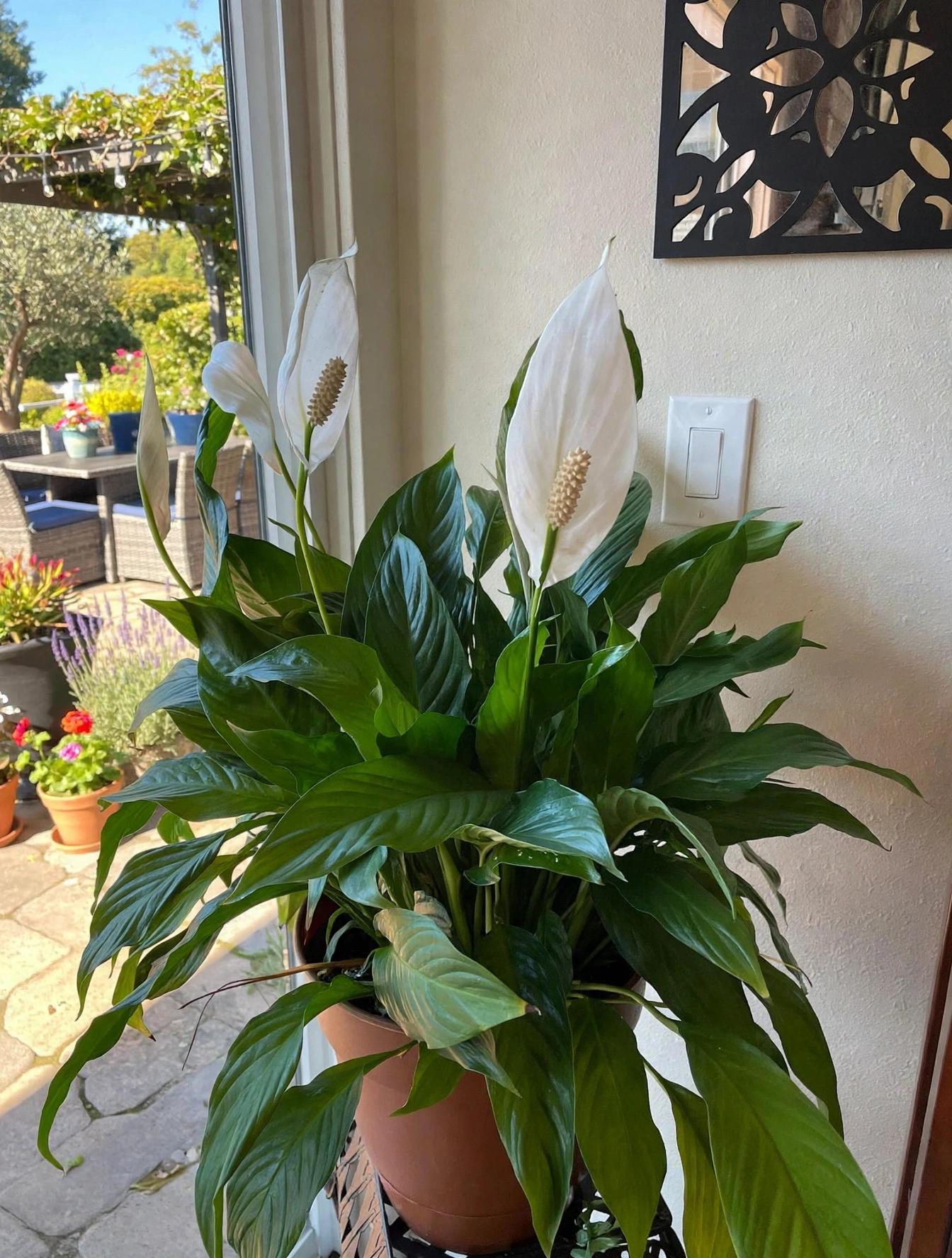
White Epsom Salt Tablets for Peace Lilies:
Peace lilies are among the most beautiful and popular indoor plants. Their elegant white flowers, glossy green leaves, and ability to thrive in indoor environments make them a favorite among houseplant lovers. However, even a healthy peace lily can sometimes develop yellow leaves, weak growth, or fewer flowers than expected.
Many gardeners are interested in simple household plant-care treatments, including white Epsom salt tablets. Epsom salt is commonly known as magnesium sulfate, a mineral compound that supplies magnesium and sulfur. These nutrients play important roles in plant development, but using Epsom salt correctly is essential.
Can white Epsom salt tablets help your peace lily grow healthier leaves? Could they support stronger roots or improve flowering? And how should they be used without damaging the plant?
In this guide, we will explore what Epsom salt does, when peace lilies may benefit from additional magnesium, how to use it safely, and which common mistakes should be avoided.
What Are White Epsom Salt Tablets?
Epsom salt is a naturally occurring mineral compound made of magnesium and sulfate. It is widely used in gardening as a supplementary source of these two nutrients.
Magnesium is especially important because it forms part of the chlorophyll molecule, which allows plants to capture light energy during photosynthesis. Sulfur also contributes to important plant processes, including protein formation.
Some Epsom salt products are sold as white tablets, while others come in crystals or powder form. However, not every tablet marketed as Epsom salt is suitable for plants.
Before using any product, check its ingredient list. Choose plain magnesium sulfate without added fragrances, dyes, sweeteners, or other ingredients.
Why Magnesium Matters for Peace Lily Plants
Peace lilies need several essential nutrients to maintain healthy foliage and normal growth. Magnesium is one of them.
When a plant does not receive enough available magnesium, older leaves may develop yellow areas between the veins while the veins remain relatively green. This pattern is sometimes called interveinal chlorosis.
Magnesium is involved in several important plant functions:
1. Supporting Chlorophyll Production
Magnesium is a central component of chlorophyll. Adequate magnesium helps plants maintain the green pigments needed for photosynthesis.
2. Supporting Healthy Foliage
When magnesium is available in suitable quantities, it contributes to normal leaf development and healthy plant metabolism.
3. Helping Essential Plant Processes
Magnesium activates many enzymes involved in photosynthesis, energy transfer, and nutrient metabolism.
4. Supporting Overall Plant Growth
A healthy nutritional balance allows a peace lily to maintain its leaves and produce new growth under suitable environmental conditions.
However, adding extra magnesium does not automatically improve a plant that already receives enough of this nutrient.
Can Epsom Salt Tablets Help a Peace Lily?
Epsom salt tablets can supply magnesium and sulfur if they contain plain magnesium sulfate and dissolve properly.
They may be useful when a genuine magnesium deficiency has been identified or when a soil test indicates insufficient magnesium.
However, Epsom salt is not a complete fertilizer. It does not supply all the nutrients peace lilies need, such as nitrogen, phosphorus, and potassium.
If your peace lily has yellow leaves, weak growth, or brown tips, magnesium deficiency is only one possible explanation.
Other common causes include:
- Overwatering and damaged roots.
- Poor drainage.
- Insufficient or excessive sunlight.
- Low humidity.
- Accumulation of fertilizer salts.
- Natural aging of older leaves.
Identifying the real problem before applying a supplement is the best way to protect your plant.
How to Prepare Epsom Salt for Peace Lily Plants
If your product contains only magnesium sulfate and you have a confirmed need for additional magnesium, it is important to use a measured, water-soluble preparation.
What You Need:
- Plain magnesium sulfate (Epsom salt).
- Clean water.
- A clean watering container.
- The product’s ingredient and dosage instructions.
Preparation Steps:
- Read the product label to confirm that the tablets contain only magnesium sulfate.
- Check whether the manufacturer provides instructions for dissolving the tablets in water.
- Use only the amount recommended for the intended gardening application.
- Allow the product to dissolve completely.
- Mix thoroughly before applying.
Do not assume that one tablet is a safe dose for every plant. Tablets differ in weight and magnesium concentration, so there is no universal tablet-to-water ratio.
Avoid crushing several tablets into the soil or placing undissolved pieces directly around the roots.
How to Apply Epsom Salt Water to a Peace Lily
Once you have prepared an appropriately diluted solution according to the product label, application should be careful and limited.
Step 1: Check the Growing Medium
Make sure the potting mix is not already saturated. Peace lilies prefer evenly moist soil, but their roots need oxygen.
Step 2: Apply Carefully
If the product is suitable for soil application, distribute the prepared solution evenly over the growing medium.
Step 3: Avoid Excess Liquid
Do not flood the pot or leave water standing in the saucer.
Step 4: Observe the Leaves
Watch for changes in leaf color, growth, or signs of stress over the following weeks.
Step 5: Avoid Repeated Applications Without a Need
Do not use Epsom salt as a weekly feeding treatment. Repeated applications can increase the concentration of dissolved salts and create nutrient imbalances.
What Happens If You Use Too Much Epsom Salt?
Although magnesium is essential for plants, excessive amounts can cause problems.
Too much Epsom salt can increase the soluble salt concentration around the roots. It can also interfere with the uptake of other nutrients, particularly calcium and potassium.
Possible warning signs include:
- Brown leaf tips or edges.
- Yellowing or damaged foliage.
- Weak or slowed growth.
- Root stress.
- Poor overall plant appearance.
If you suspect excessive salt accumulation, stop applying supplements. Where the pot has good drainage and the roots are healthy, flushing the growing medium with clean water may help remove excess soluble salts.
If the plant is already suffering from root rot, however, adding more water can make the problem worse. Check the roots and drainage first.
Better Ways to Keep Peace Lily Leaves Green
Epsom salt is not a substitute for good everyday plant care. A healthy environment is much more important for maintaining attractive green foliage.
1. Provide Bright, Indirect Light
Peace lilies grow well in bright, indirect light. A location near a window with filtered sunlight is often suitable.
Avoid placing the plant in intense direct sunlight, which can cause leaf scorch and brown patches.
2. Water at the Right Time
Peace lilies enjoy moisture but do not tolerate constantly waterlogged roots.
Check the upper layer of the potting mix before watering. When it begins to dry, water thoroughly and allow the excess to drain.
Do not allow the plant to sit in a saucer full of water.
3. Choose Well-Draining Soil
Use a quality indoor potting mix that retains some moisture while allowing excess water to escape.
A mixture containing suitable organic material and aerating components can help prevent compaction and improve root conditions.
4. Maintain Suitable Humidity
Peace lilies appreciate moderate to higher humidity. Very dry indoor air can contribute to brown leaf edges.
A room humidifier can help maintain more consistent humidity when necessary.
5. Use Balanced Fertilizer
A complete houseplant fertilizer supplies a broader range of essential nutrients than Epsom salt alone.
During active growth, follow the manufacturer’s dilution and application instructions. Avoid overfertilizing, especially when the plant is growing slowly.
Does Epsom Salt Make Peace Lilies Produce More White Flowers?
Many gardeners hope that Epsom salt will encourage their peace lilies to produce more beautiful white flowers.
However, magnesium sulfate is not a flowering stimulant. It cannot guarantee more flowers or trigger blooming when other growing conditions are unsuitable.
For better flowering potential, focus on:
- Providing sufficient bright, indirect light.
- Maintaining healthy roots.
- Avoiding excessive watering.
- Supplying balanced nutrition.
- Keeping temperatures reasonably stable.
- Avoiding excessive fertilizer applications.
A peace lily that receives suitable light and consistent care is more likely to maintain healthy foliage and flower when its natural growth conditions are favorable.
Common Mistakes When Using Epsom Salt Tablets
Before experimenting with white Epsom salt tablets, avoid these mistakes:
Using Any White Tablet: Not all white tablets are pure magnesium sulfate. Some may contain ingredients that are not intended for plants.
Adding Tablets Directly to the Soil: Undissolved tablets may release minerals unevenly and create concentrated areas around the roots.
Using Epsom Salt Every Week: Regular unnecessary applications can contribute to excess salts and nutrient imbalances.
Replacing Regular Fertilizer: Epsom salt provides magnesium and sulfur, not complete plant nutrition.
Ignoring Yellow Leaves: Yellow foliage can result from overwatering, root damage, or other nutrient deficiencies.
Expecting Instant Results: Nutritional corrections take time, and damaged leaves may not return to their original appearance.
Frequently Asked Questions
1. Are white Epsom salt tablets good for peace lilies?
They can provide magnesium and sulfur if they contain pure magnesium sulfate and the plant genuinely needs these nutrients. They are not necessary for every peace lily.
2. Can I dissolve Epsom salt tablets in water?
Yes, provided the product is pure magnesium sulfate and its label permits dissolution and gardening use. Follow the manufacturer’s instructions rather than guessing the dosage.
3. Does Epsom salt make peace lily leaves greener?
It may help correct yellowing associated with magnesium deficiency. It will not correct yellow leaves caused by overwatering, insufficient light, or other problems.
4. Can Epsom salt help a peace lily bloom?
It does not directly stimulate flowering. Proper light, healthy roots, and balanced nutrition are more important.
5. How often should I use Epsom salt on peace lilies?
There is no universal schedule. Apply it only when additional magnesium is needed and follow the product’s recommended dosage.
6. Can I use Epsom salt with regular fertilizer?
Both can be used in the same overall care routine when there is a genuine need, but unnecessary supplementation should be avoided. A complete fertilizer already supplies several essential nutrients.
7. Can Epsom salt damage peace lily roots?
Yes. Excessive magnesium sulfate can increase soil salinity and interfere with nutrient uptake, potentially stressing the roots.
Final Thoughts
White Epsom salt tablets can be an additional source of magnesium and sulfur for peace lilies, but they should never be treated as a miracle solution for yellow leaves or poor flowering.
The most important step is understanding what your plant actually needs. If magnesium deficiency is confirmed, pure magnesium sulfate may help restore the missing nutrient when applied correctly.
For long-lasting results, combine sensible nutrition with bright indirect light, careful watering, good drainage, and a suitable growing medium.
With consistent care and attention to its needs, your peace lily can maintain beautiful green leaves and produce its elegant white flowers when growing conditions are right.