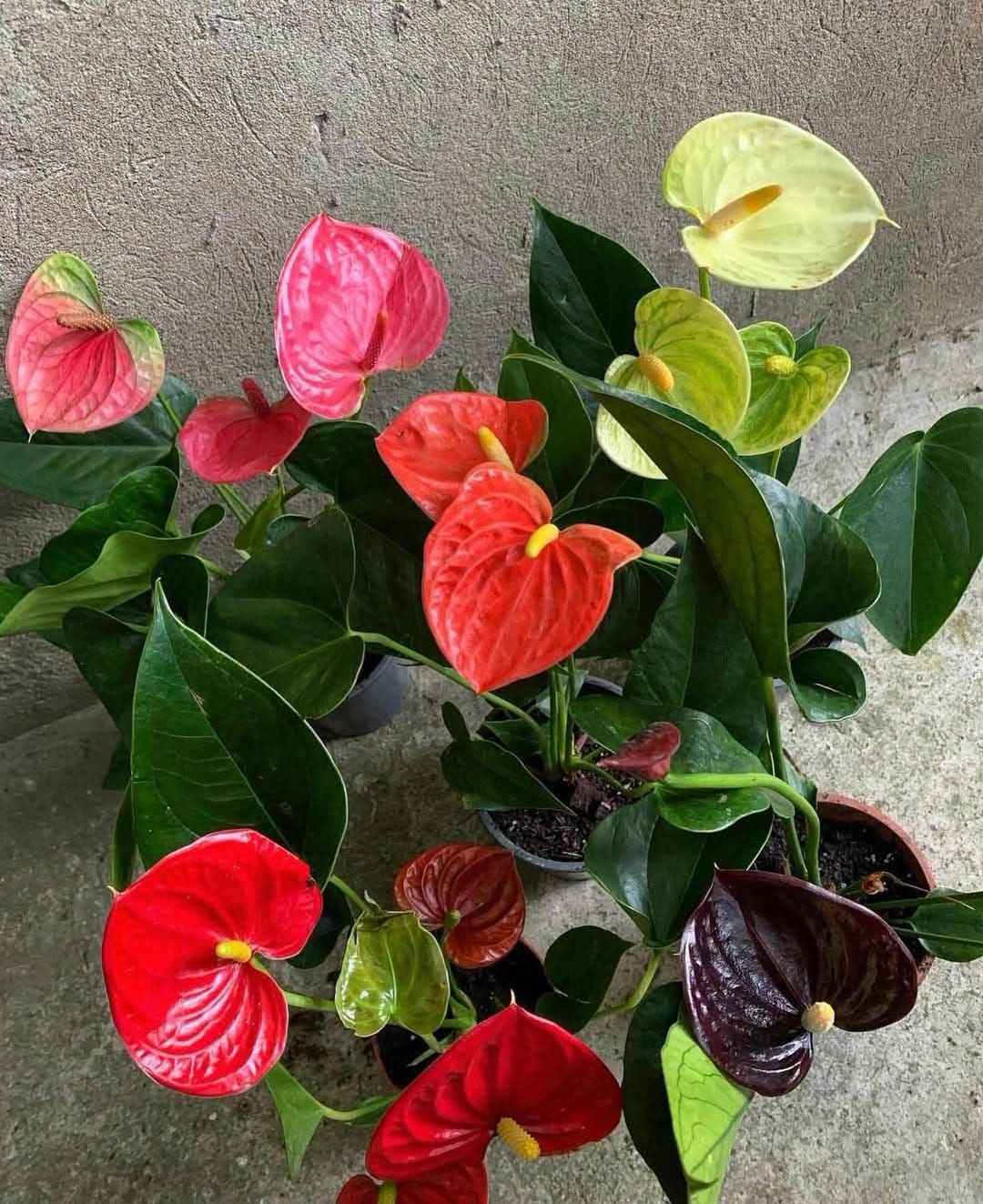
Pink tablet with Epsom salt to anthurium
: Should You Add a Pink Tablet and Epsom Salt? 🌿
Before adding a pink tablet mixed with Epsom salt to your Anthurium, identify the tablet. Its color cannot tell you what it contains, whether it is suitable for plants, or whether it should be combined with another substance.
Epsom salt has a known identity: magnesium sulfate. It can supply magnesium when a deficiency has been established, but it is not a complete fertilizer or a proven all-purpose flowering booster. Routine applications without evidence of a deficiency are not recommended.[1][2]
🔎 What Is the Pink Tablet?
Without its packaging, product name, or ingredient list, the tablet cannot be reliably identified. Calling it plant food—or assigning it a dosage—would be guesswork.
| Information needed | Why it matters |
|---|---|
| Exact product name | Identifies the tablet |
| Ingredients | Reveals what substances it contains |
| Intended use | Confirms whether it is meant for plants |
| Dissolving instructions | Establishes how it should be prepared |
| Application rate | Specifies the permitted concentration |
| Mixing directions | Indicates whether combining it with another product is allowed |
Do not assume a tablet intended for people, household cleaning, or another purpose is suitable for an Anthurium. Until the product is identified, leave it out of the pot.
🧂 What Does Epsom Salt Actually Do?
Epsom salt supplies magnesium and sulfur. Magnesium is part of chlorophyll, the pigment involved in photosynthesis, but adding more does not automatically make a healthy plant greener or more productive. Its usefulness depends on whether magnesium is actually deficient.[2][3]
| Common claim | What the evidence supports |
|---|---|
| “It makes every plant greener.” | Magnesium can help when a deficiency exists; extra magnesium is not universally beneficial. |
| “It guarantees more flowers.” | There is no basis for promising improved flowering without an identified nutritional need. |
| “It replaces fertilizer.” | It supplies specific nutrients, not a complete nutrient program. |
| “It is harmless because it is familiar.” | Unnecessary applications can create nutrient imbalances. |
Excess magnesium can interfere with calcium uptake, and Epsom salt sprays can scorch foliage. These are general plant-care cautions, not findings from a trial of this particular mixture on Anthurium.[2]
⚠️ Should You Mix the Two?
There is no responsible recipe for an unidentified pink tablet combined with Epsom salt. The tablet may already contain nutrients, or it may not be a plant product at all.
Before considering any combination:
- Identify the tablet and read its complete label.
- Check whether it already supplies magnesium.
- Confirm whether mixing with another product is permitted.
- Establish a reason for supplementing magnesium.
- Seek appropriate growing-medium or plant-tissue testing if a deficiency is suspected.
Yellow leaves or disappointing flowering alone do not establish a magnesium deficiency. Nutrient decisions should be based on diagnosis rather than appearance alone.[1][3]
☀️ Give Your Anthurium Suitable Growing Conditions
Anthuriums prefer bright, indirect light, warm conditions, high humidity, and a moist but well-drained growing medium. Too little light can slow growth and reduce flowering, while direct sunlight can scorch the foliage.[4]
| Care factor | Recommended starting point |
|---|---|
| Light | Bright, indirect light |
| Potting medium | Moisture-retentive but well-drained |
| Watering | Water when the surface feels dry |
| Temperature | Approximately 65–85°F, or 18–29°C |
| Humidity | Humid conditions; low humidity can brown leaf tips |
Review these conditions before adding a supplement. A tablet-and-salt mixture cannot replace suitable light, drainage, or humidity.[4]
🌱 Use an Identified Fertilizer Instead of a Mystery Mixture
When feeding is appropriate, choose a labeled houseplant fertilizer suitable for Anthuriums and follow its directions. Avoid layering supplements onto a feeding routine without checking what nutrients are already being supplied.
Excessive fertilizer can cause salt buildup, damaged roots, and stunted growth. More products do not necessarily produce better results.[5]
📋 Before You Add Anything: A Quick Checklist
| Question | If the answer is no |
|---|---|
| Do you know exactly what the pink tablet is? | Do not apply it. |
| Is it labeled for the intended plant use? | Choose an appropriate plant product instead. |
| Do its directions allow the proposed mixture? | Do not combine the products. |
| Has a magnesium deficiency been established? | Skip routine Epsom salt supplementation. |
| Are light, watering, and drainage suitable? | Address the growing conditions first. |
🌿 Thoughtful Care Beats a Secret Formula
A pink tablet and Epsom salt should not be presented as a guaranteed Anthurium growth or flowering treatment. The tablet remains unidentified, and Epsom salt has a specific nutritional role—not a universal benefit.
Build your routine around suitable growing conditions, an appropriate fertilizer, and clearly identified needs. Add a supplement only when you know what it contains and why your plant needs it.
Explore our website for more practical houseplant guides and indoor gardening inspiration. Support our growing community by sharing this article with a fellow plant lover.