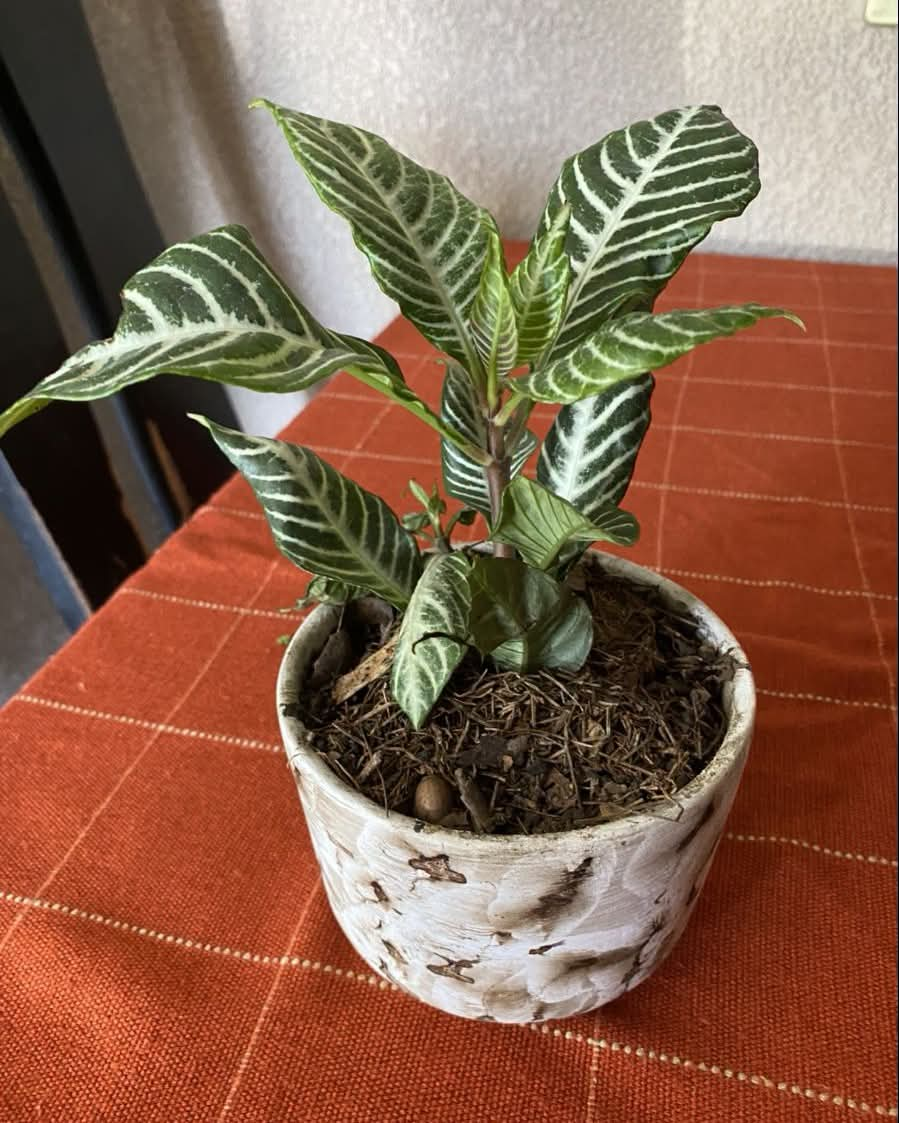
The White Milk-Like Liquid and Organic Fertilizer Trick for a Beautiful Zebra Plant: What Does It Really Do?

The beautiful plant in the picture appears to be a Zebra Plant (Aphelandra squarrosa), one of the most eye-catching tropical houseplants. Its deep green leaves, striking white veins, and elegant appearance make it a wonderful addition to an indoor plant collection.
Many plant lovers enjoy experimenting with natural ingredients and gentle feeding methods to support their houseplants. One interesting idea involves a white milk-like liquid combined with organic fertilizer. Before trying this method, however, it is important to understand what each ingredient can and cannot do, especially when caring for a tropical plant with delicate roots.
1. Understanding the White Liquid and Organic Fertilizer
Milk is sometimes mentioned in traditional gardening tips because it contains small amounts of nutrients, including calcium, proteins, and sugars. However, this does not mean that ordinary milk is a reliable fertilizer for indoor plants.
According to university gardening experts, there is not enough supporting evidence to recommend milk as a regular plant fertilizer. Applying it to potting soil can also create unpleasant odors and encourage unwanted microbial growth. Ask Extension +1
For this reason, it is better to treat milk as an experimental home remedy rather than an established feeding method.
Organic fertilizer, on the other hand, can provide nutrients that support healthy plant development when applied correctly. A suitable liquid organic houseplant fertilizer can help support leaf and stem growth during the active growing season.
The important point is to use the fertilizer according to its label rather than mixing it with milk.
2. Why Organic Feeding Matters for Zebra Plants
The Zebra Plant is admired for its dramatic foliage. Its dark green leaves are decorated with beautiful white veins that create a distinctive striped appearance.
To maintain attractive foliage, the plant needs a combination of:
- Appropriate nutrition.
- Consistent soil moisture.
- Bright, indirect light.
- Warm temperatures.
- Adequate humidity.
- Healthy, well-draining soil.
Organic matter in the growing medium can help maintain suitable soil structure and support root development. However, too much fertilizer can cause salt accumulation and damage delicate roots.
A gentle feeding routine is much better than repeatedly adding homemade mixtures.
3. How to Apply a White Liquid Fertilizer Safely

If the white liquid is a properly formulated liquid organic fertilizer, follow these steps:
- Check the product label and confirm that it is suitable for indoor foliage plants.
- Measure the recommended amount carefully.
- Dilute it with clean water if the instructions require dilution.
- Check that the potting mix is not completely dry before feeding.
- Slowly pour the prepared solution onto the soil around the base of the plant.
- Avoid pouring fertilizer directly onto the leaves or central growing point.
- Allow excess water to drain freely.
Do not use ordinary milk as a substitute for this fertilizer solution. It is not a dependable way to provide balanced nutrition.
4. Choosing the Right Organic Fertilizer

For a Zebra Plant, choose a gentle fertilizer designed for tropical foliage houseplants.
Look for a product that provides a balanced selection of essential plant nutrients, including nitrogen, phosphorus, and potassium.
Nitrogen supports leafy growth, phosphorus contributes to normal root development, and potassium plays a role in overall plant functions.
Always follow the manufacturer’s recommended dilution and frequency. The Royal Horticultural Society recommends regular liquid feeding during the growing season for Aphelandra squarrosa. zebra plant +1
5. The Best Watering Routine
Watering is particularly important for this tropical houseplant.
Zebra Plants prefer consistently moist but well-drained soil. Allowing the soil to become completely dry can cause leaves to droop, while excessive watering can damage the roots.
Here are some useful habits:
- Check the top layer of soil before watering.
- Water when the surface begins to feel slightly dry.
- Use a pot with drainage holes.
- Never leave the pot sitting in stagnant water.
- Reduce watering somewhat during the cooler winter months.
Good drainage and appropriate moisture levels are essential for maintaining healthy roots. zebra plant +1
6. Give Your Zebra Plant the Right Lighting

Light makes a significant difference in the appearance of Zebra Plant leaves.
Place the pot near a bright window where the plant receives filtered natural light. Avoid harsh afternoon sunlight, which can scorch its delicate foliage.
A location with bright, indirect light is generally a good choice.
Rotate the pot occasionally so different sides receive similar light exposure and the plant can maintain a balanced appearance.
7. Humidity and Temperature
Because Zebra Plants come from tropical regions of Brazil, they appreciate warm conditions and higher humidity.
Dry indoor air may contribute to brown leaf tips and curling foliage.
To create a more comfortable environment:
- Keep the plant away from cold drafts.
- Avoid placing it beside heating vents.
- Use a room humidifier if the air is very dry.
- Maintain a comfortably warm indoor temperature.
- Keep the plant away from sudden temperature changes.
These simple adjustments can make a noticeable difference in its overall growing conditions. North Carolina Extension Gardener Plant Toolbox +1
8. Common Mistakes to Avoid
Even experienced houseplant lovers can sometimes make mistakes when trying homemade feeding methods.
Here are a few things to avoid:
Using too much milk: Ordinary milk can spoil in potting soil and may create unpleasant odors. It is not a proven substitute for plant fertilizer.
Overfeeding: Too much organic or commercial fertilizer can harm roots and cause leaf problems.
Waterlogging: Zebra Plants appreciate moisture, but their roots still need oxygen.
Direct sunlight: Strong sunlight can damage the attractive white-veined leaves.
Ignoring drainage: A decorative pot without proper drainage can trap excess water around the roots.
9. A Simple Routine for Beautiful Zebra Plant Foliage
A healthy Zebra Plant does not need complicated homemade recipes. Consistent care is usually more valuable than experimenting with several ingredients.
Try following this simple routine:
- Provide bright, indirect light every day.
- Check soil moisture regularly.
- Use a suitable organic fertilizer during active growth.
- Maintain comfortable humidity.
- Remove damaged leaves when necessary.
- Inspect the undersides of leaves for pests.
- Keep the potting mix moist but never waterlogged.
With suitable growing conditions, your Zebra Plant can continue producing attractive foliage and may reward you with its distinctive yellow flower spikes.
Final Thoughts 🌿
The white liquid milk trick may look interesting in a gardening video, especially when combined with organic fertilizer. But it is important to distinguish traditional home remedies from proven plant-care practices.
For a beautiful Zebra Plant, a properly diluted organic fertilizer, good drainage, consistent moisture, and bright indirect light are more dependable choices.
Remember, the secret to maintaining a beautiful houseplant is not adding more ingredients. It is understanding what the plant actually needs and providing the right care at the right time.
Have you ever tried a homemade feeding mixture on your indoor plants? Share your experience and favorite plant-care tips in the comments! 🌱