: The Amber Liquid Fertilizer Recipe with Banana Peels, Compost Tea, and Honey 🌿🍯
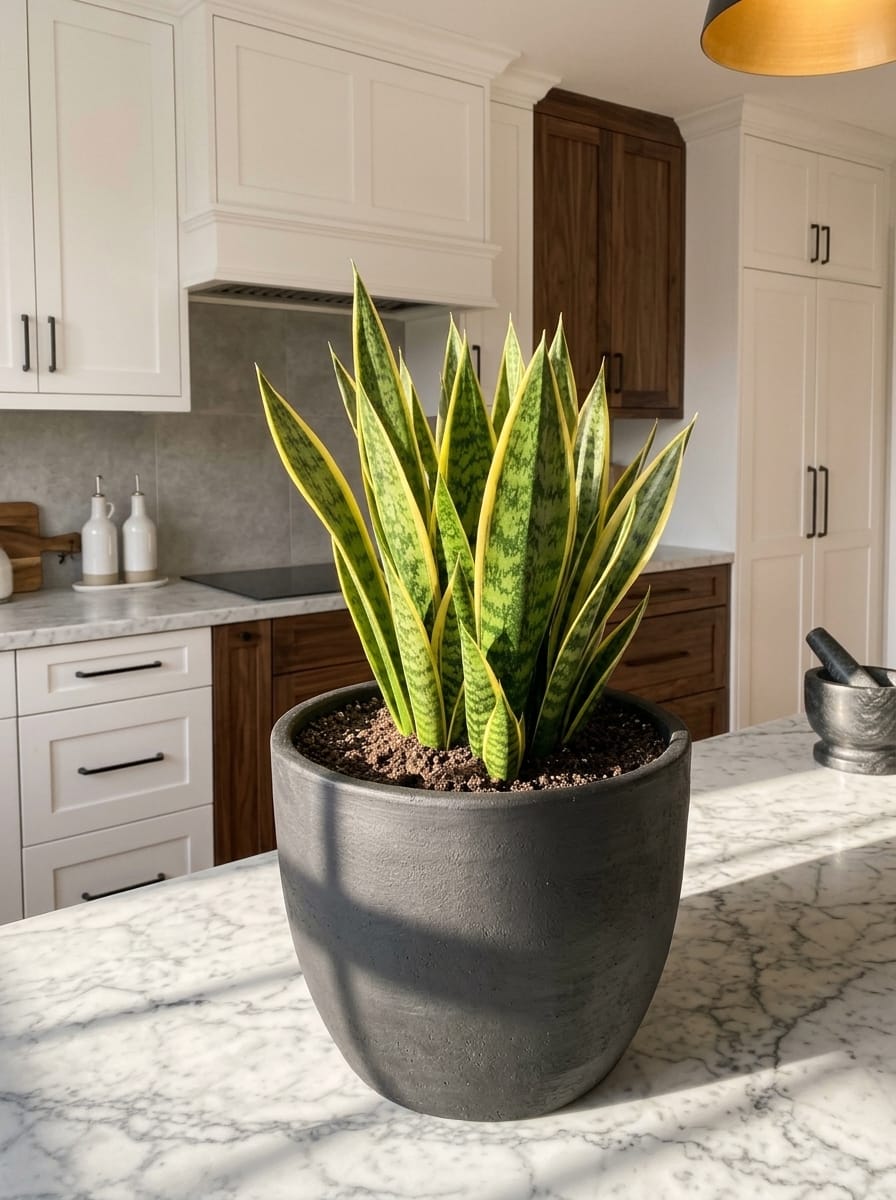
The Snake Plant (Dracaena trifasciata), also known as Mother-in-Law’s Tongue, is one of the most popular indoor plants. Its beautiful upright leaves, striking green patterns, and ability to tolerate dry conditions make it a favorite among houseplant lovers.
But even a hardy plant like the Snake Plant needs proper care to maintain healthy roots, produce fresh leaves, and develop strong new shoots.
One gardening technique that attracts attention is the use of an amber-colored homemade liquid made with banana peels, compost tea, and honey.
What is this mixture, what does each ingredient contribute, and is it actually beneficial for your Snake Plant?
Let’s explore the ingredients, their properties, and safer ways to care for your plant.
🍯 What Is the Amber Liquid?
The amber-colored liquid in this gardening idea is inspired by a homemade plant-care mixture using three familiar ingredients:
- Banana peel infusion.
- Finished compost tea.
- A small amount of honey.
Each ingredient has different properties, but it is important to understand that this combination is not a scientifically established fertilizer.
1. Banana Peel Infusion
Banana peels contain small amounts of minerals, including potassium, which plants use for various growth processes.
When banana peels are soaked in water, some soluble compounds may enter the water. However, the amount of available nutrients is unpredictable.
Banana peel water should not be considered a complete fertilizer because it does not provide a balanced supply of essential plant nutrients.
2. Compost Tea
Compost tea is prepared using mature, finished compost and water.
Depending on the compost and preparation method, it may contain dissolved nutrients and microorganisms.
Good-quality finished compost can be useful in gardening, but homemade compost tea is not a guaranteed fertilizer, and its nutrient content varies considerably.
Always use properly finished, clean compost. Avoid homemade mixtures that smell rotten or contain decomposing materials.
3. Honey
Honey is a natural source of sugars and contains several other compounds.
However, honey is not a suitable fertilizer for Snake Plants.
Adding honey to potting soil can encourage unwanted microbial activity, attract insects, and create conditions that may contribute to root problems.
Important: Do not pour a banana-peel, compost-tea, and honey mixture into your Snake Plant’s soil. Honey does not provide a proven growth benefit, and this combination is not a reliable or safe plant treatment.
🌱 What Does a Snake Plant Actually Need?
If your goal is to encourage stronger leaves, healthy roots, and new baby plants, focus on the conditions that make the biggest difference.
Step 1: Choose Well-Draining Soil
Snake Plants are susceptible to root rot when their roots remain wet for too long.
Use a cactus and succulent potting mix or a well-draining indoor plant mix amended with perlite or pumice.
Step 2: Provide Appropriate Light
Snake Plants tolerate low-light conditions, but they generally grow better with bright, indirect light.
A location near a bright window is often ideal.
Avoid exposing a plant that has been growing indoors in low light to intense direct sunlight suddenly.
Step 3: Water Only When Needed
This is one of the most important rules.
Allow the potting mix to dry out completely before watering again.
Depending on temperature, light, pot size, and season, this may take several weeks.
Always use a pot with drainage holes.
Step 4: Use Balanced Plant Fertilizer
During active growth, you can feed your Snake Plant with a balanced liquid fertilizer formulated for houseplants or succulents.
Dilute it according to the manufacturer’s instructions. Avoid excessive feeding, especially during colder months when growth slows.
Step 5: Encourage New Shoots
Healthy mature Snake Plants can produce new shoots, commonly called pups, from underground rhizomes.
Provide appropriate light, avoid overwatering, and allow the plant enough time to establish itself.
When the pups become sufficiently developed, they can eventually be separated and replanted.
🌿 Signs Your Snake Plant Is Healthy
Look for these encouraging signs:
- Firm, upright leaves.
- Consistent green coloration.
- Healthy roots without unpleasant odors.
- New shoots emerging from the soil.
- Gradual growth during the active growing season.
If the leaves become soft, yellow, or mushy, inspect the soil and roots for signs of overwatering.
⚠️ Common Mistakes to Avoid
- Watering before the soil has dried.
- Adding honey or sugary mixtures to the potting soil.
- Using unfinished compost.
- Applying concentrated fertilizer.
- Keeping the plant in a pot without drainage.
- Assuming homemade banana peel water provides all essential nutrients.
💚 Final Thoughts
A Snake Plant does not need complicated kitchen mixtures to thrive.
Although banana peels, compost, and honey are familiar natural ingredients, combining them does not create a proven plant-growth fertilizer.
The best approach is to provide well-draining soil, appropriate light, careful watering, and occasional balanced fertilization.
With consistent care and patience, your Snake Plant can develop beautiful upright foliage and produce healthy new shoots for years to come!