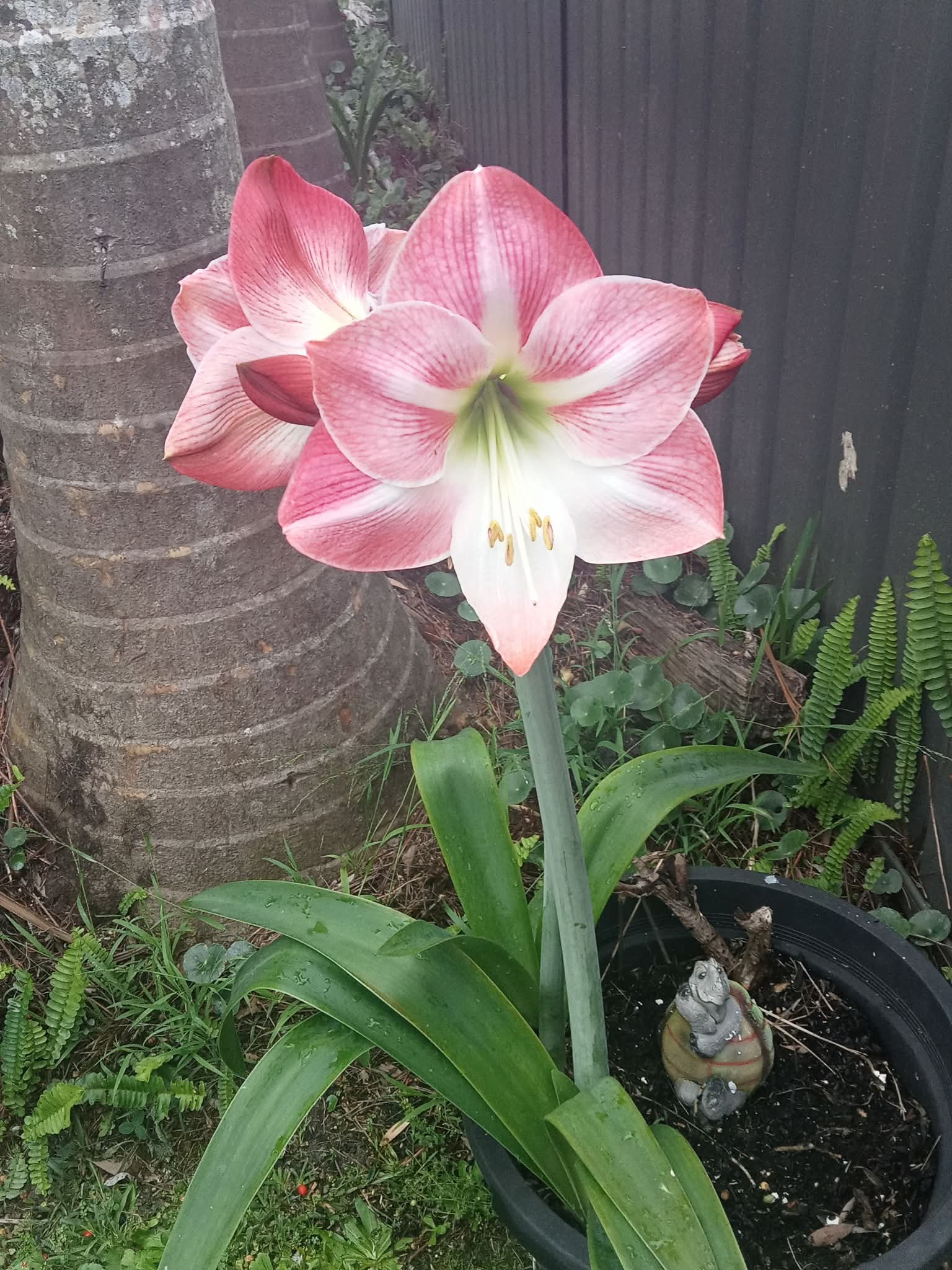
How to Nourish Your Amaryllis Naturally and Encourage Spectacular Blooms
Amaryllis is one of the most breathtaking flowering plants you can grow at home. Its magnificent trumpet-shaped flowers, vibrant colors, and tall flower stems make it a beautiful addition to gardens, patios, and indoor spaces.
If you want your Amaryllis to produce healthy leaves, strong roots, and impressive flowers, proper nutrition and consistent care are essential.
Many gardening enthusiasts enjoy exploring natural fertilizers made from everyday household materials. Compost tea, used coffee grounds, and banana peels are popular options because they contain organic matter and certain plant nutrients.
In this guide, we will explore how compost tea can fit into an Amaryllis care routine, how to use coffee and banana peels responsibly, and how to encourage beautiful flowering without harming your plant.
1. Why Amaryllis Needs Proper Nutrition
Amaryllis bulbs store energy that helps them produce their spectacular flowers. After flowering, healthy foliage is especially important because the leaves help replenish the bulb for future blooming seasons.
A suitable fertilizer routine can support:
- Stronger root development.
- Healthy green leaves.
- Better bulb development.
- Strong flower stems.
- Energy storage for future flowering.
A balanced fertilizer formulated for flowering bulbs is generally the most reliable choice.
2. Understanding Compost Tea for Amaryllis
Compost tea is a liquid preparation made by extracting soluble substances from mature, finished compost into water.
It can contain small amounts of plant nutrients and beneficial microorganisms, depending on the compost and preparation method.
When used appropriately, it can be part of a broader organic gardening routine.
How to Prepare a Simple Compost Tea
You will need:
- 1 cup of mature, finished, well-decomposed compost.
- 4–5 liters of clean water.
- A clean bucket.
- A fine strainer.
Preparation steps:
- Place the mature compost into a clean bucket.
- Add the water.
- Stir gently to distribute the compost.
- Allow the mixture to steep for approximately 12–24 hours.
- Stir occasionally.
- Strain the mixture before using it.
Use the preparation promptly and avoid storing it for several days.
Apply a small amount to the soil around the plant, rather than pouring it directly over the bulb or leaves.
Only use clean, fully composted material. Avoid compost containing animal waste that has not been properly treated.
3. Can Banana Peels Benefit Amaryllis?
Banana peels contain potassium and other minerals, which explains their popularity in homemade gardening preparations.
Potassium plays an important role in plant metabolism, water regulation, and overall growth.
However, simply soaking banana peels in water does not guarantee that meaningful quantities of nutrients will become available to your plant.
A better approach is to compost banana peels properly before incorporating them into your garden compost.
Avoid burying fresh banana peels directly beside an Amaryllis bulb because they can attract insects and encourage unwanted decomposition.
4. Using Coffee Grounds in Your Gardening Routine
Used coffee grounds contain organic matter and small amounts of nutrients.
They can be incorporated into a properly managed compost pile, where they break down alongside other organic materials.
Here are some important precautions:
- Use only used coffee grounds, not concentrated coffee.
- Add them to compost rather than placing thick layers around the bulb.
- Allow them to decompose properly.
- Avoid applying excessive amounts.
- Do not assume coffee grounds will automatically make flowers larger or more colorful.
Too much coffee material can affect soil conditions and create an undesirable surface layer.
5. How to Combine These Natural Materials Safely
Instead of mixing raw banana peels, coffee grounds, and water into one homemade fertilizer, use a more controlled approach.
- Add banana peels and used coffee grounds to your compost pile.
- Combine them with dry leaves and other suitable compost materials.
- Allow the materials to decompose completely.
- Use the finished compost to prepare compost tea if desired.
- Apply the liquid sparingly to moist soil.
Remember that compost tea is not a complete fertilizer. For consistent nutrition, combine good soil management with a balanced fertilizer suitable for flowering bulbs.
6. The Secret to Beautiful Amaryllis Flowers
Nutrition is only one part of successful Amaryllis care.
Your plant also needs the right growing conditions.
Lighting: Provide plenty of bright light. During active growth, several hours of sunlight can help maintain strong foliage.
Watering: Water when the upper layer of soil begins to dry. Avoid keeping the bulb constantly wet.
Drainage: Choose a pot with drainage holes and use a loose, well-draining growing medium.
Temperature: Protect the plant from extreme temperatures and frost.
Fertilizing: During active leaf growth, use a balanced fertilizer according to its label instructions.
7. Why Healthy Leaves Matter After Flowering
One of the biggest mistakes gardeners make is neglecting Amaryllis after its flowers fade.
The green leaves are essential because they collect sunlight and help the bulb store energy for its next flowering cycle.
After blooming:
- Remove faded flowers.
- Keep healthy green leaves intact.
- Continue providing adequate light.
- Water according to soil moisture.
- Feed moderately during active growth.
- Allow the bulb to complete its natural growth cycle.
Healthy foliage today can contribute to beautiful flowers in a future season.
8. Common Mistakes to Avoid
Even experienced gardeners can accidentally damage their plants through excessive feeding or incorrect watering.
Avoid these mistakes:
- Applying fresh banana peels directly to the soil.
- Adding thick layers of coffee grounds around the bulb.
- Using unfinished compost.
- Overwatering the plant.
- Allowing water to collect around the bulb.
- Applying concentrated homemade fertilizers.
- Cutting healthy green leaves immediately after flowering.
Moderation is always better than experimenting with too many homemade treatments.
Final Thoughts
Growing a spectacular Amaryllis does not require expensive products or complicated gardening tricks.
A healthy bulb, suitable sunlight, well-draining soil, careful watering, and balanced nutrition provide the foundation for beautiful flowers.
Compost tea, banana peels, and used coffee grounds can all have a place in a responsible organic composting routine, but they should be used thoughtfully rather than treated as miracle fertilizers.
Give your Amaryllis consistent care, protect its healthy foliage, and enjoy the magnificent blooms it can produce season after season!