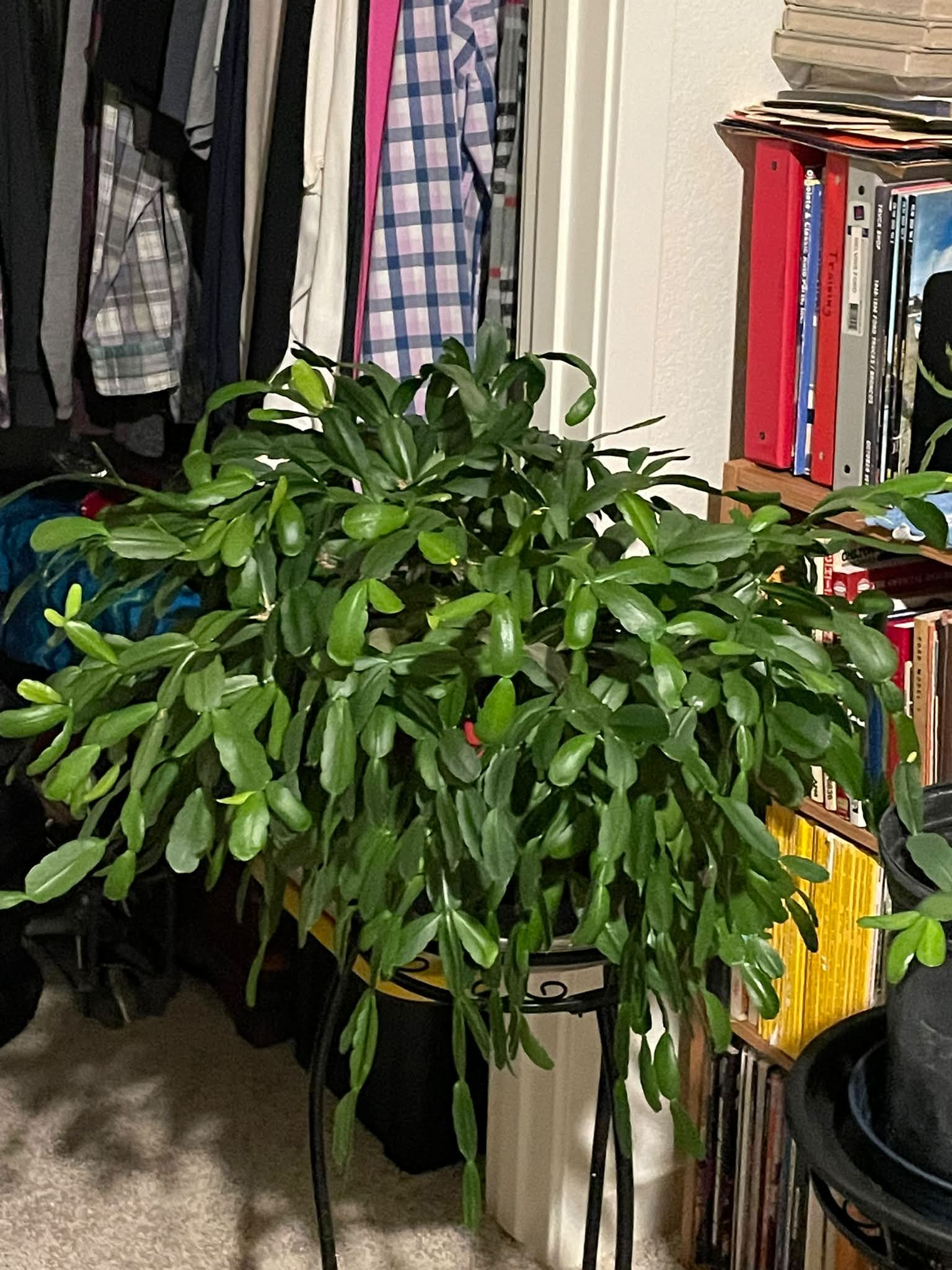
Indoor plants bring beauty, freshness, and a natural touch to any home. With their lush green foliage and attractive growth, they can transform an ordinary corner into a peaceful indoor garden. However, keeping plants healthy and encouraging strong new growth requires more than occasional watering.
One gardening tip that has attracted attention among plant lovers involves adding a small amount of a naturally occurring mineral supplement to the growing medium. When used appropriately, it can help address certain nutritional deficiencies and support healthier plant development.
In this guide, we will explore how to care for leafy indoor plants, when this mineral supplement may be useful, and how to avoid common mistakes that can damage your plants.
Why Do Indoor Plants Sometimes Need Extra Nutrients?
Even when a houseplant looks green and healthy, it may occasionally need additional nutrients to maintain steady growth.
Plants obtain most of their essential nutrients from their growing medium. Over time, nutrients can become depleted, especially when plants remain in the same pot for several years.
Some common signs of nutritional problems include:
- Older leaves developing unusual yellowing between the veins.
- Slower growth despite suitable lighting.
- Pale or discolored foliage.
- Weak development of new leaves.
- Reduced overall plant vigor.
However, these symptoms can also result from overwatering, poor drainage, insufficient light, or damaged roots. It is important to identify the actual cause before applying any treatment.
Understanding the Role of Magnesium in Plant Growth
Magnesium is an essential plant nutrient that plays an important role in chlorophyll production. Chlorophyll is the green pigment that allows plants to capture light energy during photosynthesis.
When a plant experiences magnesium deficiency, older leaves may develop yellow areas between the veins while the veins remain greener.
This is where a mineral supplement containing magnesium and sulfur may become useful.
Epsom salt is magnesium sulfate. It can provide these two nutrients when they are genuinely needed, but it is not a complete fertilizer and does not supply all the nutrients required for healthy plant growth.
How to Use This Mineral Supplement Carefully
Before applying anything to your plant, make sure it actually needs additional magnesium.
Here are some important precautions:
- Examine the leaves for signs of possible nutrient deficiency.
- Check the soil moisture and drainage.
- Consider whether the plant has received regular, balanced fertilization.
- If magnesium deficiency is suspected, confirm it when possible through a soil or growing-medium test.
- Follow the product label or a reliable plant-specific recommendation for the correct dilution.
- Apply the solution only when the growing medium needs watering.
- Avoid repeatedly adding extra minerals without checking the plant’s response.
Do not simply pour large quantities of dry mineral granules onto the soil. Excess magnesium sulfate can increase salt accumulation and interfere with the plant’s ability to absorb other essential nutrients.
The Importance of Proper Watering
Watering is one of the most important parts of indoor plant care.
Different houseplants have different moisture requirements, so it is important to understand the needs of your particular plant.
For plants with fleshy or segmented leaves, excessive watering can be especially problematic.
Follow these general guidelines:
- Check the moisture level before watering.
- Allow the upper portion of the growing medium to dry when appropriate for the species.
- Use a pot with drainage holes.
- Empty excess water from the saucer.
- Avoid leaving the roots sitting in water.
- Adjust watering frequency according to temperature and seasonal growth.
A consistent watering routine helps protect the roots and supports healthy foliage.
Choose the Right Growing Medium
Healthy roots are essential for attractive leaves and steady growth.
A suitable potting mix should provide both moisture retention and sufficient air circulation.
For many tropical indoor plants, a loose, well-draining mixture containing quality potting soil and suitable aeration materials can work well.
Avoid compacted soil because it can restrict airflow around the roots and increase the risk of root damage.
If your plant has remained in the same container for several years, inspect the roots and consider repotting when necessary.
Provide Enough Light for Beautiful Green Leaves
Lighting has a major influence on indoor plant development.
Place your plant in a location with suitable bright, indirect light if that matches its species.
Avoid suddenly moving a plant from a dark corner into intense direct sunlight. Gradual adjustments help prevent leaf damage.
Rotate the container occasionally so that different sides receive similar light exposure.
Good lighting encourages balanced growth and helps maintain attractive foliage.
Common Mistakes to Avoid
Even experienced plant lovers sometimes make mistakes when using homemade plant treatments.
Here are some important things to remember:
1. Using too much mineral supplement: More is not always better. Excessive magnesium sulfate can create nutrient imbalances.
2. Applying treatments without identifying the problem: Yellow leaves do not automatically mean magnesium deficiency.
3. Ignoring soil drainage: Poor drainage can damage roots regardless of which fertilizer you use.
4. Overwatering: Constantly wet soil can lead to root problems.
5. Neglecting balanced nutrition: Magnesium sulfate cannot replace a complete fertilizer containing other essential plant nutrients.
How to Maintain a Beautiful, Full Indoor Plant
Regular maintenance makes a noticeable difference in the appearance of houseplants.
Remove dead or damaged foliage using clean pruning scissors. Inspect the leaves occasionally for pests, and clean accumulated dust with a soft, damp cloth when appropriate.
Monitor new growth and watch for changes in leaf color or texture.
Most importantly, avoid experimenting with multiple homemade treatments at the same time. Giving your plant a stable environment makes it easier to understand what works and what does not.
Final Thoughts
Beautiful indoor plants are the result of consistent care, suitable lighting, proper watering, and healthy roots.
Magnesium sulfate can be useful when a genuine magnesium deficiency is present, but it should not be treated as a miracle growth booster. Applying it unnecessarily may cause more problems than benefits.
Pay attention to your plant’s individual needs, choose an appropriate growing medium, and use fertilizers responsibly.
With the right care routine, your leafy houseplants can remain attractive, healthy, and full of life throughout the year.
Have you ever used a mineral supplement to care for your indoor plants? Share your experience and favorite plant-care tips in the comments below!