The Secret to Lush Green Leaves and Healthier Indoor Plants: A Natural Plant Care Experiment!
Give Your Indoor Plants a Fresh Start with a Simple Care Routine
Have you ever wondered how to keep your indoor plants looking fresh, vibrant, and full of beautiful green leaves?
Every plant lover dreams of having a home filled with healthy foliage, strong stems, and exciting new growth.
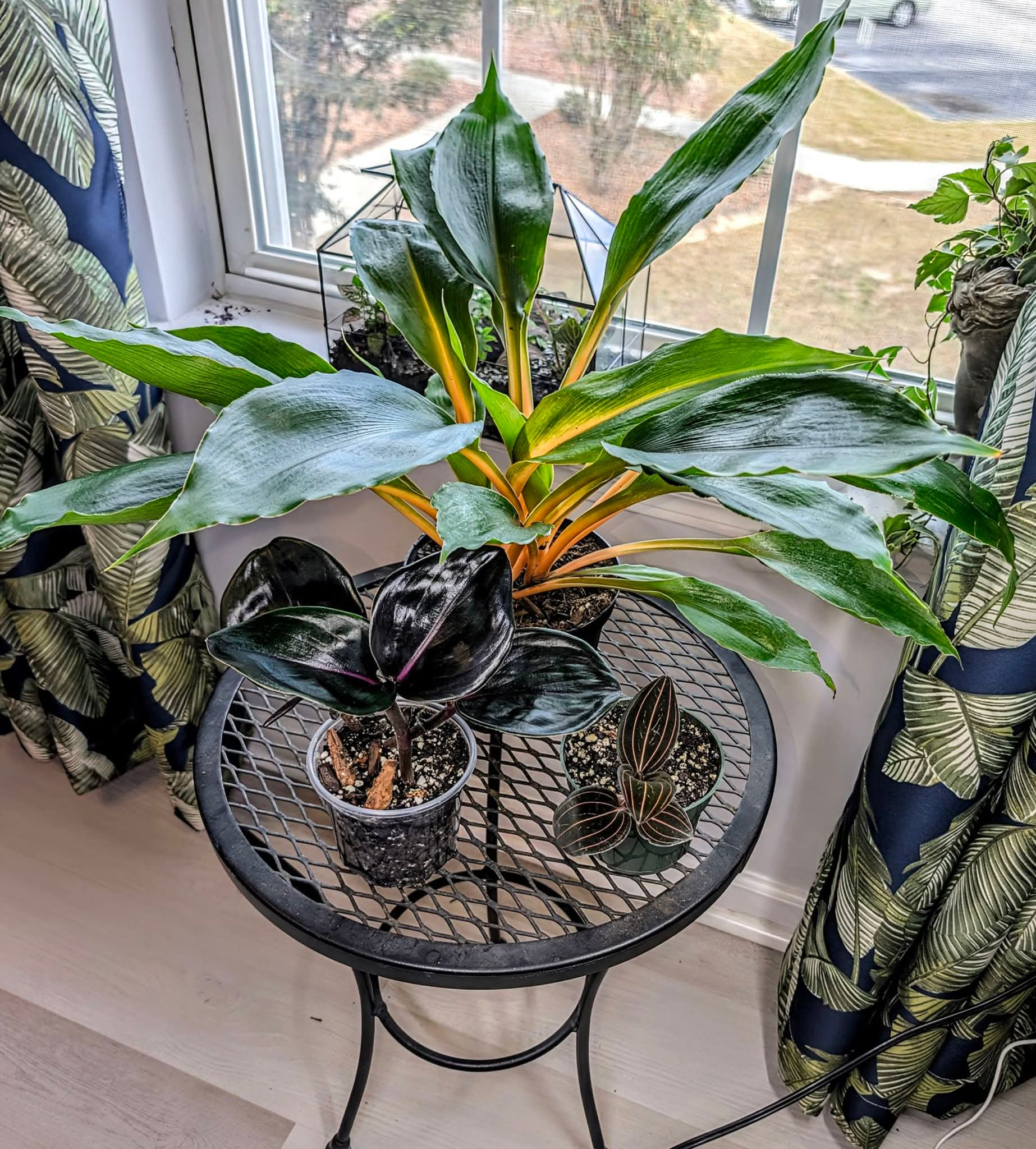
The beautiful plants in this picture show just how rewarding indoor gardening can be. Their attractive foliage, different leaf shapes, and rich green colors create a wonderful indoor garden display.
But maintaining healthy houseplants requires more than simply watering them from time to time.
Their roots need the right growing environment, their leaves need suitable light, and their growing medium must provide access to essential nutrients.
In this gardening experiment, we explore a combination of a white liquid treatment and organic fertilizer as part of a plant-care routine.
The goal is to understand how proper nutrition, healthy soil conditions, and careful watering can support beautiful foliage and stronger plant development.
Let’s discover how to care for these plants and encourage fresh, healthy growth.
Why Healthy Indoor Plants Need Proper Nutrition
Indoor plants depend on several essential elements to maintain healthy growth.
These include:
- Nitrogen for healthy leaf and stem development.
- Phosphorus for energy transfer and root development.
- Potassium for several important plant functions.
- Magnesium for chlorophyll production.
- Calcium for normal cell development.
- Essential micronutrients for healthy metabolism.
When plants receive appropriate nutrition, suitable light, and proper watering, they have a better opportunity to produce healthy new leaves.
However, too much fertilizer can cause more harm than good.
Excessive nutrients may accumulate in the growing medium and damage sensitive roots.
This is why balanced feeding is always better than applying large quantities of homemade mixtures.
Understanding the White Liquid Plant Treatment
Milk is sometimes used in homemade gardening experiments because it contains water, proteins, sugars, and small amounts of minerals.
Some gardening enthusiasts explore diluted milk as an occasional foliar treatment.
However, it is important to understand that milk is not a complete plant fertilizer.
It does not provide all the essential nutrients in the correct proportions that houseplants need.
Using concentrated milk or pouring large amounts into a plant pot can create problems.
Undiluted milk may produce unpleasant odors, encourage microbial growth, and attract insects.
For this reason, milk should never replace a proper fertilizer or regular plant-care routine.
What Are the Potential Benefits of Diluted Milk?
1. An Interesting Foliar Gardening Experiment
Some gardeners experiment with very dilute milk sprays on foliage.
However, the results are not consistently proven for ordinary houseplants, and residues may develop on leaves.
2. Small Quantities of Minerals
Milk contains small amounts of minerals, including calcium and potassium.
Nevertheless, these quantities are not a reliable source of balanced plant nutrition.
3. Supporting Gardening Curiosity
Exploring different gardening methods can help plant enthusiasts understand the importance of choosing appropriate materials and observing plant responses.
For everyday houseplant care, a complete commercial fertilizer is a much more dependable choice.
The Importance of Organic Fertilizer
Organic fertilizers are commonly used to support plant nutrition and improve the growing environment.
Depending on the product, they may contain decomposed organic matter and nutrients that become available through biological processes.
Some organic fertilizers also contribute to the physical and biological properties of the growing medium.
Why Organic Fertilizer Can Be Useful
1. Supporting Healthy Leaf Development
Nitrogen is especially important for the formation of chlorophyll and healthy foliage.
An appropriate fertilizer provides nutrients that support normal plant growth.
2. Supporting Root Development
Healthy roots depend on suitable nutrition, oxygen, moisture, and temperature.
Organic matter can contribute to a suitable growing environment when properly incorporated.
3. Improving Growing Medium Quality
Some compost-based products improve moisture management and soil structure.
However, the quality of compost and its nutrient content vary considerably.
4. Encouraging Sustainable Gardening
Using mature, well-prepared compost is an excellent way to recycle organic materials and support more sustainable gardening practices.
How to Apply Organic Fertilizer Safely
Before adding any fertilizer, always check the product label.
Choose a fertilizer suitable for indoor foliage plants.
Follow these simple steps:
Step 1: Check the Plant’s Condition
Look carefully at the leaves, stems, and growing medium.
Avoid fertilizing a plant that is severely stressed, suffering from root rot, or showing signs of serious disease.
Step 2: Choose a Suitable Organic Fertilizer
Select a well-prepared, mature compost or a balanced organic fertilizer designed for houseplants.
Avoid fresh manure and unfinished compost.
Step 3: Apply the Correct Amount
Follow the manufacturer’s instructions.
Do not assume that using more fertilizer will produce faster or better growth.
Step 4: Protect the Roots
Distribute suitable solid organic amendments carefully without burying the plant’s crown or covering the main stems.
Step 5: Water According to the Plant’s Needs
Water when the growing medium reaches the appropriate dryness level for that particular plant.
Make sure the container has adequate drainage.
How to Encourage Beautiful New Leaves
One of the most exciting parts of indoor gardening is seeing fresh leaves emerge.
New foliage is a wonderful sign that a plant is actively growing.
Here are several important ways to encourage healthy development.
1. Provide Bright, Indirect Light
Many tropical foliage plants appreciate bright, filtered natural light.
Place them near a suitable window while avoiding intense direct sunlight that may burn delicate leaves.
Different species have different light requirements, so adjust their positions accordingly.
2. Maintain Proper Watering
Overwatering is one of the most common causes of houseplant problems.
Before watering, check the growing medium.
Some plants prefer consistently lightly moist soil, while others need the upper layer to dry before receiving more water.
Never allow roots to remain continuously waterlogged.
3. Choose the Right Potting Mix
A good potting mix should provide both moisture retention and adequate aeration.
For tropical foliage plants, a mixture containing quality potting soil, perlite, and suitable organic components can help create a healthier root environment.
4. Maintain Suitable Humidity
Many tropical plants appreciate moderate to higher humidity.
If indoor air is very dry, consider using a humidifier.
Good air circulation is equally important.
5. Feed During Active Growth
During periods of active growth, appropriate fertilizer can help supply nutrients needed for new foliage.
Follow the recommended feeding schedule and reduce or stop fertilizing when plant growth naturally slows.
6. Remove Damaged Leaves
Remove completely dead or badly damaged leaves with clean scissors.
This improves the plant’s appearance and allows you to monitor its overall condition.
Why You Should Avoid Pouring Milk Directly into Plant Pots
Although milk is frequently mentioned in homemade gardening advice, pouring it directly into indoor plant containers is not recommended.
There are several reasons:
- Milk can decompose and produce unpleasant odors.
- Organic residues may encourage unwanted microbial activity.
- It may attract insects.
- It can leave deposits in the growing medium.
- It does not replace a balanced fertilizer.
- Excessive organic residues can affect root conditions.
If your goal is stronger roots and beautiful leaves, use clean water and an appropriate fertilizer instead.
Common Mistakes That Can Prevent Healthy Plant Growth
Even beautiful indoor plants can struggle when their basic needs are overlooked.
Avoid these common mistakes:
Overwatering: Too much moisture can cause root damage.
Overfertilizing: Excess nutrients can burn roots and damage foliage.
Insufficient Light: Plants may develop weak, stretched growth.
Poor Drainage: Waterlogged soil creates unhealthy root conditions.
Using Unfinished Compost: Fresh or immature compost can damage sensitive plants.
Applying Too Many Homemade Treatments: Combining several kitchen ingredients can make it difficult to identify what is helping or harming the plant.
A simple, consistent care routine is often the best approach.
Final Thoughts: A Greener Home Begins with Healthy Roots
Indoor gardening is a beautiful way to bring nature into your home.
The plants shown in the picture demonstrate how attractive a collection of healthy foliage plants can be.
Their different leaf shapes, deep green colors, and elegant growth habits make them wonderful decorative additions to any room.
Although milk and organic fertilizer are sometimes explored together in homemade gardening experiments, they do not provide a guaranteed shortcut to bigger leaves or faster growth.
Mature compost or a suitable balanced fertilizer can support plant nutrition, while milk should not be considered a necessary or complete plant treatment.
The real secret to beautiful indoor plants is understanding their individual needs.
Give them appropriate light, suitable watering, healthy growing media, and balanced nutrition.
With patience and consistent attention, your plants can reward you with fresh foliage, healthy roots, and beautiful new growth.
Remember: healthy roots create the foundation for healthy plants!
Share Your Plant Care Experience!
Do you enjoy experimenting with natural gardening methods?
Have you ever used organic compost or homemade treatments for your indoor plants?
We would love to hear your thoughts!
❤️ LIKE this article if you love beautiful indoor plants.
🌿 FOLLOW our website for more indoor gardening tips, organic plant-care ideas, and easy ways to encourage healthy growth.
📢 SHARE this article with your friends and fellow plant lovers.
💬 LEAVE A COMMENT and tell us your favorite way to keep houseplants healthy and beautiful.
Thank you for supporting our gardening community!
Happy gardening, and may your home always be filled with beautiful green leaves and thriving plants!