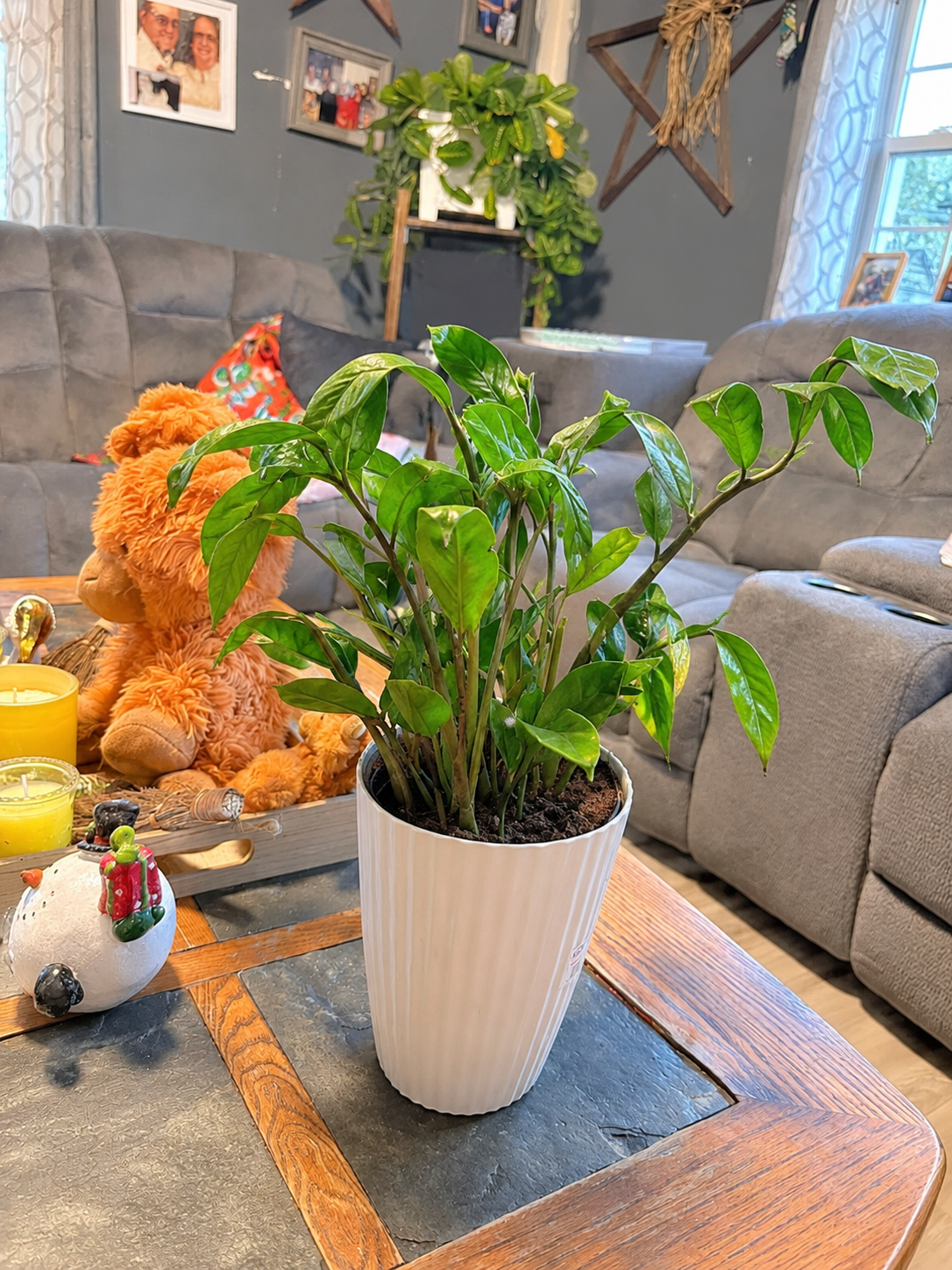
🌿 The Secret Behind White Epsom Salt: Can These Tiny Crystals Help Your Houseplants Grow Greener?
Have you ever looked at your favorite houseplant and wished its leaves were greener, healthier, and more beautiful? Sometimes, the simplest gardening ingredients attract the most attention. One of them is Epsom salt, a white, crystal-like substance that many gardeners keep in their homes.
But what exactly is Epsom salt, and why do plant lovers use it in their gardening routines?
Let’s explore this popular gardening ingredient and discover how it may benefit certain plants when used correctly.
🌱 What Is Epsom Salt?
Epsom salt is a naturally occurring mineral compound known as magnesium sulfate. It contains two important elements: magnesium and sulfur.
Magnesium plays an important role in plant health because it is part of the chlorophyll molecule, which helps plants capture sunlight and produce energy through photosynthesis.
Sulfur also contributes to several important plant processes, including protein production and healthy growth.
This is why magnesium and sulfur are essential nutrients for plants. However, not every plant needs additional amounts of these minerals.
🌿 Why Do Some Gardeners Use Epsom Salt?
Gardeners sometimes use Epsom salt when their plants show signs of magnesium deficiency.
Possible signs include:
- Yellowing between the veins of older leaves.
- Reduced growth and poor plant development.
- Leaves losing their natural green appearance.
- Certain nutrient-related growth problems.
These symptoms can also have other causes, including overwatering, poor drainage, unsuitable soil conditions, and other nutrient deficiencies. Therefore, it is important to identify the actual problem before adding any treatment.
🪴 How Does Magnesium Support Plants?
Magnesium helps plants maintain healthy green foliage and supports photosynthesis.
When a plant does not receive enough magnesium, its older leaves may develop yellow areas while the veins remain greener.
Providing magnesium can help correct a genuine deficiency, allowing the plant to return to healthier growth over time.
Remember: adding more magnesium does not automatically mean better growth. Too much can interfere with the absorption of other nutrients.
💧 How Should Epsom Salt Be Used?
Before applying Epsom salt, check whether your plant actually needs additional magnesium.
A soil test is a helpful way to determine whether magnesium levels are low.
If a deficiency is confirmed, follow a suitable recommendation for the particular plant and growing medium. Avoid sprinkling large quantities of white crystals directly around the roots.
Epsom salt is not a complete fertilizer. It does not provide all the nutrients plants need, such as nitrogen, phosphorus, and potassium.
🌸 What About Indoor Plants?
Indoor plants need special attention because they grow in a limited amount of potting mix.
Plants such as ZZ plants, pothos, peace lilies, and snake plants generally benefit most from proper watering, suitable lighting, good drainage, and balanced nutrition.
For a ZZ plant, in particular, yellowing or drooping leaves are not automatically signs of magnesium deficiency. Overwatering and root problems are common possibilities.
The best approach is to understand your plant before choosing a treatment.
⚠️ An Important Gardening Reminder
Epsom salt is not a magical solution for every plant problem.
Using it unnecessarily may increase the salt content of the growing medium and potentially damage roots or disturb nutrient balance.
Always remember that healthy plants need the right conditions, not simply more ingredients.
Sometimes, the best gardening trick is knowing what NOT to add!
💚 Final Thoughts
Gardening is a journey of learning, experimenting carefully, and understanding what our plants need.
Epsom salt can have a useful role when magnesium deficiency is present, but responsible application makes all the difference.
Observe your plants, learn from their leaves, check your soil, and give them the care they deserve.
🌿 What do you think about using Epsom salt in gardening? Have you ever tried it on your houseplants?
Share your experience in the comments!
💚 Follow Garden Gleaning for more gardening tips, natural plant care ideas, watering techniques, and inspiration to help your garden thrive.
🌸 LIKE • SHARE • FOLLOW • GROW TOGETHER!
Let’s grow something beautiful! 🌱