The Secret to a Beautiful Spiral-Leaved Succulent: A Guide to Using Charcoal Granules 🌿🪴
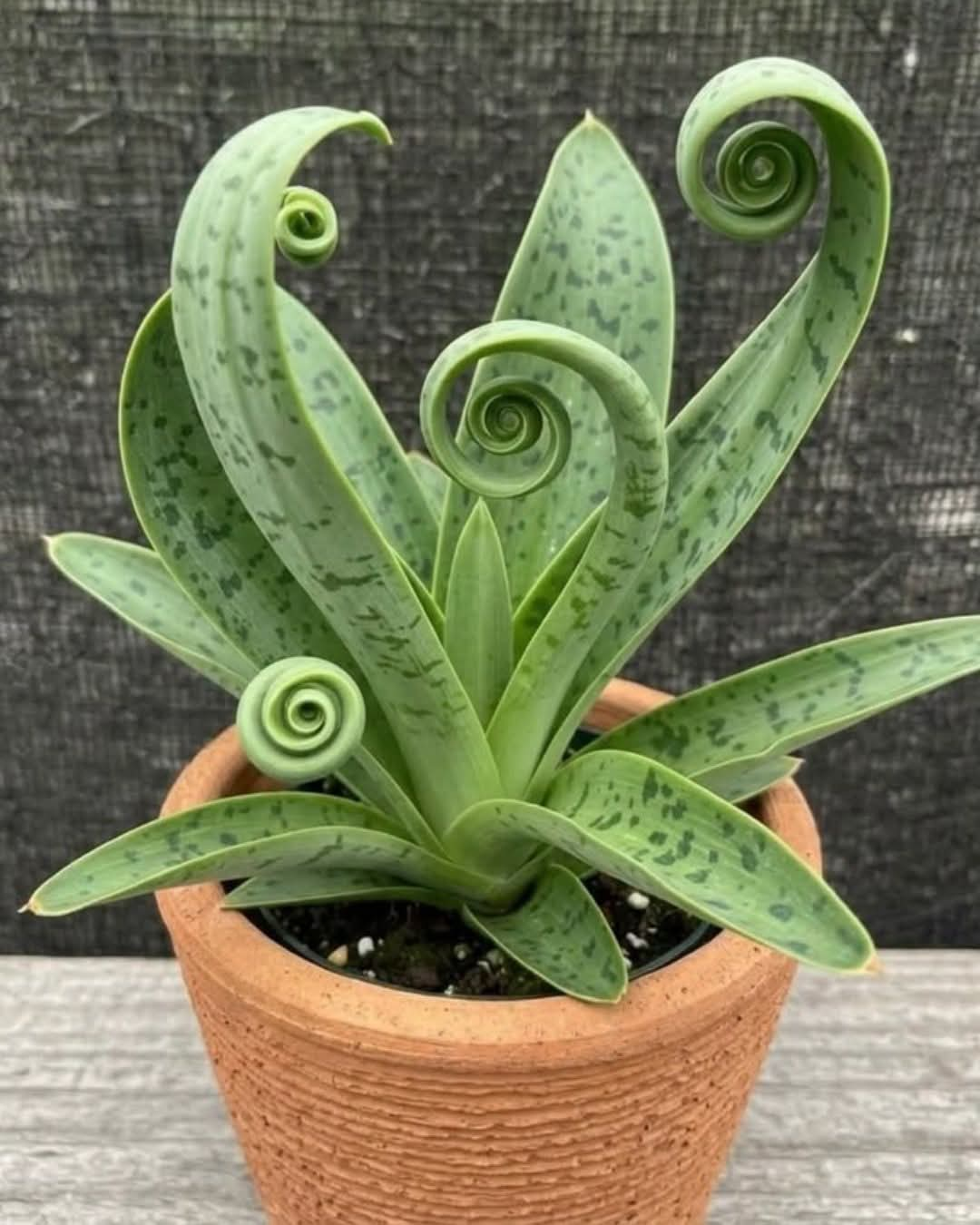
Have you ever seen a plant with leaves that curl into beautiful little spirals? This unusual succulent is a wonderful addition to any plant collection. Its distinctive green leaves, natural patterns, and fascinating shapes make it an eye-catching feature in a garden or indoor plant display.
But keeping a succulent healthy involves more than simply giving it water and sunlight. The growing medium, drainage, root condition, and general care routine all play important roles. One gardening material that often attracts attention is horticultural charcoal.
In this guide, we will explore how charcoal granules can be used in succulent growing mixtures, why gardeners sometimes add them to potting soil, and what to consider before using them.
Why This Succulent Deserves Special Attention
Succulents are popular because of their unusual shapes, attractive foliage, and ability to store water in their leaves. The plant in the picture has especially interesting curled leaf tips that create a spiral appearance.
Its decorative look makes it suitable for:
- Outdoor succulent gardens.
- Patio and balcony displays.
- Decorative terracotta pots.
- Rock gardens and succulent arrangements.
- Bright indoor spaces with suitable lighting.
Although succulents are often considered easy-care plants, they still need the right growing conditions. Poor drainage, excessive watering, and unsuitable soil can affect their roots and overall appearance.
What Are Horticultural Charcoal Granules?
Horticultural charcoal is a processed charcoal product designed for gardening applications. It is sometimes added to potting mixtures because it can contribute to the structure of the growing medium.
Gardeners may use it in:
- Succulent potting mixes.
- Orchid growing mixtures.
- Terrarium substrates.
- Some container gardening projects.
- Certain propagation and planting arrangements.
Charcoal is not a complete fertilizer. It does not provide all the nutrients a plant needs, and it should not be considered a substitute for suitable potting soil or balanced plant nutrition.
It is also important to choose charcoal specifically intended for horticultural use. Ordinary barbecue charcoal, briquettes, and charcoal products containing lighter fluid or additives should not be used as substitutes.
Why Do Gardeners Add Charcoal to Potting Soil?
The main reason gardeners experiment with horticultural charcoal is to improve the composition of certain growing mixtures.
Depending on its size, quality, and the other materials in the mixture, charcoal may contribute to the physical structure of the substrate.
Here are some reasons it is used:
1. Supporting a Suitable Growing Medium
Charcoal pieces can become one component of a carefully prepared potting mixture. The overall texture of the mixture matters because roots need both moisture and access to air.
2. Adding a Coarse Component
Larger charcoal particles may help create a more open mixture when combined with suitable materials. However, charcoal alone does not guarantee good drainage.
3. Use in Specialized Planting Mixes
Some growers include horticultural charcoal in orchid or terrarium mixtures. The appropriate amount depends on the plant, the container, and the other ingredients.
4. A Practical Gardening Material
Horticultural charcoal is available in different particle sizes, making it possible to select a product suitable for a particular growing project.
Remember that charcoal is an optional growing-medium component, not a magic ingredient for faster growth or more flowers.
How to Use Charcoal Granules for Succulents
Before adding charcoal granules to your succulent’s pot, make sure the product is clean and specifically intended for horticultural use.
A few general considerations can help:
- Choose horticultural charcoal without unwanted chemical additives.
- Check the particle size and remove excessive dust if the product instructions recommend doing so.
- Use it only as a component of a suitable succulent growing mixture.
- Combine it with a well-draining substrate rather than using it as the entire growing medium.
- Make sure the pot has drainage holes.
- Avoid placing a thick layer of material over the drainage holes in a way that interferes with water movement.
There is no single charcoal ratio that works for every succulent. The best mixture depends on the plant species, climate, pot size, watering habits, and the properties of the other materials.
Choosing the Right Soil for a Succulent
One of the most important parts of succulent care is choosing a growing medium that does not remain excessively wet.
A suitable commercial cactus and succulent mix can be a good starting point. Some growers improve the texture by adding materials such as pumice, perlite, or other appropriate mineral components.
A good growing mixture should:
- Allow excess water to drain.
- Avoid becoming compacted.
- Provide enough air around the roots.
- Hold a suitable amount of moisture without staying saturated.
- Remain stable inside the container.
Adding charcoal does not automatically correct a poorly designed soil mixture. The complete combination of materials is what matters.
Why Terracotta Pots Are Popular for Succulents
The plant shown in the picture is displayed in a terracotta pot, which is a popular choice among succulent enthusiasts.
Terracotta is porous, allowing moisture to evaporate through the sides of the pot. This can be helpful for growers who want a container that dries more readily than some plastic or glazed pots.
However, the pot must still have drainage holes. Even a terracotta container cannot protect a plant from excessive watering if water collects at the bottom.
Choose a pot that comfortably accommodates the root system without being unnecessarily large.
Watering: The Most Important Part of Succulent Care
Succulents store water in their leaves, which means they generally need less frequent watering than many tropical houseplants.
The correct watering schedule depends on temperature, light, humidity, pot material, and soil composition.
Instead of watering according to a fixed daily schedule, check the growing medium first.
A helpful routine includes:
Check the soil: Allow the growing medium to dry appropriately between waterings.
Water thoroughly when needed: When it is time to water, apply water evenly and allow excess water to escape through the drainage holes.
Empty standing water: Do not leave the pot sitting in a tray filled with water.
Adjust seasonally: Plants may use water differently during active growth and cooler periods.
Overwatering is a common problem with succulents. Consistently wet soil can reduce oxygen around the roots and contribute to root damage.
Lighting for Attractive Green Leaves
The unusual spiral shapes are part of what makes this succulent so decorative. Suitable lighting helps maintain healthy growth and attractive foliage.
Most succulents appreciate bright conditions, but the exact amount of direct sunlight depends on the species.
Consider these general guidelines:
- Provide bright light in a suitable location.
- Introduce stronger sunlight gradually.
- Avoid sudden exposure to intense midday sun.
- Rotate the pot occasionally if the plant receives uneven light.
- Observe the leaves for signs of stress.
If the plant becomes stretched or loses its compact appearance, it may not be receiving enough light. If its leaves develop signs of sun stress, the exposure may be too intense.
Does Charcoal Make Succulents Grow Faster?
This is one of the most common questions among plant lovers.
Charcoal is not a growth stimulant, and adding more of it does not automatically produce larger leaves, additional shoots, or faster growth.
Healthy development depends on several factors working together:
- Appropriate light.
- Healthy roots.
- Suitable soil structure.
- Balanced watering.
- Correct temperature.
- Appropriate nutrients when needed.
If the plant is already growing well, adding charcoal may not produce a noticeable difference. It is best viewed as an optional material for preparing a suitable growing medium.
Common Mistakes to Avoid
Even simple succulent arrangements can develop problems when the growing conditions are not suitable.
Using barbecue charcoal: Some products contain additives or chemicals that are not appropriate for plant-growing mixtures. Choose horticultural charcoal instead.
Adding too much charcoal: Charcoal is not a complete soil replacement. Use it only as an appropriate component of a balanced mixture.
Ignoring drainage: A pot without drainage holes can allow excess water to collect around the roots.
Watering too frequently: Succulents generally need the growing medium to dry between waterings.
Using an unsuitable fertilizer: Charcoal does not replace plant nutrients. If feeding is needed, choose a suitable fertilizer and follow its label instructions.
Changing everything at once: If your plant is healthy, avoid unnecessary changes to its environment and growing medium.
A Simple Succulent Care Checklist
Use this checklist to keep your plant’s growing conditions on track:
- [ ] Check that the pot has drainage holes.
- [ ] Use a suitable succulent growing mixture.
- [ ] Choose clean horticultural charcoal if it is appropriate for the mix.
- [ ] Provide suitable bright light.
- [ ] Check the soil before watering.
- [ ] Avoid leaving water in the saucer.
- [ ] Inspect the leaves and roots regularly.
- [ ] Use fertilizer only when appropriate.
- [ ] Watch for changes in the plant’s appearance.
Final Thoughts: Small Details Make a Difference 🌱
A beautiful succulent does not need complicated treatments to look attractive. Its health depends on the right balance of light, water, drainage, and suitable growing conditions.
Horticultural charcoal can be a useful optional material in certain potting mixtures, but it is not a fertilizer or a guaranteed solution for plant problems. Choose the correct product, use it appropriately, and pay attention to what your plant actually needs.
The most rewarding gardening results often come from understanding the plant rather than relying on one popular trick.
🌿 Do you use horticultural charcoal in your succulent potting mix? Share your experience in the comments!
❤️ Follow Grandma’s Garden Ideas for more succulent care tips, indoor gardening inspiration, plant-growing guides, and practical ideas for beautiful gardens.
📢 If you know someone who loves unusual succulents, share this article with them. Your likes, comments, shares, and support help our gardening community grow!
Succulent Care, Horticultural Charcoal, Charcoal for Plants, Succulent Soil Mix, Succulent Potting Mix, Spiral Succulent, Unusual Succulent Plants, Succulent Gardening Tips, Terracotta Pot Gardening, Indoor Succulent Care, Outdoor Succulent Garden, Plant Root Health, Well Draining Soil, Gardening Ideas, Houseplant Care Guide