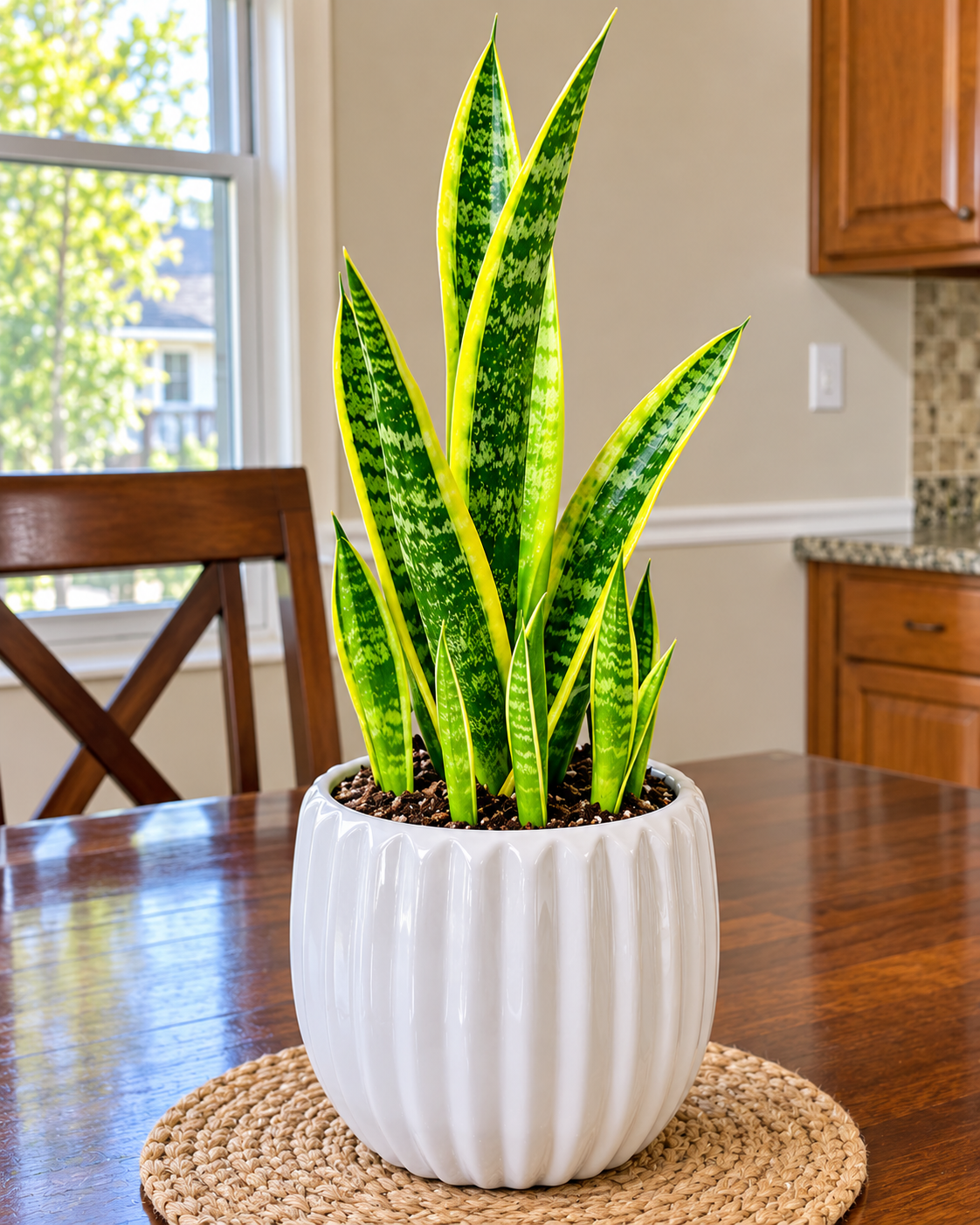
Compost Tea with Banana Peel: A Simple Homemade Garden Tonic for Healthier Plants
Have you ever wondered whether something as simple as a banana peel could become part of your garden care routine? Many gardeners are discovering creative ways to reuse everyday kitchen scraps, and banana peel compost tea is one of the popular homemade gardening ideas worth exploring.
This simple liquid preparation is often used by home gardeners as an occasional soil drench. It is easy to prepare, helps make use of kitchen waste, and can be incorporated into a broader composting routine. However, it is important to understand what it can—and cannot—do for your plants.
Whether you grow indoor houseplants, flowering plants, vegetables, or container gardens, this guide explains how to prepare banana peel compost tea, how to use it responsibly, and what to do to keep your plants healthy.
What Is Banana Peel Compost Tea?
Banana peel compost tea is a homemade liquid preparation made by soaking banana peels in water. During the soaking process, some water-soluble substances may move from the peels into the water.
Gardeners sometimes use this liquid around the soil of their plants as an occasional homemade garden tonic.
Banana peels contain potassium and smaller amounts of other nutrients. Potassium plays an important role in plant functions, including water regulation, enzyme activity, and overall plant development.
However, homemade banana peel water is not a complete fertilizer. Its nutrient concentration is unpredictable, and it should not replace a balanced fertilizer or properly prepared compost.
Why Do Gardeners Use Banana Peel Compost Tea?
There are several reasons this homemade gardening method attracts attention.
1. Reusing Kitchen Waste
Instead of immediately throwing banana peels away, you can explore ways to reuse them in your garden. This supports a more sustainable gardening routine and reduces the amount of kitchen waste sent to the trash.
2. A Source of Some Plant Nutrients
Banana peels naturally contain potassium. Some of this potassium may enter the soaking water, although the amount depends on preparation conditions.
Potassium supports important plant processes, but plants also need nitrogen, phosphorus, magnesium, calcium, and several micronutrients. Banana peel tea alone cannot supply everything a plant needs.
3. Supporting a Composting Routine
Homemade plant-care preparations can complement a garden routine that already includes healthy soil, quality compost, suitable watering, and appropriate fertilization.
The most reliable way to recycle banana peels into a useful soil amendment is to add them to a properly managed compost pile.
4. A Simple Gardening Experiment
For gardeners who enjoy learning through observation, banana peel compost tea can be an interesting experiment. You can try it on one suitable plant, observe its condition, and compare it with a plant receiving your normal care.
Remember that healthy growth depends on several factors, not one homemade preparation.
How to Make Banana Peel Compost Tea
Preparing a simple banana peel soaking solution does not require complicated equipment.
What You Need:
- Fresh banana peels
- A clean container
- Clean water
- A strainer
- A watering can
Step 1: Prepare the Peels
Rinse the banana peels to remove any visible dirt or residue. Cut them into smaller pieces so they fit easily inside your container.
Step 2: Add Water
Place the pieces in a clean container and cover them with water.
Step 3: Allow Them to Soak
Cover the container loosely and let the peels soak for a short period, such as 24–48 hours. Avoid leaving the mixture for many days, especially in warm conditions, because it can begin to ferment, smell unpleasant, or support unwanted microbial growth.
Step 4: Strain the Liquid
Remove the banana peel pieces using a strainer. Do not leave decomposing pieces sitting on the surface of indoor plant soil.
Step 5: Use It Fresh
Use the liquid promptly rather than storing it for long periods. If it smells rotten, looks moldy, or shows signs of unwanted fermentation, discard it.
How to Use Banana Peel Compost Tea on Plants
Before applying any homemade preparation to your entire collection, test it on one suitable plant.
Use a small amount around the soil rather than pouring it over the leaves or directly onto the crown of the plant.
Make sure the soil is not already waterlogged. Never use the liquid as a reason to water a plant more frequently than it needs.
For indoor plants, good drainage and appropriate watering are especially important. Many houseplants suffer more from excessive moisture and root problems than from a lack of homemade fertilizer.
If your plant is already healthy, there may be no noticeable benefit from applying banana peel tea.
Which Plants Can Be Part of Your Experiment?
Gardeners sometimes experiment with homemade banana peel preparations on:
- Peace lilies
- Pothos
- Spider plants
- Snake plants
- Flowering container plants
- Outdoor ornamental plants
- Some vegetable garden plants
But different plants have different nutritional requirements. Succulents and snake plants, for example, generally need less frequent watering and fertilization than many fast-growing flowering plants.
Always consider the needs of the individual plant before applying any liquid soil treatment.
Important Mistakes to Avoid
A homemade gardening method should never create more problems than it solves.
Do not use it as a complete fertilizer. Banana peel tea does not provide a reliable balance of essential plant nutrients.
Do not overwater. Adding extra liquid to already wet soil can contribute to root rot and other problems.
Do not leave the mixture fermenting for extended periods. Uncontrolled fermentation can produce unpleasant odors and unpredictable microbial growth.
Do not expect instant results. New leaves, stronger stems, and flowers develop over time when plants receive suitable light, water, nutrients, and growing conditions.
Do not ignore the soil. Healthy roots need an appropriate growing medium, adequate drainage, and enough oxygen.
What Really Helps Plants Grow Stronger?
If you want healthier leaves, stronger growth, and more flowers, focus on the basics:
- Provide the right amount of light for each plant species.
- Water according to soil moisture rather than a fixed daily schedule.
- Use pots with drainage holes.
- Choose a suitable potting mix.
- Feed plants with a balanced fertilizer when they need additional nutrients.
- Remove dead or damaged leaves.
- Check regularly for pests and signs of disease.
These simple habits are much more dependable than relying on one homemade liquid.
Is Banana Peel Compost Tea Worth Trying?
Banana peel compost tea can be an interesting way to reuse kitchen scraps and explore simple gardening practices. It may provide small amounts of water-soluble nutrients, but its nutritional value is not standardized or guaranteed.
For dependable long-term soil improvement, properly prepared compost and a balanced fertilizer suited to your plant are better choices.
The real secret to a beautiful garden is consistency. Give your plants the right growing conditions, pay attention to their needs, and allow them time to develop.
Final Thoughts
You do not always need complicated gardening projects to become a more resourceful gardener. Reusing kitchen scraps, learning about soil health, and observing how your plants respond can make gardening more enjoyable.
Banana peel compost tea is one small idea you can explore as part of a responsible plant-care routine. Just remember: healthy roots, suitable light, proper watering, and balanced nutrition matter far more than any single homemade trick.
Love discovering simple gardening ideas? Follow our page for more houseplant care tips, organic gardening inspiration, composting ideas, indoor plant advice, and practical ways to keep your garden looking its best. Save this guide and share it with a friend who loves plants!