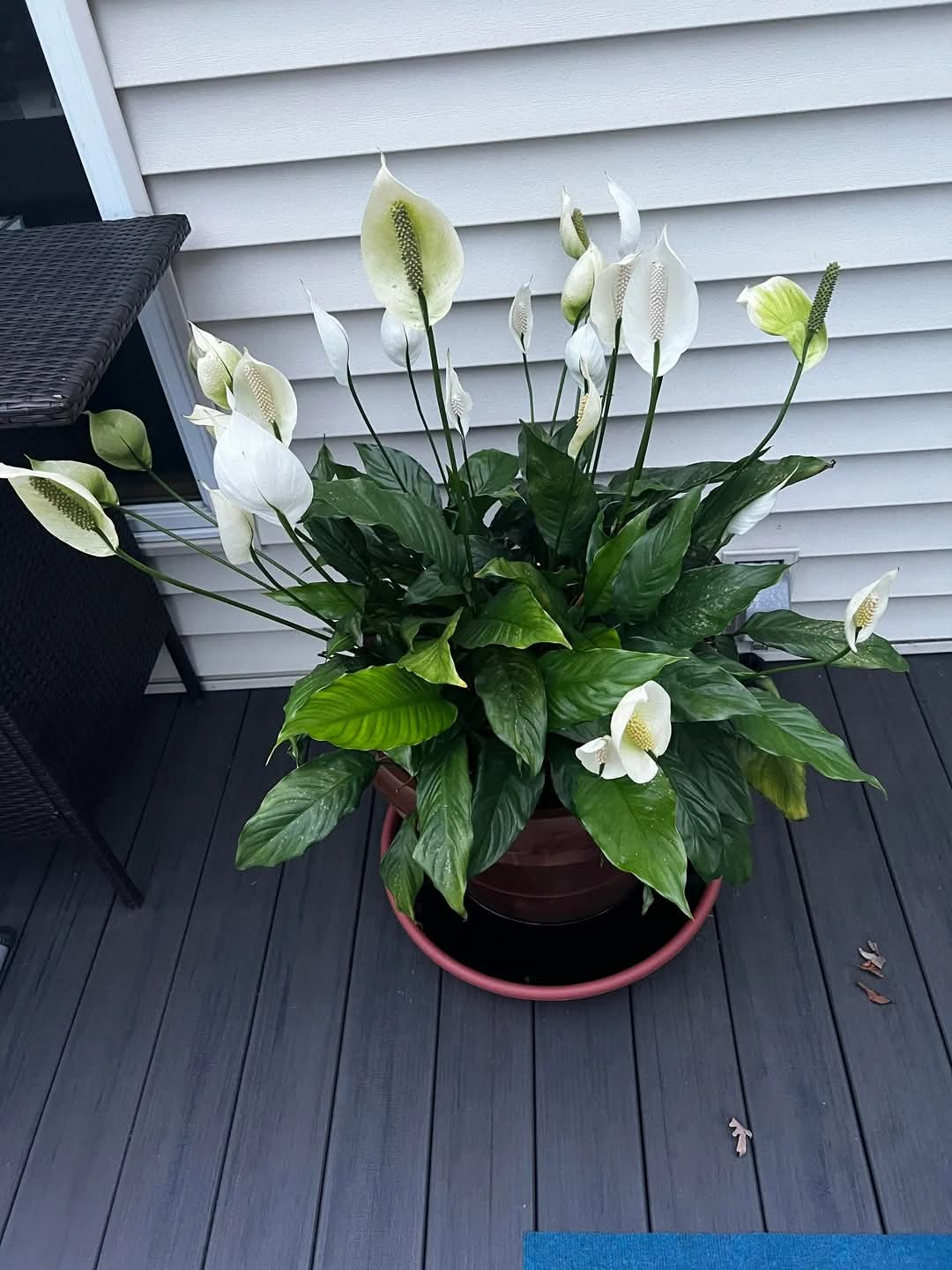
Peace Lily Care: Can a White Epsom Salt Tablet Help Your Peace Lily Grow Healthier and Produce More Flowers?
The Peace Lily (Spathiphyllum) is one of the most popular indoor plants, admired for its elegant white flowers, deep green leaves, and ability to bring a fresh, tropical atmosphere into any home. Whether displayed in a living room, bedroom, office, or bright indoor corner, this beautiful houseplant can become a stunning centerpiece when given the right care.
But what happens when plant lovers discover a white tablet labeled Epsom salt and wonder whether it could support their Peace Lily’s growth?
Some gardening enthusiasts discuss using Epsom salt as part of homemade plant-care routines because it contains magnesium and sulfur, two nutrients that plants need in small amounts. However, before adding any tablet or homemade solution to your Peace Lily’s soil, it is important to understand what Epsom salt actually does, when it may be useful, and how to avoid damaging delicate roots.
What Is Epsom Salt?
Epsom salt is the common name for magnesium sulfate, a mineral compound that supplies two essential plant nutrients: magnesium and sulfur.
Magnesium plays an important role in chlorophyll production, which allows plants to capture light energy during photosynthesis. Sulfur is also involved in several processes that help plants develop and function normally.
When a plant genuinely lacks magnesium, correcting that deficiency may help improve its overall health. However, Epsom salt is not a complete fertilizer. It does not provide all the nutrients a Peace Lily needs, including sufficient nitrogen, phosphorus, and potassium.
This distinction is especially important for indoor gardening. A healthy-looking Peace Lily needs balanced nutrition, suitable lighting, consistent moisture, and healthy roots—not simply an extra mineral treatment.
Can a White Epsom Salt Tablet Help a Peace Lily?
The idea of dissolving a white tablet in water and adding the liquid to a houseplant may sound simple, but the tablet’s formulation matters.
A tablet intended for human use may contain binders, fillers, flavorings, or other ingredients that are not designed for plants. Even if its main ingredient is magnesium sulfate, it should not automatically be treated as a gardening fertilizer.
A tablet should only be considered for plant use if its ingredients and concentration are clearly identified and it is specifically suitable for horticultural use.
Epsom salt may be helpful when a magnesium deficiency has been confirmed. It is not a guaranteed way to produce larger leaves, stronger stems, or more Peace Lily flowers.
Why Magnesium Matters for Green Leaves
One of magnesium’s most important roles is its contribution to chlorophyll, the green pigment that allows plants to use sunlight.
When magnesium is insufficient, older leaves may develop yellowing between the veins while the veins remain greener. This symptom is sometimes called interveinal chlorosis.
However, yellow leaves do not always indicate a magnesium deficiency. Overwatering, poor drainage, damaged roots, unsuitable lighting, and natural leaf aging can produce similar symptoms.
For this reason, it is better to investigate the growing conditions before adding Epsom salt or any other supplement.
The Right Way to Care for a Peace Lily
If you want your Peace Lily to maintain healthy foliage and produce beautiful white spathes, focus on these essential care practices.
1. Provide Bright, Indirect Light
Peace Lilies grow well in bright, indirect light. Place your plant near a window where it receives plenty of natural light without prolonged exposure to harsh direct sunlight.
Too much direct sunlight can scorch the leaves, causing brown patches and dry edges. Very low light may also reduce flowering.
A bright indoor location with filtered sunlight is often an excellent choice.
2. Water According to Soil Moisture
Peace Lilies enjoy evenly moist soil, but they do not tolerate constantly waterlogged roots.
Before watering, check the upper layer of the potting mix. If it feels slightly dry, water thoroughly until excess water drains through the bottom.
Never allow the plant to sit in standing water for extended periods. Empty the saucer after watering to reduce the risk of root problems.
3. Choose a Well-Draining Potting Mix
Healthy roots are essential for strong leaves and reliable growth.
Use a loose, well-draining indoor potting mix that retains some moisture without becoming compacted. A container with drainage holes is especially important.
If the soil stays wet for too long, roots may become stressed and begin to deteriorate.
4. Use Balanced Plant Fertilizer
Peace Lilies benefit from regular but moderate feeding during active growth.
Choose a balanced liquid fertilizer formulated for indoor foliage plants and follow the manufacturer’s dilution and application instructions.
Avoid combining several homemade treatments, mineral supplements, and fertilizers without understanding how they interact. More nutrients do not automatically mean better growth.
5. Maintain Suitable Indoor Temperatures
Peace Lilies prefer warm indoor conditions and should be protected from cold drafts, sudden temperature changes, and direct heating or air-conditioning airflow.
A stable environment helps the plant maintain healthy foliage and reduces unnecessary stress.
6. Keep the Leaves Clean
Dust can accumulate on broad Peace Lily leaves and make them look dull.
Gently wipe the leaves with a soft, damp cloth when needed. This simple maintenance step also gives you an opportunity to inspect the plant for pests, discoloration, and other signs of stress.
How to Think About Epsom Salt Safely
If a magnesium deficiency is suspected, first consider whether the plant’s symptoms and growing conditions support that diagnosis.
A soil test or advice from a qualified horticulture professional can help determine whether additional magnesium is actually needed.
If magnesium sulfate is appropriate, use a clearly labeled horticultural product and follow its directions carefully. Do not assume that a human-use tablet has a safe concentration for a potted plant.
Avoid applying concentrated solutions directly to the roots or repeatedly adding Epsom salt without a demonstrated need. Excess minerals can accumulate in container soil, interfere with nutrient uptake, and contribute to root stress.
Remember: Epsom salt is a targeted mineral supplement, not a universal plant tonic.
Common Peace Lily Problems and What They May Mean
Yellow leaves: These may result from overwatering, underwatering, nutrient problems, poor drainage, or natural aging.
Brown leaf tips: Low humidity, inconsistent watering, excess fertilizer, and mineral buildup may contribute.
Drooping leaves: A Peace Lily may droop when it needs water, but persistent drooping can also indicate root damage or unsuitable growing conditions.
Few or no flowers: Insufficient light, an immature plant, or unsuitable growing conditions may limit flowering.
Soft or damaged roots: Constantly wet soil and poor drainage can contribute to root rot.
Before reaching for a homemade treatment, identify the likely cause of the problem. Correcting the growing environment is often more useful than adding another ingredient to the soil.
Can Epsom Salt Make a Peace Lily Bloom More?
This is one of the most common questions among indoor plant enthusiasts.
Although magnesium is essential for normal plant functions, adding extra Epsom salt does not automatically encourage flowering. A Peace Lily needs suitable light, healthy roots, balanced nutrition, and stable growing conditions to produce flowers.
If your plant has healthy green leaves but rarely blooms, review its light conditions and overall care routine before considering mineral supplements.
A healthy plant-care routine is built on consistency, not miracle ingredients.
Final Thoughts: Healthy Roots First, Beautiful Flowers Next
A white Epsom salt tablet may attract attention in a gardening video, but it is important to understand what is inside the tablet before using it on a Peace Lily.
Magnesium sulfate can have a legitimate role in plant nutrition when a magnesium deficiency exists. Nevertheless, it is not a complete fertilizer, and ordinary tablets should not be dissolved and poured into plant soil unless they are specifically suitable for horticultural use.
For a beautiful Peace Lily with lush green leaves and elegant white flowers, prioritize bright indirect light, appropriate watering, well-draining soil, healthy roots, and balanced fertilizer.
The best indoor gardening results come from understanding what each plant needs and avoiding unnecessary treatments.
Remember: Healthy roots, balanced nutrition, proper light, and consistent care are the real foundations of a thriving Peace Lily!
Peace Lily Care, Epsom Salt for Plants, White Tablet for Plants, Magnesium Sulfate for Houseplants, Peace Lily Fertilizer, Indoor Plant Care, Peace Lily Growing Tips, How to Care for Peace Lilies, Peace Lily Yellow Leaves, Peace Lily Flowering Tips, Natural Gardening Ideas, Houseplant Nutrition, Healthy Indoor Plants, Magnesium Deficiency in Plants, Peace Lily Root Health, Indoor Gardening Tips, Tropical Houseplant Care, Peace Lily Maintenance, Plant Care Guide, Growing Peace Lilies Indoors.