The Ultimate Guide to Coffee & Compost Tea Liquid Fertilizer for Outdoor Potted Plants
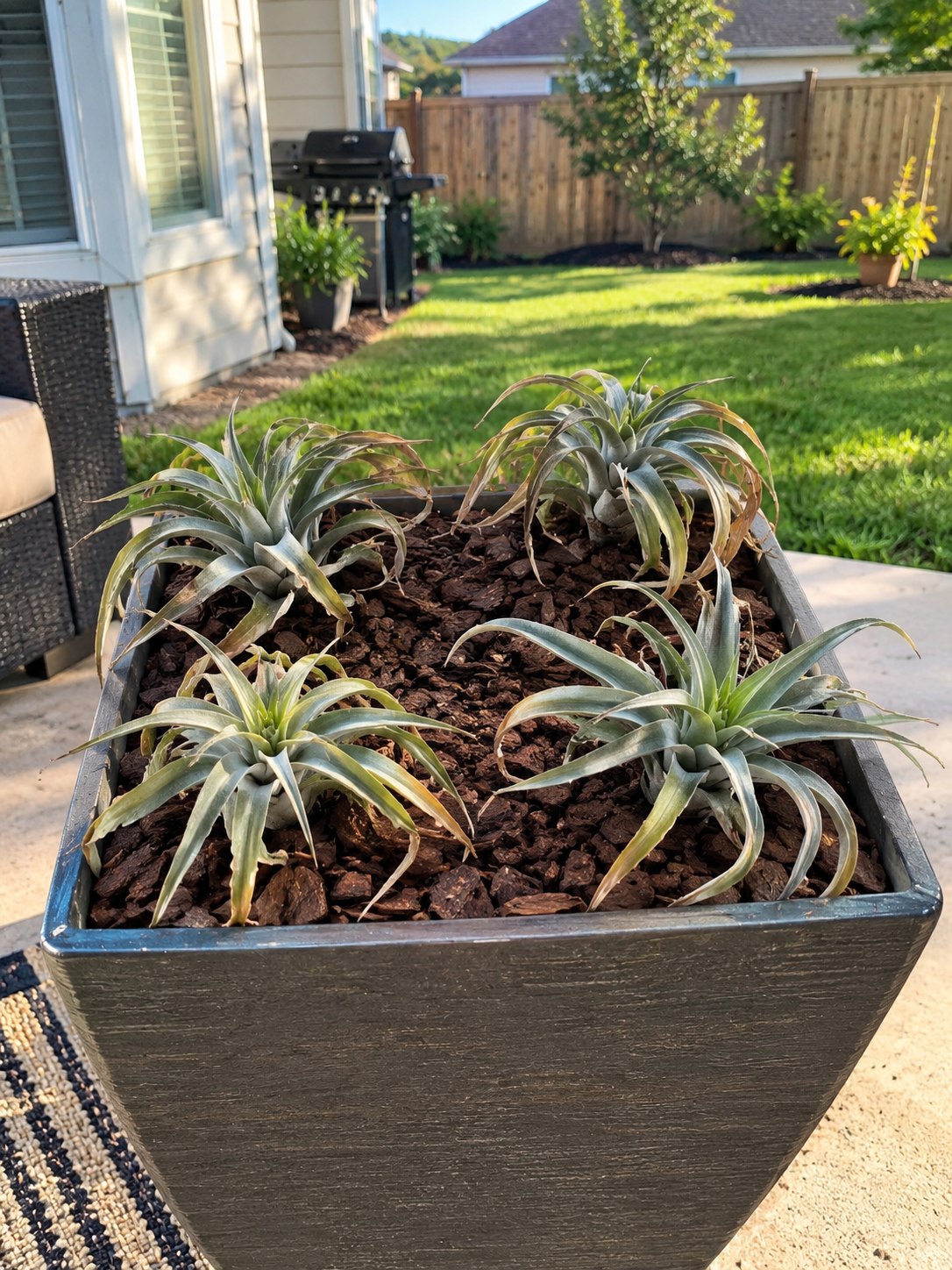
Container gardening brings life to patios, balconies, and outdoor living spaces. However, potted plants—especially foliage plants and succulents set in bark mulch or well-draining soil mixes—gradually exhaust their available soil nutrients. Traditional chemical fertilizers often cause salt accumulation and leaf tip burn. Combining nitrogen-rich spent coffee grounds with microbe-dense compost tea produces a powerful, natural brown liquid brew that restores root health and vibrant green foliage.
1. Benefits of Coffee Grounds & Compost Tea Brew
When combined, coffee tea and aerated compost tea create a synergistic liquid fertilizer tailored for potted plants and container setups:
- Nitrogen & Chlorophyll Boost: Nitrogen from coffee grounds revitalizes pale or yellowing leaves, promoting deep green foliage.
- Active Soil Microbiology: Compost tea supplies billions of beneficial bacteria and fungi that feed the rhizosphere and fight soil-borne pathogens.
- Enhanced Nutrient Availability: The mild acidity of coffee tea helps unlock essential micronutrients like iron and zinc in well-draining potting substrates.
- Zero Chemical Salt Buildup: Unlike synthetic fertilizers, this liquid blend preserves root integrity without causing leaf burn or mineral crusting.
2. DIY Recipe: How to Brew Coffee & Compost Tea Liquid Fertilizer
Follow this step-by-step method to prepare a concentrated, microbe-rich organic liquid feed at home:
Ingredients & Supplies Needed:
- 1 cup used coffee grounds (dried)
- 2 cups well-matured organic compost
- 1 gallon non-chlorinated water (rainwater or filtered water)
- 1 tablespoon unsulfured blackstrap molasses (to feed microbes)
- Fine mesh cloth or cheesecloth strainer
- Large bucket or brewing container
Step-by-Step Preparation:
- Steep the Coffee: Place 1 cup of dried spent coffee grounds in 4 cups of warm water for 24 hours to extract liquid nutrients, then strain out the solids.
- Brew the Compost Tea: Put 2 cups of rich compost into a fine mesh bag and submerge it in 1 gallon of non-chlorinated water. Add 1 tablespoon of molasses to feed beneficial organisms. Stir or aerate for 24 to 48 hours.
- Combine and Dilute: Mix 1 part of the concentrated coffee extract with 4 parts of active compost tea. Dilute with equal parts clean water until the liquid resembles a light amber-brown tea.
- Apply Immediately: Pour directly around the base of your potted plants onto moist soil or bark mulch every 2 to 3 weeks during the active growing season.
3. Comparative Organic Fertilization Guide
| Fertilizer Solution | Primary Element | Absorption Speed | Best For |
|---|---|---|---|
| Coffee & Compost Liquid Brew | Nitrogen & Beneficial Microbes | Very Fast | Container foliage, outdoor planters & potted shrubs |
| Banana Peel & Compost Tablets | Potassium & Phosphorus | Slow & Continuous | Indoor tropicals & fenestrated foliage |
| Synthetic NPK Solubles | Chemical N-P-K | Immediate | Fast boost (High risk of root burn) |
4. Seasonal Application Calendar for Potted Plants
- Spring: Apply the coffee-compost brew every 14 days to kickstart vigorous leaf expansion and root growth.
- Summer: Feed early in the morning every 2 to 3 weeks. Ensure the soil is pre-moistened before applying liquid nutrients.
- Autumn: Reduce feeding frequency to once a month as plant metabolism slows down.
- Winter: Pause application during dormant periods to prevent excess moisture buildup around roots.
5. Frequently Asked Questions (FAQ)
A: No. Spent (used) coffee grounds are near-neutral in pH (6.5 to 6.8) because most of the acidity leaches into the brewed coffee cup. Diluting the brew ensures it remains completely safe for almost all foliage plants.
A: Aerated compost tea is best used within 4 hours of brewing while the microbial population is highly active. Un-aerated coffee extract can be stored in a cool place for up to 5 days.
A: Common signs of nitrogen deficiency include pale green or yellowing lower leaves, weak stem development, and slowed growth during the spring and summer seasons.
Final Thoughts
Nourishing your outdoor potted plants doesn’t require synthetic chemicals or expensive store-bought bottles. By upcycling kitchen coffee grounds and pairing them with rich compost tea, you can create a highly effective, natural liquid feed that maintains healthy root systems and lush green foliage all season long.