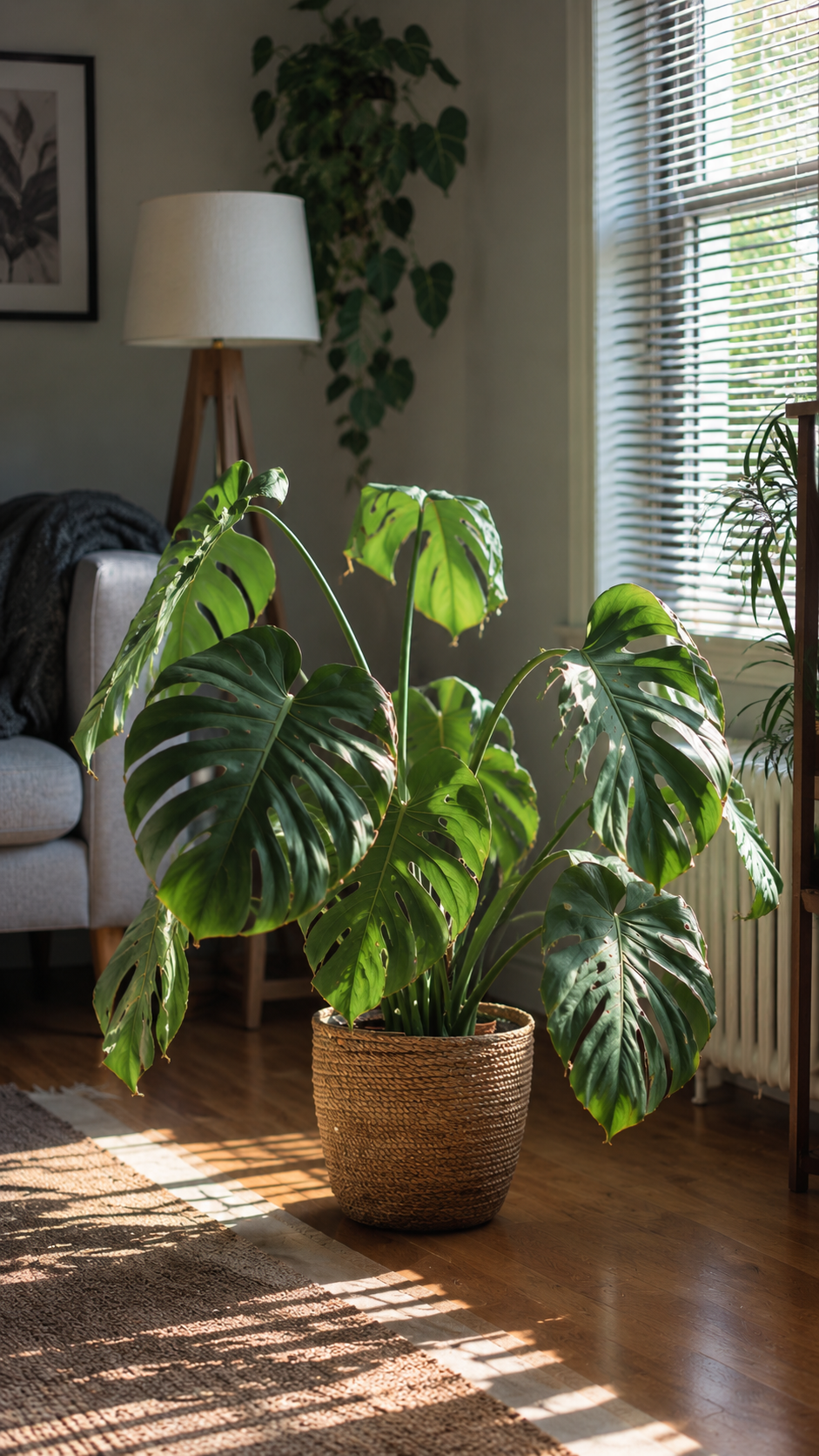
How to Make DIY Banana Peel & Compost Tea Fertilizer Tablets for Monstera Deliciosa
The Monstera Deliciosa is celebrated for its dramatic fenestrated leaves and lush tropical presence. However, supporting the massive foliage of a potted Monstera requires a consistent supply of essential nutrients. While commercial fertilizers can lead to salt buildup and root damage, homemade slow-release organic tablets offer a safe, sustainable solution that feeds both the roots and the soil microbiome over time.
1. The Science Behind Banana Peel & Compost Tea Nutrition
Monsteras are heavy feeders during their active growth phases. Using organic fertilizer tablets ensures steady nutrient delivery every time you water:
- Potassium (K): Derived from banana peels, potassium is crucial for water regulation, cell wall integrity, and thick stem support for heavy leaves.
- Beneficial Soil Microbes: Compost tea introduces active microorganisms that break down organic matter and make nutrients readily available to Monstera roots.
- Phosphorus & Trace Minerals: Supports vibrant root structures and overall stress tolerance against environmental changes.
2. DIY Recipe: Banana Peel & Compost Tea Bio-Tablets
Follow this straightforward formula to prepare custom slow-release fertilizer tablets for your indoor houseplants:
Ingredients & Supplies Required:
- 1 cup fully dried banana peel powder
- 1/2 cup concentrated brewed compost tea
- 2 tablespoons bentonite clay or diatomaceous earth (natural binder)
- Silicone ice cube or baking mold
Step-by-Step Instructions:
- Dehydrate the Peels: Dry banana peels under direct sunlight or in an oven at low temperature (200°F / 95°C) until completely brittle.
- Grind to Fine Powder: Pulse the dried peels in a blender or spice grinder until a fine meal is achieved.
- Mix the Compound: Combine the banana peel powder with the clay binder in a mixing bowl. Gradually pour in small amounts of compost tea until a stiff dough forms.
- Form and Dry Tablets: Press the dough firmly into small silicone molds to remove air pockets. Allow them to dry in a dry, ventilated area for 48 to 72 hours until solid.
3. Application & Feeding Schedule for Monstera Deliciosa
Insert 1 to 2 tablets approximately 1–2 inches beneath the topsoil layer near the perimeter of the pot (away from the main stem). As you water your Monstera, the tablet slowly breaks down and releases nutrients directly into the root zone.
4. Comparison of Fertilization Methods
| Method | Release Speed | Risk of Root Burn | Application Frequency |
|---|---|---|---|
| DIY Organic Bio-Tablets | Slow & Steady | Very Low | Every 6 to 8 weeks |
| Liquid Organic Tea | Fast | Low | Every 2 weeks (Active Season) |
| Synthetic NPK Fertilizer | Immediate | High | Once monthly (Use caution) |
5. Frequently Asked Questions (FAQ)
A: No. Because the banana peels are fully dehydrated and buried beneath the topsoil, they do not attract gnats or fruit flies.
A: For medium pots (8–10 inches), use 1 to 2 tablets. For large mature Monsteras in pots 12 inches or bigger, use 3 to 4 tablets evenly spaced around the pot perimeter.
A: Most tropical houseplants slow down growth during winter. Suspend or significantly reduce feeding during late autumn and winter until new growth appears in spring.
Final Thoughts
Providing your Monstera Deliciosa with balanced, slow-release nutrition doesn’t require expensive synthetic products. By reusing natural kitchen waste like banana peels combined with compost tea, you can make cost-effective fertilizer tablets that keep your Monstera healthy, strong, and producing beautiful fenestrated leaves year after year.